For agricultural operations dealing with silage, efficient material handling is crucial to maintain quality and operational efficiency. Pneumatic conveying systems offer a reliable solution for transporting silage from storage to processing or feeding areas. This article explores the operation process and working principle of silage material pneumatic conveying systems, highlighting the key components and steps involved in the process.
The Operation Process of Silage Material Pneumatic Conveying Systems
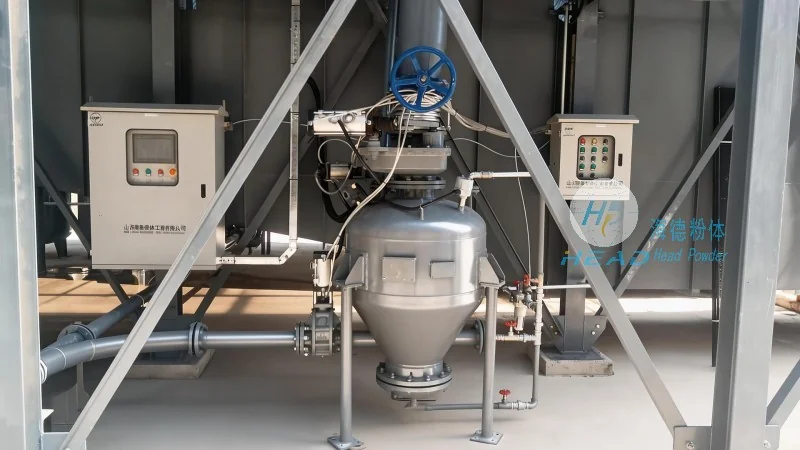
When a silage pneumatic conveying system is initiated, the operation begins with the feeding of silage material into the system. The material is typically fed from a silo or storage bin into a hopper or feeder unit. This initial step ensures a consistent flow of material into the system, which is critical for maintaining the efficiency of the entire process. The feeder unit, often equipped with a rotary valve or screw conveyor, regulates the amount of silage entering the system, preventing overloading and ensuring smooth operation.
Once the silage is fed into the system, it is introduced into the conveying pipeline. The pipeline is designed to handle the specific characteristics of silage, such as moisture content and particle size, ensuring minimal degradation during transport. The system uses a combination of positive and negative pressure zones to move the material through the pipeline. The material is then propelled by a high-velocity air stream, which is generated by a blower or fan. The air stream carries the silage particles along the pipeline, moving them from the intake point to the discharge point.
At the discharge end of the pipeline, the silage material is separated from the air stream. This separation is achieved through a cyclone separator or a filter system, which captures the silage particles and returns them to the target location, such as a silage pit or processing facility. The separated air is then either vented to the atmosphere or recirculated back into the system, depending on the design of the equipment. This step is essential for maintaining the quality of the silage and preventing contamination from the air stream.
Working Principle of Pneumatic Conveying for Silage Materials
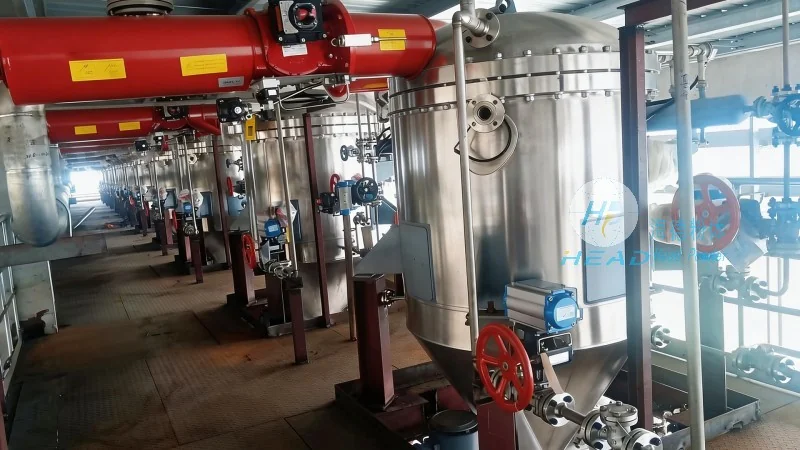
The working principle of silage material pneumatic conveying is based on the transfer of material using a pressurized air stream. The system operates by creating a pressure differential between the intake and discharge points of the pipeline. The blower or fan generates a high-pressure air flow, which is directed into the intake of the conveying system. As the air flows through the pipeline, it picks up the silage particles and transports them to the discharge point. The pressure differential ensures that the material is continuously moved through the system, maintaining a consistent flow rate.
The efficiency of the pneumatic conveying system depends on several factors, including the air velocity, pressure, and the characteristics of the silage material. The air velocity must be high enough to overcome the resistance of the material in the pipeline, but not so high as to cause excessive wear on the equipment or degrade the silage. The pressure in the system is carefully controlled to ensure that the material is conveyed at an optimal rate, minimizing energy consumption and maximizing system performance.
Key Components and Their Functions in Silage Pneumatic Conveying Systems
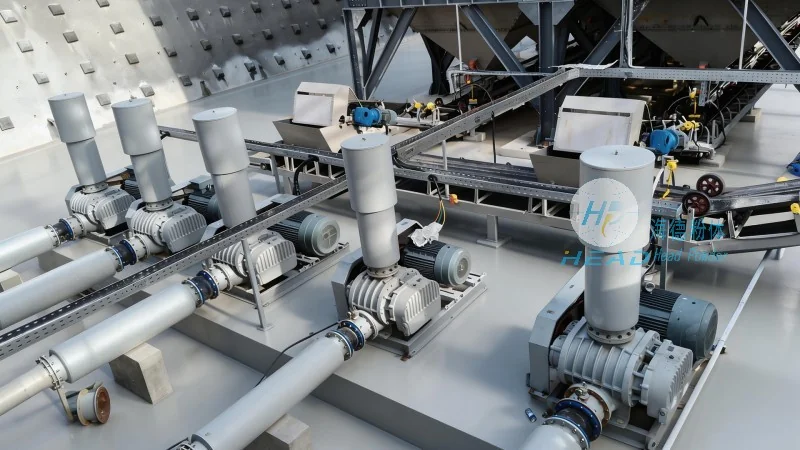
Several key components work together to ensure the smooth operation of a silage pneumatic conveying system. The feeder unit, as mentioned earlier, regulates the flow of silage into the system, preventing overloading and ensuring consistent material supply. The blower or fan provides the necessary air pressure and flow rate to move the material through the pipeline. The conveying pipeline, typically made of durable materials such as stainless steel or plastic, is designed to withstand the abrasive nature of silage and maintain airtight seals to prevent air leakage.
The cyclone separator or filter system at the discharge end is critical for separating the silage from the air stream. This component uses centrifugal force to separate the heavier silage particles from the lighter air, ensuring that the material is delivered to the target location without contamination. The system may also include a dust collection system to remove any fine particles from the air stream, improving air quality and reducing the risk of dust-related issues.
Shandong HeadPowder Engineering Co., Ltd., a leading manufacturer of pneumatic conveying systems, specializes in designing and manufacturing equipment tailored to the specific needs of agricultural operations. With years of experience in the industry, headpowder has developed advanced silage pneumatic conveying systems that offer high efficiency, low maintenance, and reliable performance. The company's systems are designed to handle a wide range of silage types and particle sizes, ensuring optimal performance in various agricultural settings. Based in Shandong, China, headpowder serves clients globally, providing customized solutions for material handling challenges in the agricultural sector.




