HeadPowder, a prominent entity in material handling solutions, focuses on the efficient transportation of nickel sulfate through pneumatic conveying systems. This article provides an in-depth look at the operational workflow and technical principles governing such systems, catering to professionals seeking reliable methods for handling nickel sulfate.
Company Information
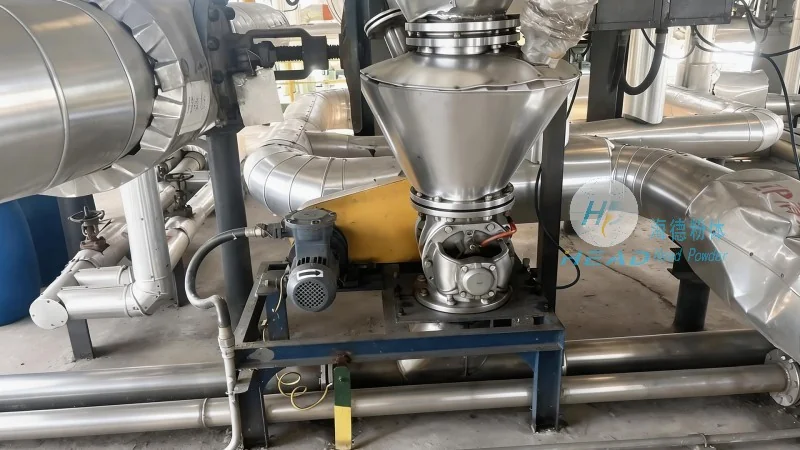
HeadPowder, operating as Shandong HeadPowder Engineering Co., Ltd., is based in Shandong, China. The company specializes in engineering and manufacturing advanced pneumatic conveying equipment, with a particular emphasis on systems designed for the transport of nickel sulfate and other chemical powders.
Working Principle of Pneumatic Conveying
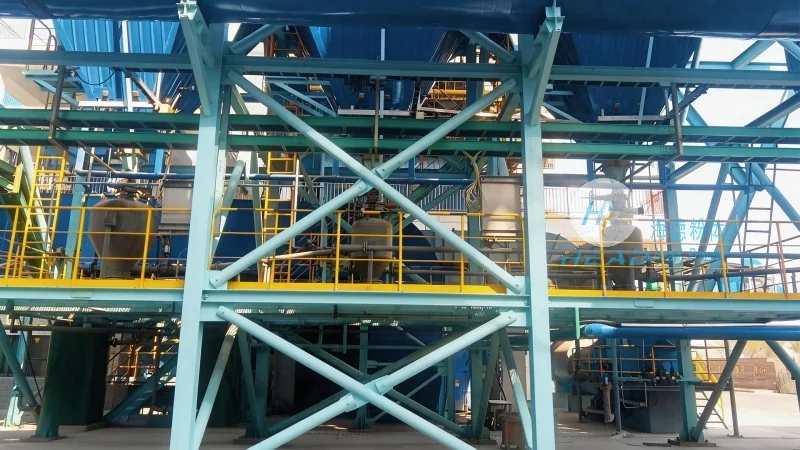
Pneumatic conveying for nickel sulfate operates on the principle of using a pressurized air stream to move material through a pipeline. This method eliminates the need for mechanical components like conveyor belts or buckets, reducing wear and tear and enhancing operational safety. The system typically includes a hopper for material storage, a conveying line, and a receiver for the deposited material. A blower or compressor generates the air pressure, which is directed into the conveying line. The nickel sulfate particles are fed into the hopper and then drawn into the line by the moving air, ensuring a continuous flow. The air velocity is maintained above the minimum required to prevent particle settling, which is crucial for maintaining system efficiency.
Operation Process of Nickel Sulfate Pneumatic Conveying
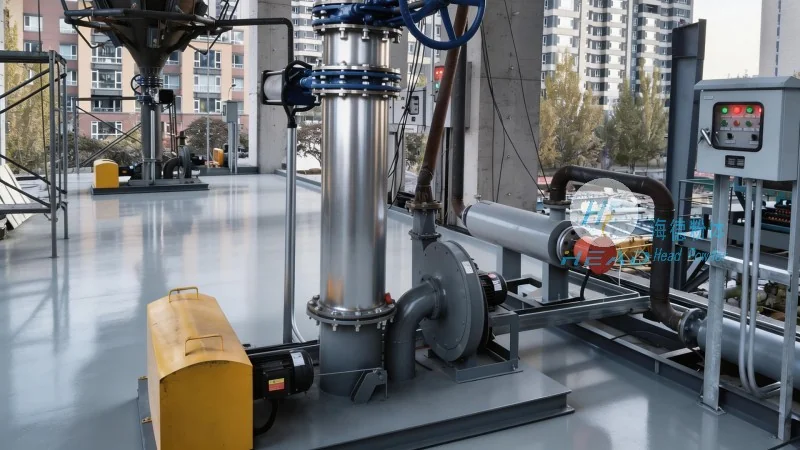
The operational process begins with the loading of nickel sulfate into the storage hopper. The material is then metered into the conveying line using a rotary valve or similar control device, which regulates the flow rate to match production demands. The air is supplied by a high-pressure blower, creating sufficient velocity to carry the particles through the pipeline. The conveying line may include bends, expansions, or other components to direct the flow, with the air velocity consistently maintained above the critical threshold to prevent deposition. Upon reaching the receiver, the material is deposited and the air is filtered and recycled back to the blower, completing the cycle. This closed-loop system ensures minimal air loss and consistent material transport.
Key Components and Their Roles
Several key components are integral to the effective operation of nickel sulfate pneumatic conveying systems. The hopper serves as the storage and feeding unit, with a discharge valve controlling the material flow. The conveying line, often made of stainless steel or other corrosion-resistant materials, is designed to withstand the abrasive nature of nickel sulfate. The blower or compressor provides the necessary air pressure and flow rate, with adjustable settings to optimize performance. The receiver collects the conveyed material and may include a dust collection system to ensure environmental compliance. Additionally, filters and cyclones are used to separate the air from the material particles, allowing the air to be recycled and reducing waste.
Advantages of Pneumatic Conveying for Nickel Sulfate
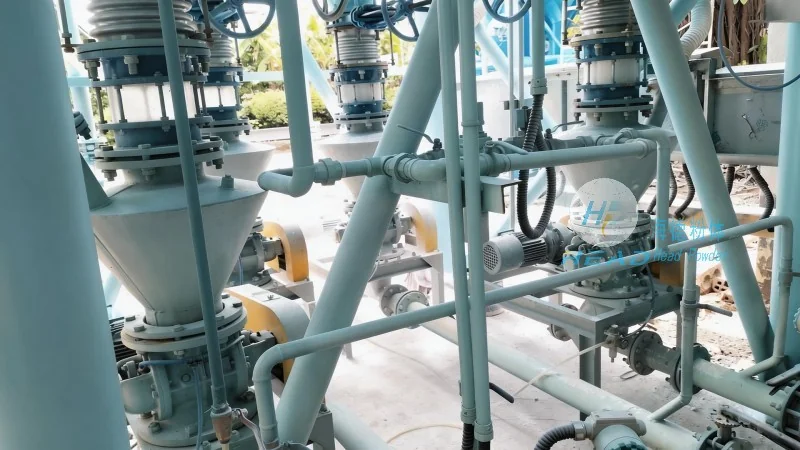
Pneumatic conveying offers several advantages over traditional mechanical methods for transporting nickel sulfate. Firstly, it eliminates the need for moving parts in the conveying line, reducing maintenance costs and downtime. Secondly, the system is highly flexible, allowing for changes in flow rate and direction without significant modifications. Thirdly, it provides better control over material handling, minimizing product contamination and ensuring consistent quality. Finally, the closed-loop design reduces energy consumption and environmental impact by recycling the air used in the process.




