HeadPowder, a leading engineering firm based in Shandong, China, specializes in the design, manufacturing, and installation of advanced pneumatic conveying systems for the lithium carbonate industry. This article provides a detailed overview of the operation process and working principle of such systems, highlighting the technical aspects and operational efficiency that define modern material handling solutions for lithium carbonate processing.
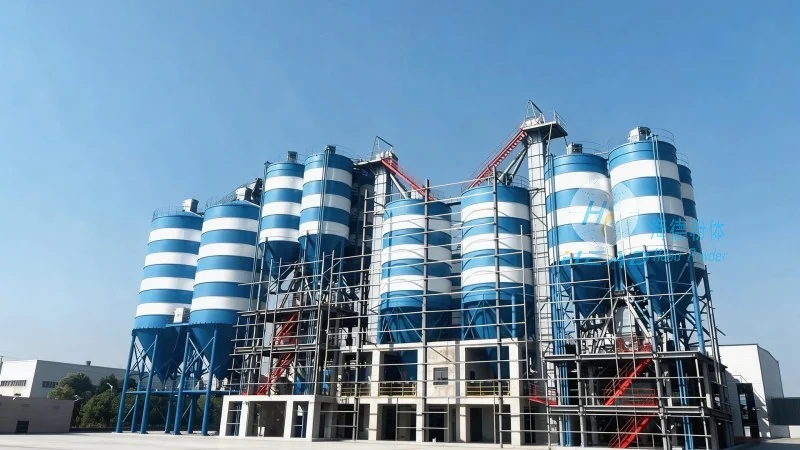
Overview of Lithium Carbonate Pneumatic Conveying Systems
Lithium carbonate, a critical raw material in the production of lithium-ion batteries and other lithium-based products, requires efficient and reliable transport methods to move it from storage to processing units. Pneumatic conveying systems offer a solution that combines high efficiency with minimal material degradation, making them ideal for handling lithium carbonate. These systems utilize air or other gases to transport the material through a network of pipes, ensuring a clean and controlled transfer process.
The Core Components of a Pneumatic Conveying System
A typical lithium carbonate pneumatic conveying system consists of several key components that work in tandem to ensure smooth operation. These include a material feeder, a conveying line (often equipped with pressure vessels or vacuum pumps), a control system, and a discharge unit. Each component plays a crucial role in maintaining the system's performance and safety.
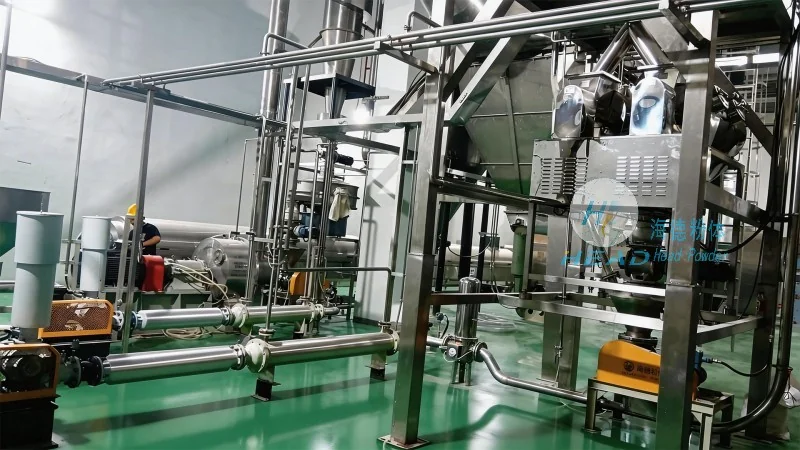
Operation Process: From Loading to Discharge
The operation of a lithium carbonate pneumatic conveying system involves several sequential steps that ensure the material is transported safely and efficiently. The process begins with the loading of lithium carbonate into the hopper or feeder. The feeder then regulates the flow of material into the conveying line, where it is mixed with air or gas under controlled pressure. The mixture travels through the pipeline to the discharge point, where the material is separated from the air and collected in the receiving vessel. The control system monitors and adjusts the pressure, flow rate, and other parameters to maintain optimal performance throughout the process.
Working Principle: How Pneumatic Conveying Transports Lithium Carbonate
The working principle of a pneumatic conveying system relies on the fundamental physics of fluid dynamics. In a pressure system, air is compressed and forced through the pipeline, creating a positive pressure that pushes the material forward. The material is suspended in the air stream, allowing it to move through the system without direct contact with the pipe walls. In a vacuum system, the opposite occurs: a vacuum pump creates a negative pressure that draws the material into the pipeline, where it is carried by the air flow. For lithium carbonate, a pressure system is commonly used due to its ability to handle larger quantities and maintain consistent material flow.
Key Advantages of Pneumatic Conveying for Lithium Carbonate
Implementing a pneumatic conveying system for lithium carbonate offers numerous advantages over traditional methods such as belt conveyors or bucket elevators. These advantages include reduced material degradation, lower labor costs, improved safety (as there is no direct human contact with the material), and enhanced process control. The system also minimizes dust generation, which is crucial for maintaining a clean and safe working environment in lithium processing facilities.
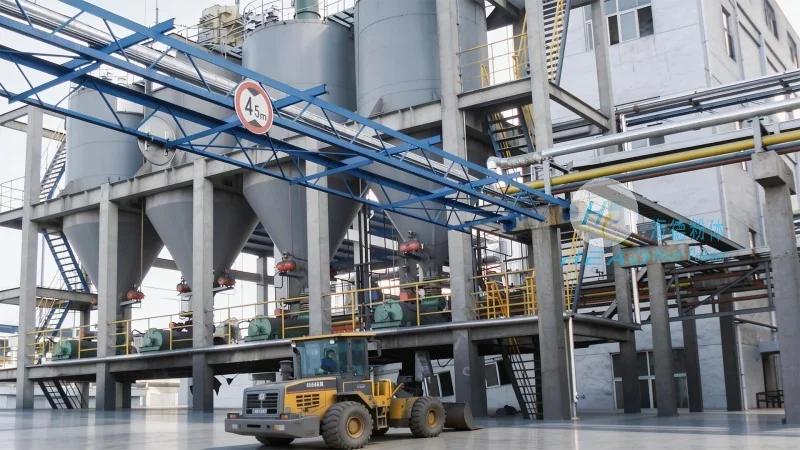
HeadPowder's Expertise in Pneumatic Conveying Solutions
As a leading provider of engineering solutions, HeadPowder has extensive experience in designing and implementing pneumatic conveying systems tailored to the specific needs of the lithium carbonate industry. Our team of experts works closely with clients to understand their operational requirements and develop customized solutions that optimize material handling efficiency. With a focus on quality and reliability, HeadPowder ensures that each system is built to meet the highest industry standards, providing long-term performance and minimal maintenance.
Conclusion: The Future of Lithium Carbonate Handling
Pneumatic conveying systems represent a significant advancement in the handling of lithium carbonate, offering a efficient, safe, and cost-effective solution for modern processing facilities. By leveraging the expertise of companies like HeadPowder, manufacturers can enhance their operational efficiency and ensure the reliable transport of this critical material. As the demand for lithium continues to grow, the importance of advanced material handling systems like pneumatic conveying will only increase, making it a key component of the lithium industry's supply chain.




