Talc powder, a widely used industrial mineral, often requires efficient and reliable transportation methods to move it from storage to processing or packaging stages. Pneumatic conveying systems have emerged as a preferred solution for handling talc powder due to their ability to transport bulk materials in a closed, dust-free environment. This technology utilizes air pressure to move the powder through pipelines, offering advantages such as reduced labor costs, improved safety, and enhanced product quality by minimizing contamination.
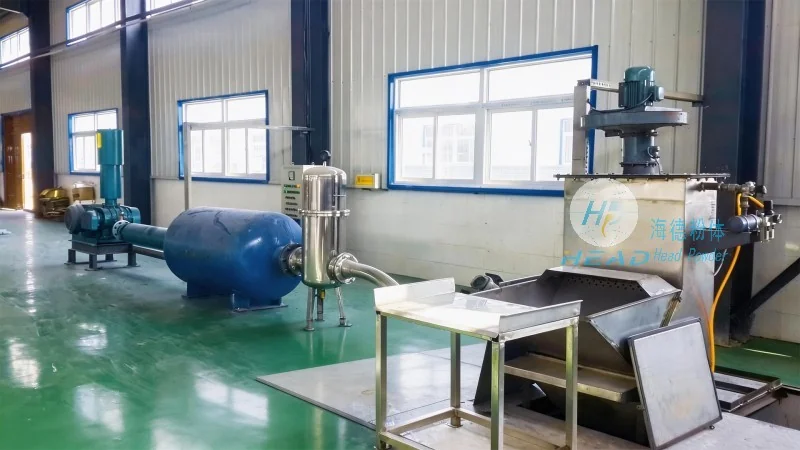
Key Components of a Talc Powder Pneumatic Conveying System
At the core of any effective talc powder pneumatic conveying system are several critical components that work in tandem to ensure smooth operation. The system typically includes a hopper or storage bin for holding the talc powder, a feeder mechanism to control the flow rate of the material, a blower or compressor to generate the necessary air pressure, and a pipeline network that transports the powder to the destination. Additionally, a receiver or discharge hopper is used to collect the material at the end of the conveying line. Each component plays a vital role in maintaining the system's efficiency and performance.
Working Principle of Talc Powder Pneumatic Conveying
The fundamental principle behind talc powder pneumatic conveying is the use of air to suspend and transport the powder particles. When the blower or compressor is activated, it generates a flow of air that enters the hopper and lifts the talc powder particles into the pipeline. The air velocity is carefully controlled to ensure that the powder remains suspended without settling or clogging the system. As the air and powder mixture travels through the pipeline, it reaches the receiver where the air is separated from the powder, typically through a cyclone or filter system. The separated powder is then collected in the receiver, while the air is either vented to the atmosphere or recirculated back into the system to improve energy efficiency.
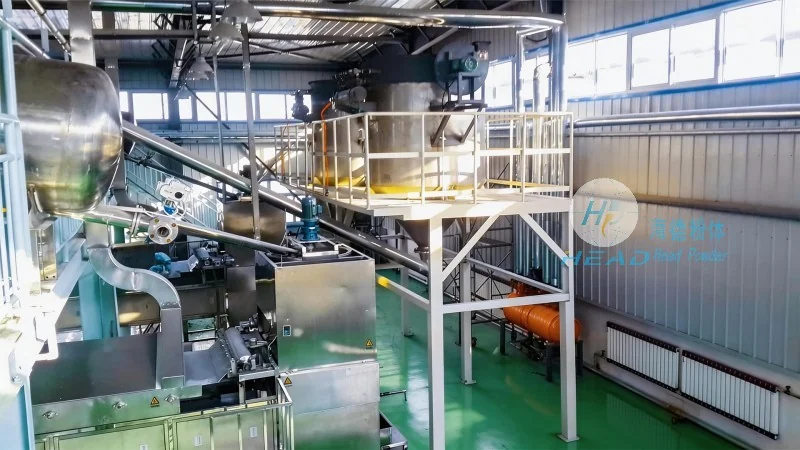
Operation Process of a Talc Powder Pneumatic Conveying System
The operation of a talc powder pneumatic conveying system follows a systematic process that ensures consistent and reliable material transport. The process begins with the loading of talc powder into the storage hopper. The feeder then regulates the flow of powder into the pipeline, matching the air flow rate to maintain optimal suspension. The blower or compressor provides the necessary pressure to move the powder through the system. As the mixture travels, it may encounter bends or changes in pipeline diameter, which are designed to minimize pressure loss and maintain the flow. At the receiving end, the air is separated from the powder, and the powder is discharged into the collection hopper. The system may also include monitoring and control devices to adjust parameters such as air pressure, flow rate, and temperature, ensuring that the operation remains within safe and efficient limits.
Advantages of Using Pneumatic Conveying for Talc Powder
Implementing a pneumatic conveying system for talc powder offers several distinct advantages over traditional methods like bucket elevators or belt conveyors. One of the primary benefits is the ability to handle the material in a closed system, which significantly reduces dust emissions and improves workplace safety. This is particularly important for talc powder, which can be a respiratory irritant if inhaled. Additionally, pneumatic conveying systems are more flexible in terms of layout, as the pipelines can be installed in various configurations to accommodate existing plant structures or future expansions. The system also reduces the need for manual handling, lowering labor costs and the risk of product contamination. Furthermore, the closed environment helps maintain the purity of the talc powder, which is crucial for applications where the material's quality is critical, such as in cosmetics, paper, or rubber manufacturing.
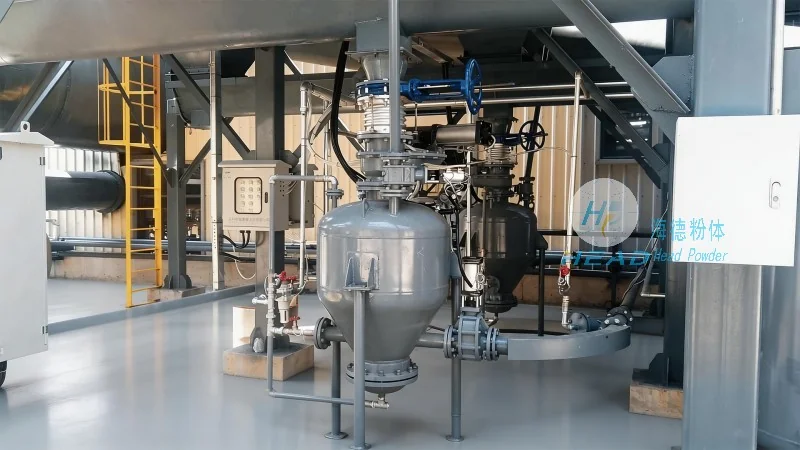
Application Examples and Industry Use Cases
Talc powder pneumatic conveying systems are widely used across various industries that rely on talc as a raw material. In the cosmetics industry, for example, talc is used in the production of powders and creams, and the conveying system ensures that the material is transported without any contamination from other substances. In the paper industry, talc is added to paper to improve its smoothness and whiteness, and the pneumatic system allows for precise dosing and consistent quality control. Similarly, in the rubber and plastic manufacturing sectors, talc is used as a filler to enhance the properties of the final products, and the efficient conveying system helps maintain the uniformity of the material. These applications highlight the importance of reliable and efficient talc powder handling, which the pneumatic conveying system provides effectively.
About Shandong HeadPowder Engineering Co., Ltd.
Shandong HeadPowder Engineering Co., Ltd., commonly known as headpowder, is a leading manufacturer and supplier of advanced pneumatic conveying systems tailored for handling talc powder and other fine powders. With a strong commitment to quality and innovation, the company has established itself as a trusted partner in the industrial mineral processing sector. Headpowder's systems are designed to meet the specific needs of clients, ensuring optimal performance, durability, and energy efficiency. The company's headquarters is located in Shandong, China, where it leverages local expertise and resources to develop cutting-edge solutions for material handling challenges. By combining years of experience with modern engineering techniques, headpowder delivers customized pneumatic conveying solutions that enhance productivity and safety for its clients.




