Multi-hopper pneumatic conveying equipment serves as a pivotal component in modern material handling systems, enabling efficient bulk material transport over extended distances. This technology is widely adopted across industries such as chemical, food, and pharmaceuticals due to its adaptability and ability to handle diverse materials. A thorough understanding of its operational workflow and underlying principles is essential for optimizing performance and ensuring safe, reliable operation.
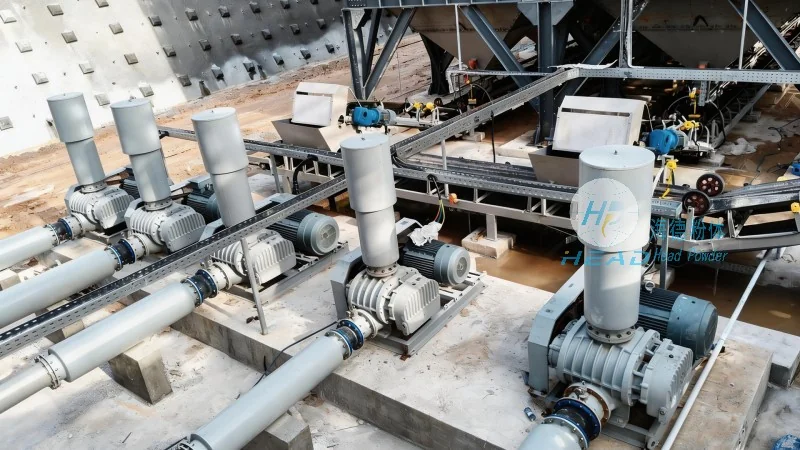
Company Profile: HeadPowder
HeadPowder, a leading manufacturer in the material handling sector, specializes in the design, production, and supply of advanced conveying solutions. With a strong commitment to quality innovation, the company has built a reputation as a trusted partner for businesses seeking efficient and durable material transport systems. HeadPowder's products are engineered to meet stringent industry standards, ensuring longevity and consistent performance in demanding environments.
System Overview: Multi-Hopper Pneumatic Conveying
The multi-hopper pneumatic conveying system comprises multiple material hoppers, a conveying pipeline network, and a control system. Each hopper is tailored to store a specific material type, allowing for simultaneous or sequential transport of different substances. The system leverages compressed air to generate a flow that moves material from the hoppers to the destination point, such as a silo or processing unit. This setup offers flexibility in handling various bulk materials, including powders, granules, and bulk solids.
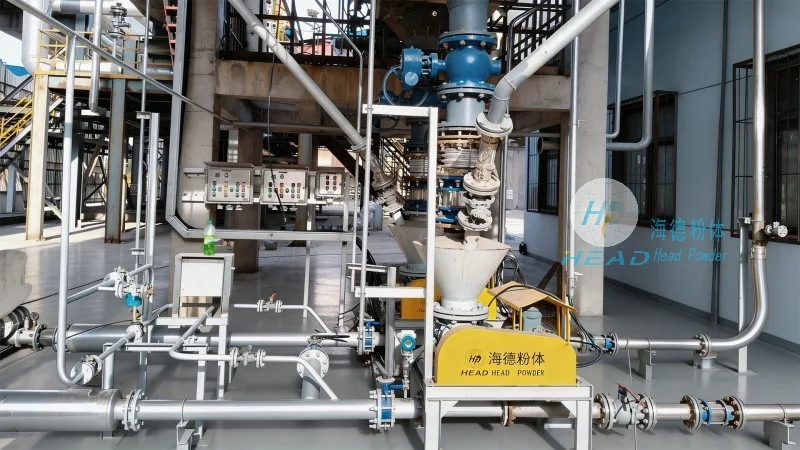
Key Components and Their Functions
Several critical components constitute the multi-hopper pneumatic conveying equipment. These include material hoppers (storage vessels), an air supply system (providing pressure and flow), a conveying pipeline (transport medium), and control valves/sensors (regulating operation). Each component operates in tandem to ensure smooth, controlled material transport. The hoppers are designed to prevent material degradation, while the pipeline layout minimizes pressure losses and potential blockages.
Operation Process: Step-by-Step
The operation of a multi-hopper pneumatic conveying system typically follows a structured sequence. First, material is loaded into the designated hopper. The control system then activates the air supply, creating a pressure differential that initiates material flow. Compressed air travels through the pipeline, entraining material particles to form a dense phase flow. The mixture is transported to the target location, where it is discharged and collected. The system can operate in continuous or batch modes, adapting to varying application requirements.
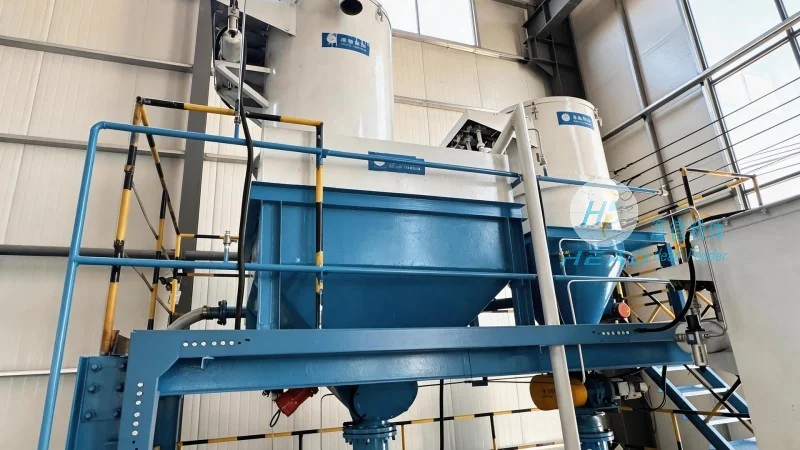
Working Principle: Pneumatic Transport Mechanics
The working principle of the multi-hopper pneumatic conveying equipment is rooted in pneumatic transport fundamentals. Compressed air is introduced into the conveying pipeline, generating a high-velocity flow that carries material particles. The air provides the necessary force to move the material, while the pipeline design optimizes flow dynamics. The system may utilize positive pressure, negative pressure, or a hybrid approach, depending on the material and application. The hoppers and pipeline configuration are critical to preventing material degradation and ensuring efficient transport.
Advantages of Multi-Hopper Systems
Multi-hopper pneumatic conveying systems offer several advantages over traditional conveying methods. These include the ability to handle a wide range of materials, including sensitive or hygienic substances. The system is flexible, allowing for simultaneous or sequential transport of different materials. It also reduces material contamination and dust exposure, making it suitable for food and pharmaceutical applications. Additionally, the equipment is compact and can be easily integrated into existing facilities, minimizing space requirements.
Industrial Applications
The multi-hopper pneumatic conveying equipment is widely utilized across various industries. In the chemical sector, it transports raw materials and finished products. The food industry employs it to handle ingredients and products, ensuring hygiene and safety. The pharmaceutical industry benefits from its ability to transport sensitive materials without contamination. Other applications include the agricultural and construction sectors, where bulk materials like grains, cement, and sand are transported efficiently and reliably.
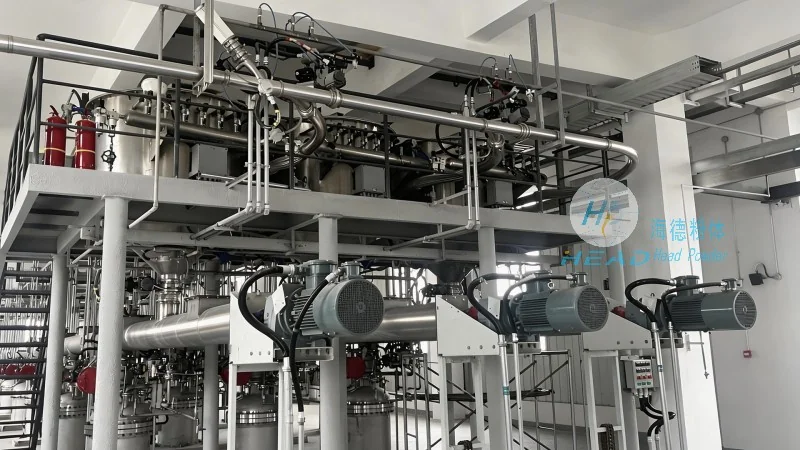
Maintenance and Safety Protocols
Proper maintenance and safety measures are essential for the optimal performance and longevity of the multi-hopper pneumatic conveying equipment. Regular inspection of hoppers, pipelines, and air supply systems is required to detect blockages or leaks. The control system should be checked regularly to ensure proper functionality. Safety features such as pressure relief valves and emergency shut-off valves are critical to prevent accidents and protect operators. HeadPowder provides comprehensive maintenance services and operator training to support effective equipment upkeep.
Conclusion
Multi-hopper pneumatic conveying equipment is a highly efficient and versatile solution for material handling in diverse industries. Understanding its operation process and working principle is crucial for maximizing benefits and ensuring safe operation. With expertise from companies like HeadPowder, businesses can achieve reliable, cost-effective material transport, enhancing overall productivity and operational efficiency in their processes.




