HeadPowder, a reputable engineering company headquartered in Shandong, China, specializes in the development and manufacturing of advanced pneumatic conveying systems for bulk material handling. The tonne bag packing pneumatic conveying equipment is a critical piece of industrial machinery designed to efficiently transport bulk materials, such as powders and granules, from storage facilities to processing units or packaging lines. This equipment integrates multiple functional components, including material feeding mechanisms, air compression units, and pneumatic conveyor lines, to ensure seamless and reliable material flow in various industrial applications. The system is engineered to meet the demands of modern manufacturing processes, offering high efficiency, low maintenance, and enhanced safety features.
Key Components and Their Functional Roles
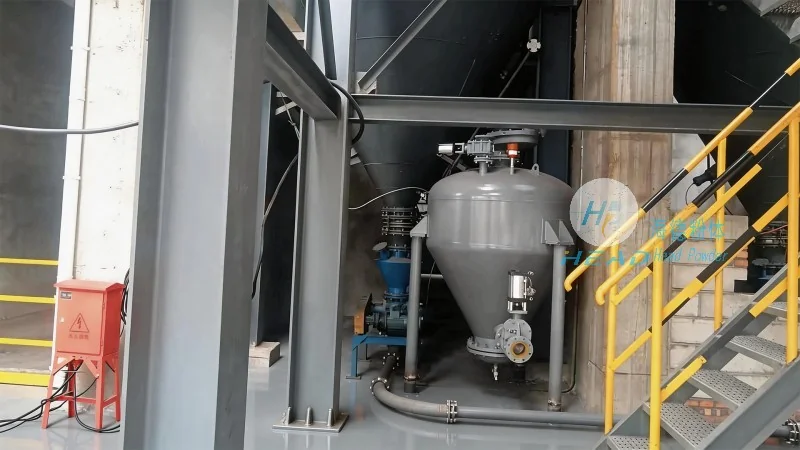
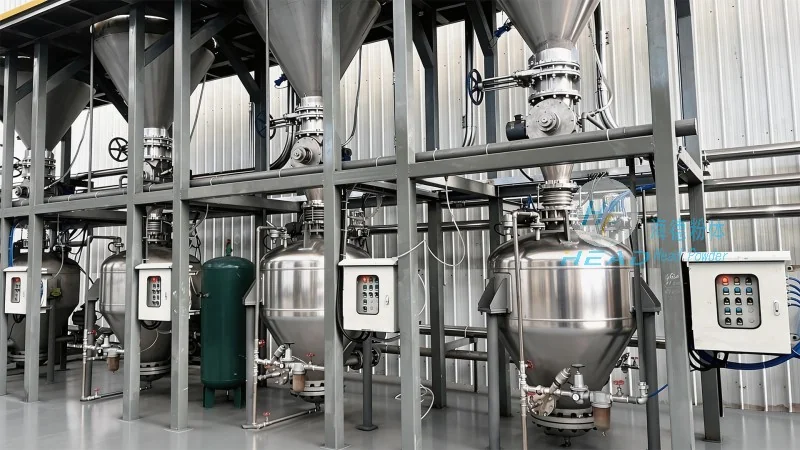
The tonne bag packing pneumatic conveying system comprises several essential components that work in concert to achieve effective material handling. The primary components include the material hopper, air compressor, pneumatic conveyor line, discharge valve, and filtration system. The material hopper serves as the storage container for bulk materials, featuring a loading port for easy material introduction and a discharge outlet connected to the conveyor line. The air compressor is responsible for generating the necessary air pressure to create a flow of air within the system. It can be a rotary screw compressor or a piston compressor, depending on the system requirements, and is designed to maintain consistent pressure levels. The pneumatic conveyor line, typically made of flexible PVC or rigid metal tubing, transports the material through the system. The line may include bends, elbows, and other fittings to navigate the path from the hopper to the discharge point. The discharge valve, often a control valve or a rotary valve, regulates the release of material from the conveyor line to the target destination. The filtration system, including a cyclone separator or a bag filter, removes air contaminants and ensures environmental compliance by preventing dust emissions.
Operation Process: Step-by-Step Execution
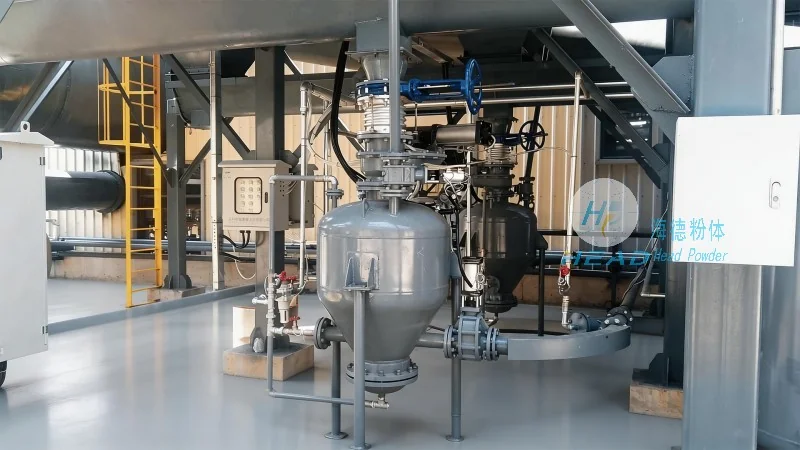
The operation of the tonne bag packing pneumatic conveying equipment follows a systematic sequence to ensure optimal performance and material handling efficiency. The process begins with the loading of bulk material into the material hopper. The hopper is filled to the appropriate level, ensuring that the material is properly contained and ready for transport. Once the hopper is loaded, the air compressor is activated, generating the required air pressure. The compressor starts by drawing in ambient air and compressing it to a specific pressure level, typically ranging from 4 to 10 bar, depending on the system design and material properties. The compressed air is then introduced into the conveyor line, creating a low-pressure or high-pressure air stream. The air flow entrains the material particles from the hopper and transports them along the conveyor line. As the material travels through the line, it is carried by the air current, moving towards the discharge point. The discharge valve is then opened, allowing the material to be released into the target container or processing equipment. The system may also include a control panel that monitors and adjusts the air pressure, flow rate, and material feed rate to maintain consistent performance. The entire process is automated, reducing the need for manual intervention and minimizing the risk of material spillage or air leaks.
Working Principle: The Physics Behind the System
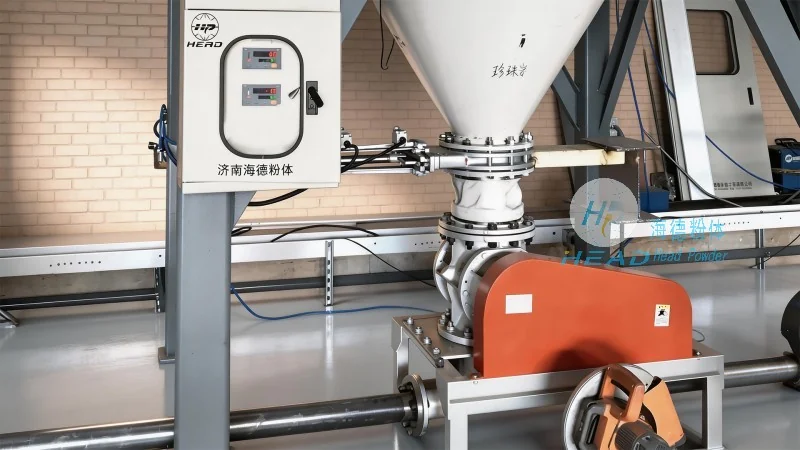
The working principle of the tonne bag packing pneumatic conveying equipment is based on the fundamental principles of fluid dynamics and particle transport. The system operates by creating a pressure differential between the inlet and outlet of the conveyor line. The air compressor maintains a higher pressure at the inlet, while the outlet is at a lower pressure (or atmospheric pressure). This pressure difference generates a flow of air through the system, which entrains the material particles and moves them along the conveyor line. The efficiency of the system depends on several key factors, including the air velocity, material characteristics (such as particle size, density, and moisture content), and the system configuration (e.g., pressure type, line length, and number of bends). The air velocity must be sufficient to lift and transport the material particles without causing excessive wear on the conveyor line or components. The material properties, such as particle size and density, affect the required air pressure and flow rate. For example, larger or denser particles may require higher air pressure to ensure proper transport. The system design, including the length of the conveyor line and the number of bends, also impacts the overall efficiency and performance. Proper design and maintenance of the components are crucial to ensure consistent operation and minimize operational issues, such as blockages or air leaks.




