Alumina crystal, a critical material in various industrial applications, requires efficient and reliable transportation systems to ensure smooth production workflows. The pneumatic conveying equipment designed for alumina crystals by Shandong HeadPowder Engineering Co., Ltd. addresses these needs through a sophisticated combination of mechanical and pneumatic principles. This equipment is engineered to handle the unique properties of alumina crystals, such as their high density and abrasive nature, while maintaining operational efficiency and safety standards.
Key Components and Their Functions
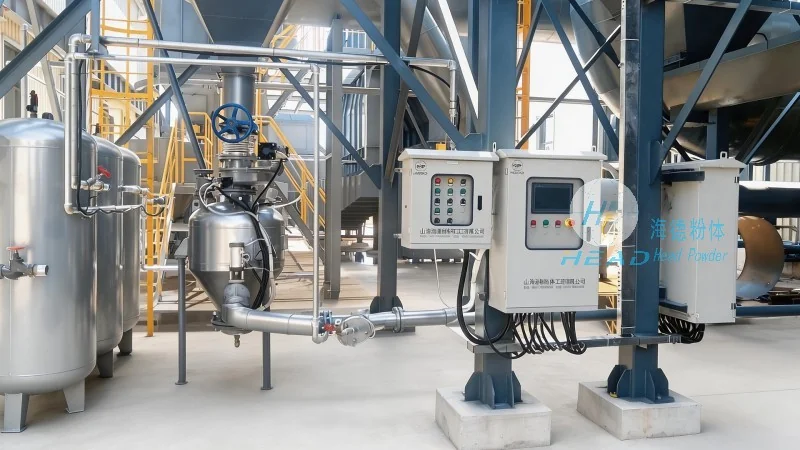
The alumina crystal pneumatic conveying system consists of several key components that work in tandem to facilitate the transport process. These include the hopper for material storage, the air compressor that generates the necessary pressure for conveying, the pipeline system that transports the material, and the control unit that regulates the entire operation. Each component plays a crucial role in ensuring the system operates optimally. The hopper is designed with a specific geometry to minimize material bridging and ensure consistent material flow. The air compressor, typically a high-pressure model, provides the force needed to move the alumina crystals through the pipeline. The pipeline system is constructed from durable materials, such as stainless steel, to withstand the abrasive nature of the crystals and prevent wear and tear. The control unit allows operators to monitor and adjust the system parameters in real-time, ensuring precise control over the conveying process.
Operation Process of the Pneumatic Conveying System
The operation of the alumina crystal pneumatic conveying equipment follows a systematic process that begins with material loading into the hopper. Once the hopper is filled, the air compressor is activated, generating a flow of air that creates a negative pressure in the pipeline. This negative pressure draws the alumina crystals from the hopper into the pipeline. As the crystals move through the pipeline, they are propelled by the air flow, which maintains their velocity and prevents settling. The system is designed to handle both dilute and dense phase conveying, allowing flexibility in material transport based on the specific requirements of the application. The control unit continuously monitors the pressure and flow rates, adjusting the air compressor output as needed to maintain optimal conveying conditions. This dynamic control ensures that the alumina crystals are transported efficiently and without damage, minimizing the risk of material degradation or system blockages.
Working Principle: How the Equipment Transports Alumina Crystals
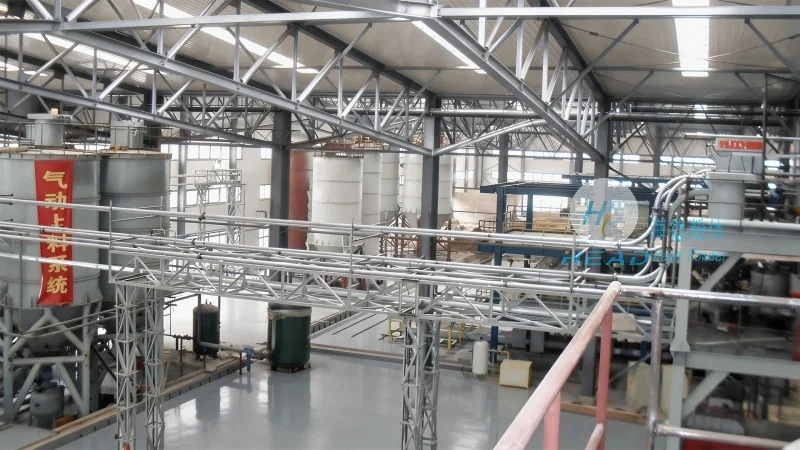
The working principle of the alumina crystal pneumatic conveying equipment is based on the fundamental principles of fluid dynamics and particle transport. The system operates by creating a pressure differential between the hopper and the discharge point. The air compressor generates a high-pressure air stream that enters the pipeline, creating a flow that moves the alumina crystals. In dilute phase conveying, the crystals are suspended in the air stream and transported as a fine mist, while in dense phase conveying, the crystals are transported in a slurry-like state, with higher material concentration. The key to the system's effectiveness is the balance between air velocity and material flow rate. If the air velocity is too low, the crystals may settle and cause blockages, while if it is too high, the crystals may be damaged or the system may become inefficient. The control unit in the system continuously adjusts these parameters to maintain the optimal balance, ensuring smooth and reliable transport of the alumina crystals.
Advantages of Using Pneumatic Conveying for Alumina Crystals
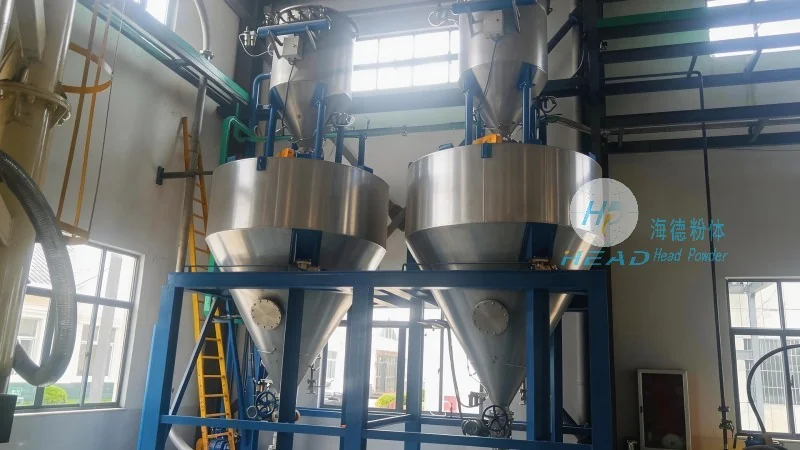
Compared to traditional conveyor systems, the pneumatic conveying equipment offers several advantages for transporting alumina crystals. One of the primary benefits is the ability to handle abrasive materials without causing excessive wear on the system components. The stainless steel construction of the pipeline and other parts ensures long-term durability and minimal maintenance. Additionally, the system is designed to be compact and space-efficient, making it suitable for installations in limited spaces. The control unit provides real-time monitoring and adjustment capabilities, allowing operators to quickly respond to any changes in the system or material conditions. This flexibility enhances operational efficiency and reduces downtime. Furthermore, the pneumatic conveying system is capable of transporting alumina crystals over long distances without the need for multiple transfer points, simplifying the overall material handling process.
Application Scenarios and Industry Use Cases
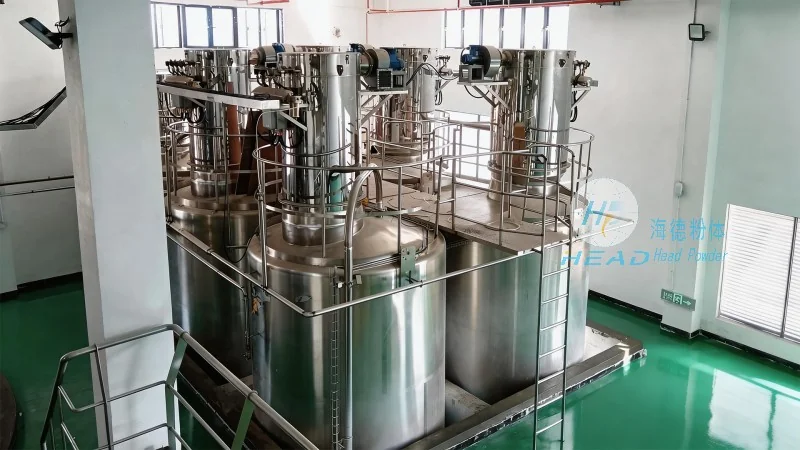
The alumina crystal pneumatic conveying equipment is widely used in various industrial sectors, including the aluminum industry, where alumina is a key raw material for aluminum production. In these applications, the equipment is used to transport alumina from storage facilities to processing plants, ensuring a continuous supply of raw material. The system is also used in the chemical industry, where alumina is used as a catalyst or adsorbent. The ability to handle abrasive materials and maintain high efficiency makes it an ideal choice for these applications. Additionally, the equipment is used in research and development laboratories, where precise control over material transport is essential for experimental processes. The system's flexibility and reliability make it suitable for a wide range of applications, from large-scale industrial production to laboratory-scale experiments.
Maintenance and Operational Considerations
To ensure the long-term performance and reliability of the alumina crystal pneumatic conveying equipment, regular maintenance is essential. The system components, such as the air compressor, pipeline, and control unit, require periodic inspection and maintenance to prevent breakdowns and ensure optimal operation. The hopper and other material contact parts should be cleaned regularly to prevent material buildup and blockages. The air compressor should be checked for proper lubrication and filter maintenance to ensure efficient operation. The control unit should be calibrated regularly to maintain accurate monitoring and adjustment of system parameters. Additionally, operators should be trained to recognize and respond to any signs of system malfunction, such as unusual noise or pressure changes. Proper maintenance and operational practices can significantly extend the lifespan of the equipment and reduce the risk of costly downtime.




