Gas-solid pneumatic conveying equipment for sintering dust is a critical component in modern sintering production lines, designed to efficiently handle and transport dust generated during the sintering process. This equipment plays a vital role in maintaining production efficiency, ensuring environmental compliance, and optimizing material utilization in the sintering industry.
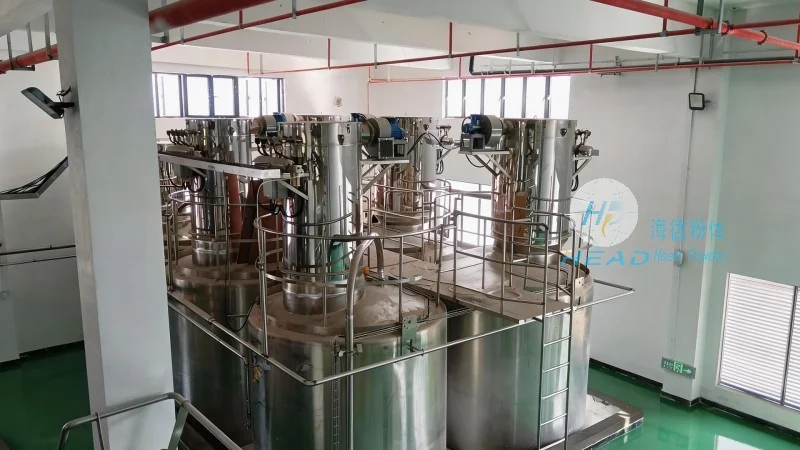
Overview of Sintering Dust Gas-Solid Pneumatic Conveying Equipment
Shandong HeadPowder Engineering Co., Ltd., a leading manufacturer based in China, specializes in the design, development, and implementation of advanced pneumatic conveying systems tailored for sintering dust management. The company's equipment is engineered to meet the specific demands of sintering operations, providing reliable and efficient solutions for dust handling and material transport. The equipment is typically installed in sintering plants to capture and convey dust from various points in the production process, such as the sintering machine, cooling system, and raw material handling areas.
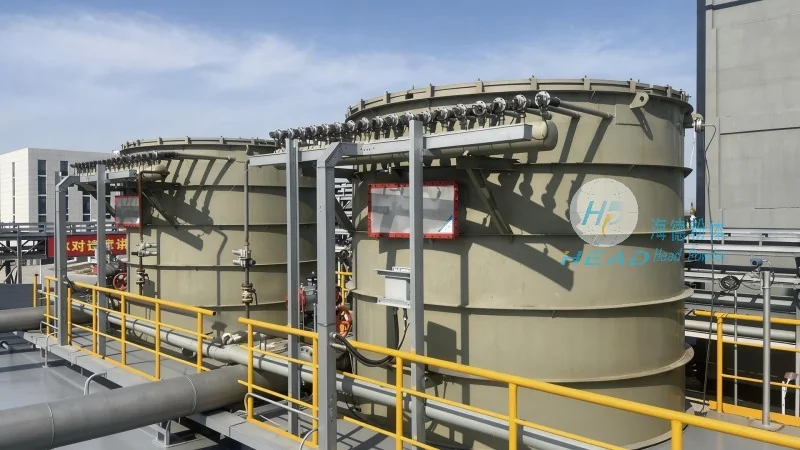
Key Components and Their Functions
The sintering dust gas-solid pneumatic conveying system consists of several key components, each playing a crucial role in the overall operation. The primary components include the material feeding device, air supply system, conveying pipeline, separation and filtration unit, and control system. The material feeding device, often a rotary valve or screw feeder, ensures a consistent and controlled feed of sintering dust into the system. The air supply system, which may use a blower or compressor, generates the necessary airflow to transport the dust particles through the pipeline. The conveying pipeline, usually made of stainless steel or other corrosion-resistant materials, transports the dust mixture from the feed point to the destination. The separation and filtration unit, such as a cyclone separator or bag filter, separates the dust from the air stream, allowing the air to be discharged or recirculated while collecting the dust for further use or disposal. The control system monitors and regulates the operation of the equipment, ensuring safe and efficient performance.
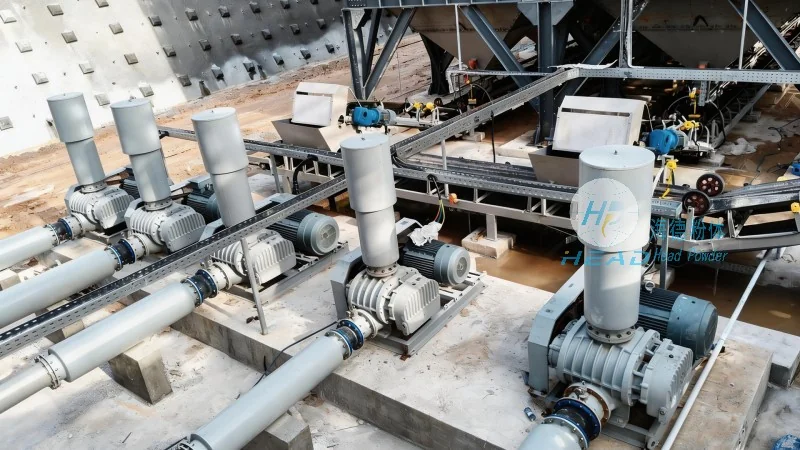
Operation Process of the Equipment
The operation of the sintering dust gas-solid pneumatic conveying equipment follows a systematic process to ensure efficient dust handling. The process begins with the feeding of sintering dust into the material feeding device. The device then delivers the dust into the conveying pipeline under the pressure of the air supply system. As the air flows through the pipeline, it carries the dust particles along, creating a suspension of material and air. The mixture travels through the pipeline to the separation and filtration unit. In the separation unit, the air and dust are separated; the air is either released to the atmosphere or recirculated, while the dust is collected in a hopper or storage container. The control system continuously monitors the pressure, flow rate, and other parameters to maintain optimal operation. The entire process is designed to minimize dust emissions, reduce material loss, and ensure the smooth flow of production in the sintering plant.
Working Principle of the Pneumatic Conveying System
The working principle of the sintering dust gas-solid pneumatic conveying system is based on the fundamental concept of transporting solid particles using a gas stream. There are two main types of pneumatic conveying systems: positive pressure and negative pressure. In positive pressure systems, the air is pressurized and forced through the pipeline, carrying the dust particles. In negative pressure systems, the air is drawn through the pipeline, creating a vacuum that pulls the dust into the system. The choice of system depends on factors such as the distance to be covered, the dust characteristics, and the plant layout. The equipment operates by creating a pressure differential between the feed point and the separation point, which drives the movement of the dust particles. The air velocity in the pipeline must be sufficient to keep the dust particles suspended and prevent deposition or blockage. Proper design of the pipeline diameter, air velocity, and pressure drop is essential to ensure efficient and reliable operation. The separation and filtration unit works by using centrifugal force or filtration media to separate the dust from the air. Cyclone separators use centrifugal force to separate particles based on their size and density, while bag filters use fabric media to trap fine particles. The collected dust can then be reused in the sintering process or disposed of according to environmental regulations.
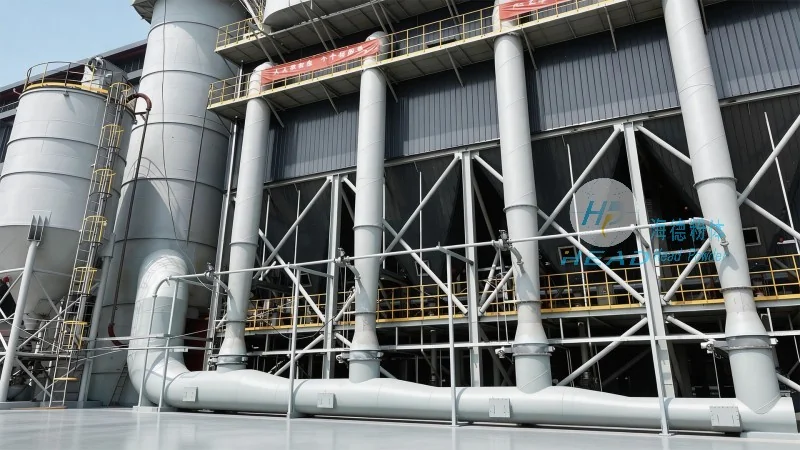
Benefits and Applications
The use of sintering dust gas-solid pneumatic conveying equipment offers several benefits to sintering plants. Firstly, it improves production efficiency by reducing downtime caused by dust accumulation and blockages. Secondly, it enhances environmental compliance by minimizing dust emissions and controlling air pollution. Thirdly, it optimizes material utilization by allowing the recovered dust to be reused in the sintering process, reducing raw material costs. The equipment is widely used in various sintering applications, including iron ore sintering, steelmaking sintering, and other industrial sintering processes. It is particularly effective in handling fine dust particles, which are difficult to transport using traditional methods. The equipment's flexibility allows it to be integrated into existing sintering plants or used in new plant designs, providing a cost-effective solution for dust management.




