For industrial applications involving the handling of zinc oxide powder, efficient and reliable material transport is crucial. The pneumatic conveying system, specifically designed for zinc oxide powder, offers a solution that combines precision, safety, and operational efficiency. This article delves into the operation process and working principle of such a system, highlighting its key components and the steps involved in the material transfer process.
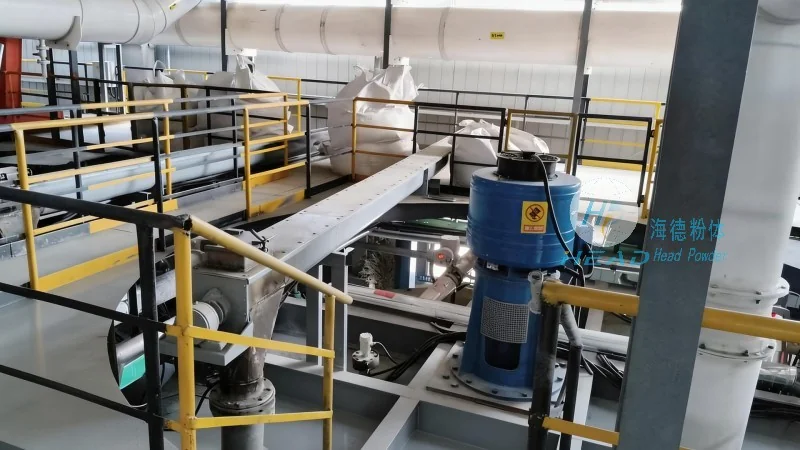
Overview of Zinc Oxide Powder Pneumatic Conveying System
The pneumatic conveying system for zinc oxide powder is engineered to handle fine powders like zinc oxide, which are often sensitive to moisture and require controlled handling to maintain product quality. The system is typically composed of several key components, including a hopper for material storage, a blower or compressor to generate the conveying air, a pipeline network to transport the powder, and a receiver or discharge unit for material collection. Each component plays a vital role in ensuring the smooth and efficient operation of the entire system.
Key Components and Their Functions
1. Hopper: The hopper serves as the primary storage vessel for zinc oxide powder. It is designed with a conical or rectangular shape to facilitate the uniform discharge of material. The hopper is equipped with a feed valve or gate that controls the flow of powder into the conveying line. This component ensures that the material is fed at a consistent rate, preventing overloading or underloading of the system.
2. Blower/Compressor: The blower or compressor is the heart of the pneumatic conveying system, responsible for generating the necessary air pressure and flow to move the zinc oxide powder through the pipeline. It can be a positive displacement blower or a centrifugal fan, depending on the system requirements. The blower provides the motive force that propels the powder particles, creating a slurry-like mixture of air and powder that travels through the pipeline.
3. Pipeline Network: The pipeline network consists of a series of pipes that connect the hopper to the discharge point. The pipes are typically made of materials resistant to corrosion and abrasion, such as stainless steel or polyethylene, to withstand the effects of zinc oxide powder over time. The design of the pipeline, including bends, elbows, and straight sections, is optimized to minimize pressure losses and ensure the efficient transport of the powder.
4. Receiver/Discharge Unit: The receiver or discharge unit is where the zinc oxide powder is collected after being conveyed through the pipeline. It is equipped with a discharge valve or outlet that allows the material to be released into a storage container or processing equipment. The receiver may also include a filter or separator to remove any entrained air or dust from the powder, ensuring that the final product is clean and free from contaminants.
Operation Process of Zinc Oxide Powder Pneumatic Conveying
The operation process of the zinc oxide powder pneumatic conveying system involves several sequential steps, each carefully controlled to maintain the integrity of the material and the efficiency of the system. The following is a detailed breakdown of the typical operation process:
1. Material Loading: The zinc oxide powder is loaded into the hopper from a bulk storage or processing area. The hopper is designed to accommodate a sufficient quantity of material to ensure continuous operation without frequent refills. The feed valve is adjusted to control the flow rate of powder into the conveying line, preventing excessive pressure buildup or material blockage.
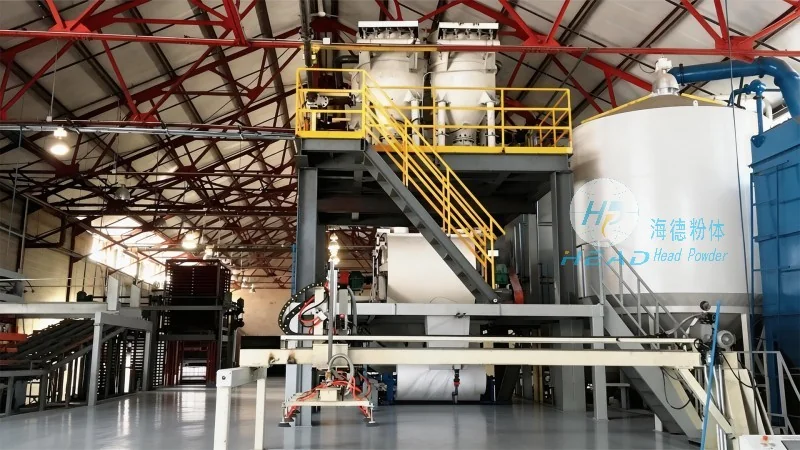
2. Air Generation: The blower or compressor is activated, generating the required air pressure and flow. The air is introduced into the pipeline at a specific pressure and velocity, creating a flow that is sufficient to entrain the zinc oxide powder particles. The air flow rate is carefully regulated to match the material feed rate, ensuring that the powder is fully suspended and transported without settling or clogging.
3. Powder Conveying: As the air flows through the pipeline, it entrains the zinc oxide powder particles, forming a mixture known as a "slurry" or "conveyed stream." The mixture travels through the pipeline network, passing through bends, elbows, and other components, while maintaining the necessary velocity to prevent particle deposition. The pipeline design, including the use of smooth surfaces and appropriate pipe diameters, minimizes friction losses and ensures that the material reaches the receiver without significant pressure drop.
4. Material Discharge: Upon reaching the receiver or discharge unit, the air and powder mixture is separated. The air is typically vented or recirculated, while the zinc oxide powder is collected in the receiver. The discharge valve is opened to allow the material to flow out of the receiver into a storage bin or processing equipment. The receiver may include a filter or separator to remove any residual air or fine particles, ensuring that the final product is of high quality and free from contaminants.
Working Principle of the Pneumatic Conveying System
The working principle of the zinc oxide powder pneumatic conveying system is based on the fundamental concept of fluidization and particle suspension. The system operates by creating a flow of air through the pipeline that is sufficient to lift and transport the powder particles. This is achieved through the generation of a pressure differential between the hopper and the receiver, which drives the material along the pipeline.
The key to the system's efficiency lies in the balance between the air flow rate and the material feed rate. If the air flow is too low, the powder particles may not be fully suspended and may settle, leading to blockages or uneven material transport. Conversely, if the air flow is too high, excessive energy consumption occurs, and the system may become inefficient. The optimal air flow rate is determined by factors such as the particle size, density, and moisture content of the zinc oxide powder, as well as the pipeline length and diameter.
The system also relies on the principles of fluid dynamics and particle mechanics to ensure that the powder is transported without degradation. The air velocity within the pipeline must be maintained above the minimum fluidization velocity, which is the velocity at which the powder particles are fully suspended and transported. This velocity is influenced by the particle size distribution, the air density, and the gravitational forces acting on the particles. By maintaining the air velocity above this threshold, the system ensures that the zinc oxide powder is conveyed efficiently and without damage.
Benefits and Applications of Zinc Oxide Powder Pneumatic Conveying
The pneumatic conveying system for zinc oxide powder offers several advantages over traditional material handling methods, such as belt conveyors or screw conveyors. These benefits include improved product quality, reduced contamination, and enhanced operational efficiency. The system is particularly suitable for handling fine powders like zinc oxide, which are often sensitive to moisture and require controlled handling to maintain their chemical properties.
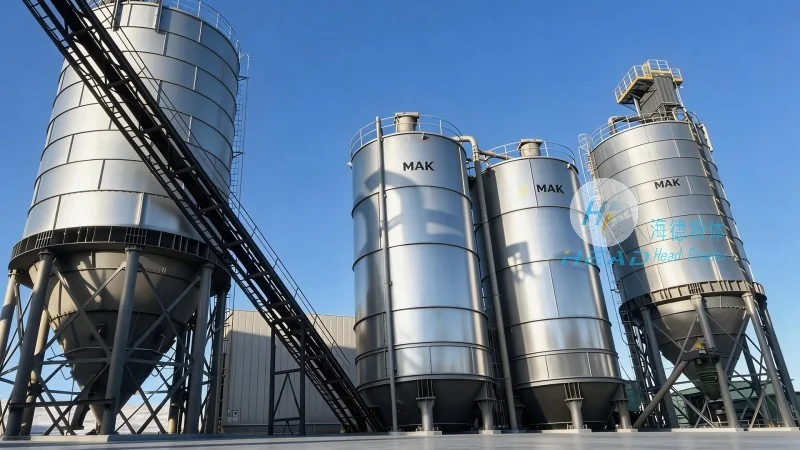
Some of the key benefits of the system include:
1. Reduced Product Contamination: The enclosed pipeline system prevents the material from coming into contact with the environment, reducing the risk of contamination from dust, moisture, or other external factors. This is crucial for zinc oxide powder, which is used in various applications where purity is essential, such as in the production of rubber, ceramics, and pharmaceuticals.
2. Efficient Material Transfer: The system allows for the continuous and uniform transfer of zinc oxide powder, reducing the need for manual handling and minimizing the risk of material loss or spillage. This improves operational efficiency and reduces labor costs.
3. Space-Saving Design: The pneumatic conveying system is typically compact and can be installed in confined spaces, making it suitable for facilities with limited floor space. The pipeline network can be designed to follow the layout of the facility, minimizing the need for additional equipment or infrastructure.
4. Flexibility in Application: The system can be adapted to various applications, including bulk material handling, batch processing, and continuous production. It can be integrated with other processing equipment, such as mixers, grinders, or reactors, to form a complete production line.
Applications of the zinc oxide powder pneumatic conveying system include the production of rubber compounds, where zinc oxide is used as a curing agent, the manufacturing of ceramics and refractory materials, and the production of pharmaceuticals and cosmetics. The system is also used in research and development laboratories for the handling of fine powders in experimental setups.
Conclusion
The operation process and working principle of the zinc oxide powder pneumatic conveying system are critical to ensuring the efficient and reliable handling of this important industrial material. By understanding the key components, operation steps, and working principles of the system, users can optimize its performance and maintain the quality of the zinc oxide powder. The system offers significant advantages over traditional material handling methods, making it an essential component in modern industrial processes.




