Silica, also known as silicon dioxide (SiO₂), is a crucial industrial material widely used in various sectors including construction, electronics, and pharmaceuticals. The efficient and reliable transport of silica powder is essential for maintaining production efficiency and product quality. Aeropneumatic conveying systems offer a sophisticated solution for handling silica, ensuring safe and effective material movement from source to destination. This article delves into the operation process and working principles of silica aeropneumatic conveying machines, highlighting their key components, operational mechanisms, and practical applications.
Key Components of Silica Aeropneumatic Conveying Systems
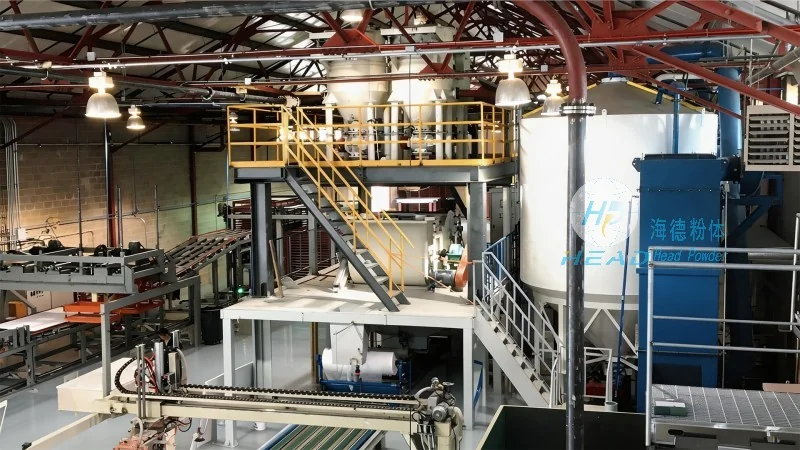
At the core of any silica aeropneumatic conveying system are several critical components that work in tandem to achieve optimal performance. The primary components include the hopper, which serves as the storage and feeding unit for the silica powder; the air compressor or blower, responsible for generating the necessary airflow to move the material; the conveying line, typically made of stainless steel or other corrosion-resistant materials to prevent contamination and ensure durability; and the discharge valve or receiver, where the material is deposited at the end of the conveying process. Additionally, filters and cyclones are often integrated to separate the silica powder from the air, ensuring clean operation and preventing dust accumulation in the system. These components are meticulously designed to handle the specific properties of silica, such as its fine particle size and potential for static charge, which can affect conveying efficiency.
The Operation Process of Silica Aeropneumatic Conveying
The operation of a silica aeropneumatic conveying machine involves a series of coordinated steps that ensure smooth material transport. The process typically begins with the loading of silica powder into the hopper. The hopper is equipped with a feeder, such as a rotary valve or a screw feeder, which controls the flow rate of the material into the conveying line. Simultaneously, the air compressor starts, generating a high-pressure airflow that travels through the conveying line. As the silica powder enters the line, it is entrained by the airflow, forming a slurry-like mixture known as a "pneumatic stream." This stream travels through the line under pressure, overcoming resistance and reaching the discharge point. At the discharge end, the air and silica are separated, often using a cyclone separator or a filter, where the silica is collected in the receiver and the air is either vented or recirculated. The entire process is automated, with sensors and controls monitoring parameters like pressure, flow rate, and material level to maintain consistent performance. This automated operation minimizes human intervention, reduces labor costs, and enhances safety by eliminating direct handling of the silica powder.
Working Principle of Silica Aeropneumatic Conveying
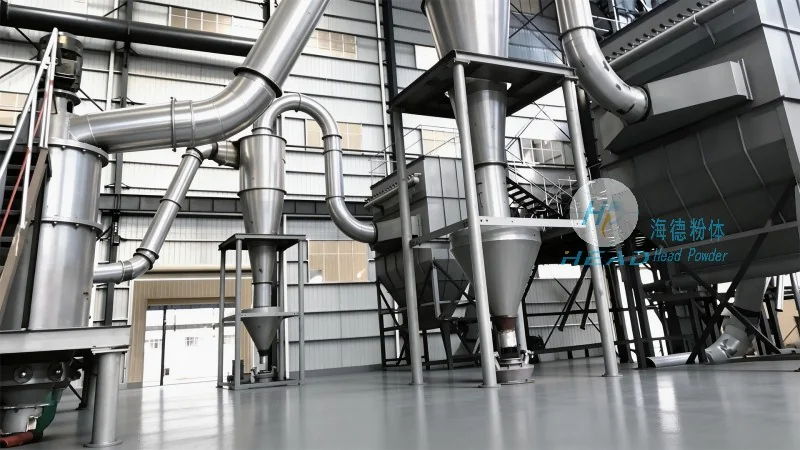
The working principle of silica aeropneumatic conveying is based on the fundamental concept of fluidization and particle suspension. When air is forced through the conveying line at a sufficient velocity, it creates a low-pressure zone that draws the silica particles into the stream. The velocity of the air must be high enough to overcome the gravitational force acting on the particles, ensuring they remain suspended and transported. The key to efficient conveying is maintaining the correct air-to-material ratio, which balances the need for sufficient airflow to carry the particles without excessive energy consumption. In the case of silica, which is often fine and prone to agglomeration, the system may include a pre-drying or de-agglomeration step to improve flowability. This step involves heating the air or using a vibrating feeder to break up clumps, ensuring uniform particle size and better conveying performance. The separation process at the discharge end is critical, as it prevents dust from escaping into the environment and maintains the purity of the silica. Cyclone separators use centrifugal force to separate the particles from the air, while filters use a mesh or fabric to trap fine particles, ensuring that only clean air is released.
Applications and Benefits of Silica Aeropneumatic Conveying Machines
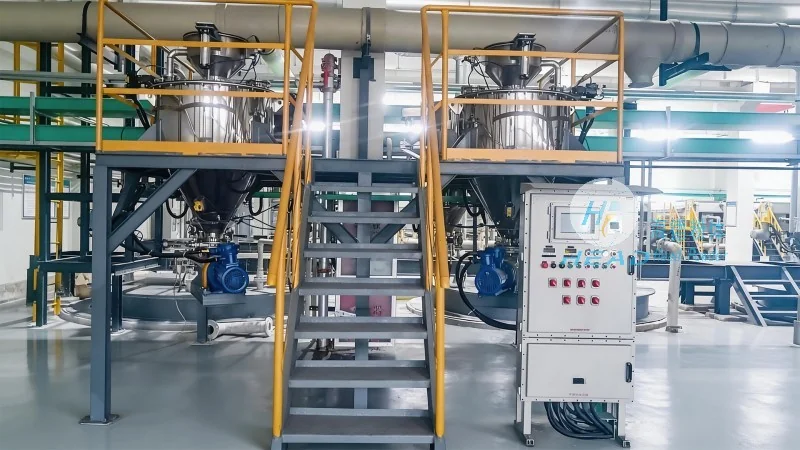
Silica aeropneumatic conveying machines are widely used in various industrial applications due to their versatility and efficiency. They are commonly employed in the production of glass, ceramics, and refractory materials, where large quantities of silica powder need to be transported between processing units. In the pharmaceutical industry, these systems are used to handle silica-based excipients, ensuring that the material is transported without contamination. The benefits of using aeropneumatic conveying for silica include reduced material handling costs, improved safety by minimizing direct contact with the powder, and enhanced product quality through consistent flow and low contamination risk. Additionally, these systems are compact and can be integrated into existing production lines, making them a cost-effective solution for many industries. The ability to transport silica over long distances without the need for intermediate storage or transfer points also contributes to increased operational efficiency.
About Shandong HeadPowder Engineering Co., Ltd.
Shandong HeadPowder Engineering Co., Ltd., commonly known as headpowder, is a leading manufacturer of advanced material handling equipment, including silica aeropneumatic conveying machines. With a strong focus on innovation and quality, the company has established itself as a trusted partner in the industry, providing customized solutions tailored to the specific needs of its clients. Headpowder's products are designed with the latest technology and adhere to international standards, ensuring reliability and durability. The company's commitment to customer satisfaction is reflected in its comprehensive after-sales support, including installation, maintenance, and technical assistance. Headpowder's facilities are located in Shandong, China, where the company leverages local expertise and resources to deliver high-quality products to a global market. By combining engineering excellence with customer-centric approach, headpowder continues to set new standards in the material handling industry.




