

Operation Process and Working Principle of Barley Malting Pneumatic Conveying System Equipment
HeadPowder, a leading manufacturer based in Shandong, China, specializes in the design, development, and production of advanced pneumatic conveying systems tailored for the barley malting industry. Our systems are engineered to efficiently transport barley and other raw materials with precision and reliability, ensuring optimal performance in malting operations.
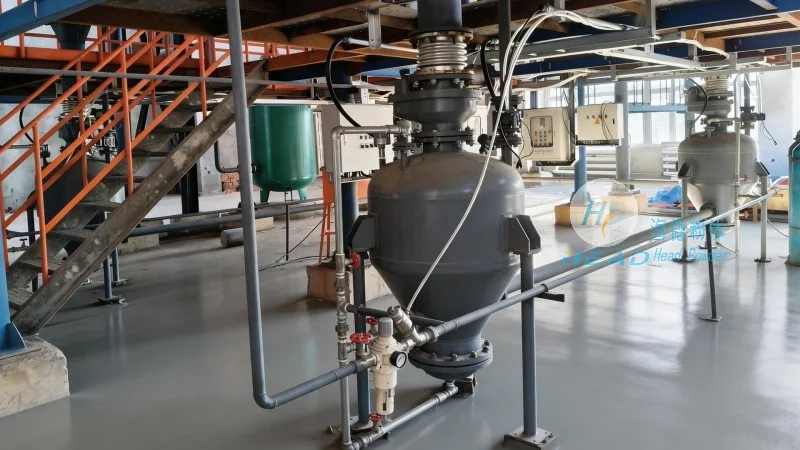
Overview of the Barley Malting Pneumatic Conveying System
The barley malting pneumatic conveying system is a sophisticated piece of equipment designed to handle the transportation of barley grains from storage silos or processing areas to the malting tanks. This system integrates various components, including feeders, conveying pipes, air compressors, and control units, to achieve seamless material transfer. The primary goal is to maintain the quality of the barley while minimizing material loss and operational downtime.
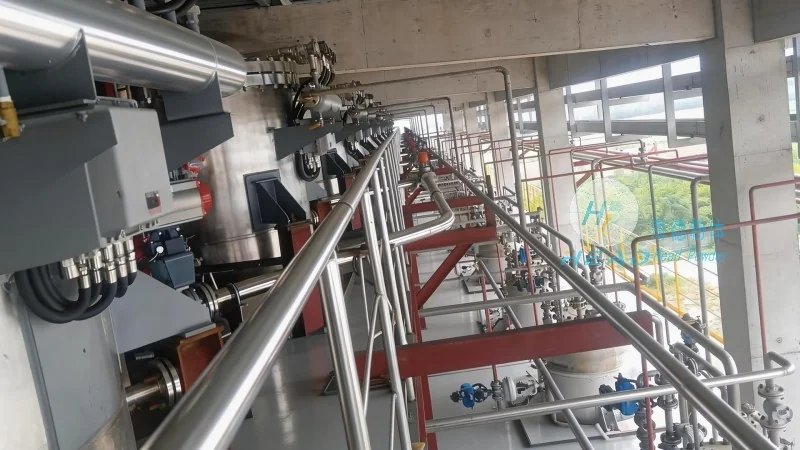
Key Components and Their Functions
Each component of the pneumatic conveying system plays a crucial role in the overall operation. The feeders, typically screw or rotary types, are responsible for uniformly feeding the barley into the conveying line. The conveying pipes, often made of stainless steel or other corrosion-resistant materials, ensure the safe and efficient movement of the material. Air compressors generate the necessary pressure to create a flow of air that propels the barley through the system. Control units monitor and regulate the pressure, flow rate, and other parameters to maintain consistent performance.
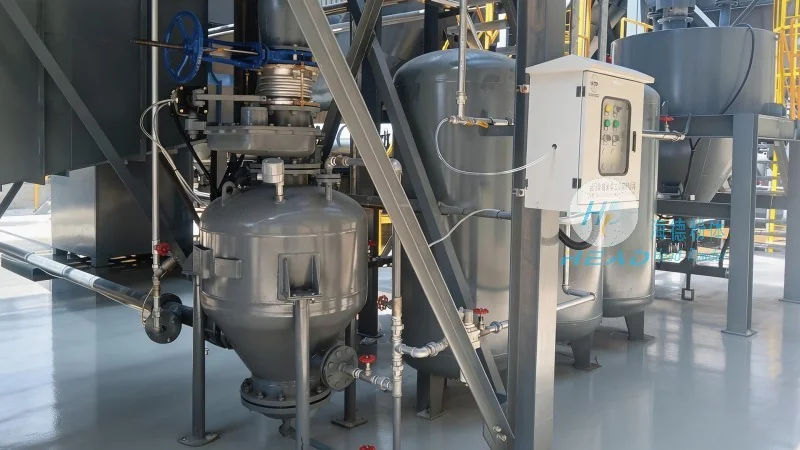
Working Principle of the System
The operation of the barley malting pneumatic conveying system follows a systematic process. Initially, the barley is fed into the system by the feeder. The air compressor then supplies compressed air, which is introduced into the conveying line. As the air flows through the pipe, it creates a low-pressure zone that draws the barley particles into the air stream. The mixture of barley and air travels through the system, reaching the destination point such as the malting tanks. The system may include features like cyclones or filters to separate the air from the barley at the end of the conveying line, ensuring that the material is deposited accurately without contamination.
Operation Process: Step-by-Step
The operational process of the pneumatic conveying system can be broken down into several key steps. First, the barley is loaded into the storage silo or hopper. The feeder then starts to discharge the barley at a controlled rate. Simultaneously, the air compressor activates and begins to generate compressed air. The air is introduced into the conveying line, creating a pressure differential that initiates the material transport. The barley particles are entrained by the air and move through the pipeline to the receiving tank. At the end of the line, a separator or filter removes the air from the barley, allowing the material to be deposited in the tank. The system continuously monitors the flow rate and pressure to ensure that the operation remains stable and efficient.
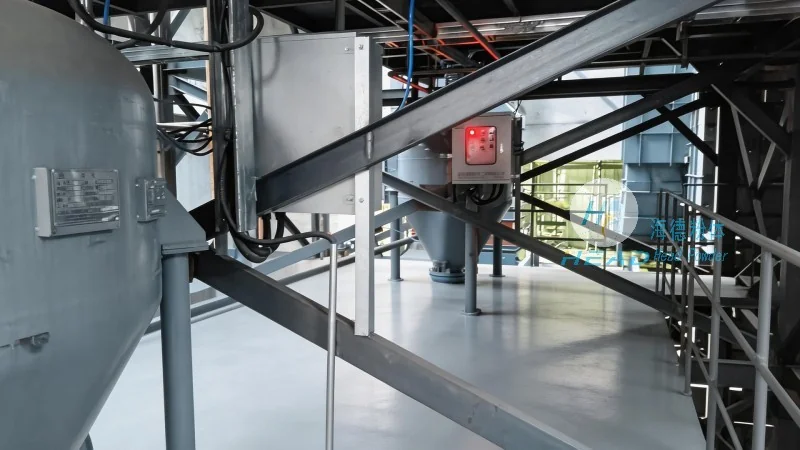
Advantages of the Barley Malting Pneumatic Conveying System
Implementing a pneumatic conveying system for barley malting offers several advantages. Firstly, it provides a dust-free and hygienic environment, which is crucial for maintaining the quality of the malt. The system minimizes material handling and reduces the risk of contamination from external sources. Additionally, the automated operation ensures consistent and reliable performance, reducing the need for manual intervention and lowering labor costs. The system also offers flexibility in terms of material handling, allowing for the transport of different types of barley with minimal adjustments. Furthermore, the energy efficiency of the system contributes to lower operational costs over time.