For industries dealing with corn kernels, efficient and reliable material handling is crucial. The corn kernels pneumatic conveying system equipment, developed by Shandong HeadPowder Engineering Co., Ltd., offers a sophisticated solution for transporting corn kernels with precision and minimal loss. This system is designed to handle the unique characteristics of corn kernels, ensuring smooth operation and optimal performance in various industrial applications.
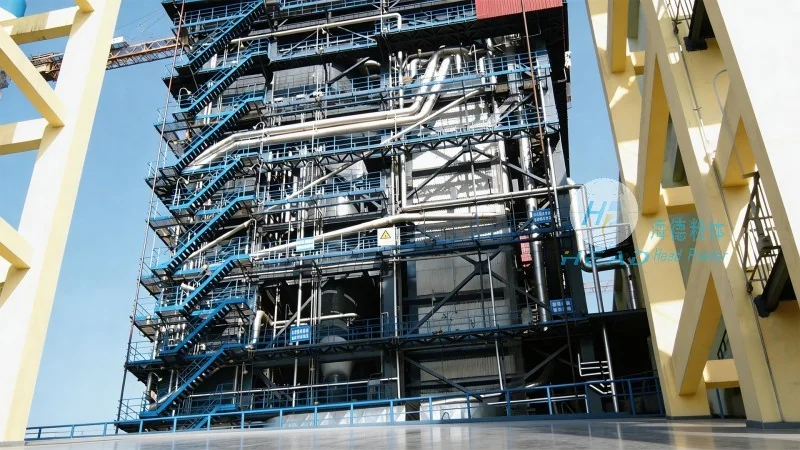
Working Principle of the Pneumatic Conveying System
The core of the corn kernels pneumatic conveying system lies in its air-driven mechanism. The system operates by using compressed air to create a flow that propels corn kernels through a pipeline. As the corn kernels enter the system, they are drawn into the conveying line by the pressure differential generated by the air flow. The equipment is equipped with specialized components such as feeders, cyclones, and filters that work in tandem to maintain the integrity of the corn kernels while ensuring efficient transport. The air flow is carefully controlled to prevent damage to the kernels, which is essential for maintaining their quality and market value.
Key Components and Their Functions
Several critical components make up the corn kernels pneumatic conveying system. The feeder is responsible for uniformly feeding corn kernels into the system, ensuring a consistent flow rate. The air compressor provides the necessary compressed air to drive the conveying process. Cyclones are used to separate the corn kernels from the air stream, allowing for the collection of the kernels at the destination. Filters are installed to remove any dust or debris from the air, maintaining air quality and preventing equipment damage. Each component is designed to work seamlessly with the others, contributing to the overall efficiency and reliability of the system.
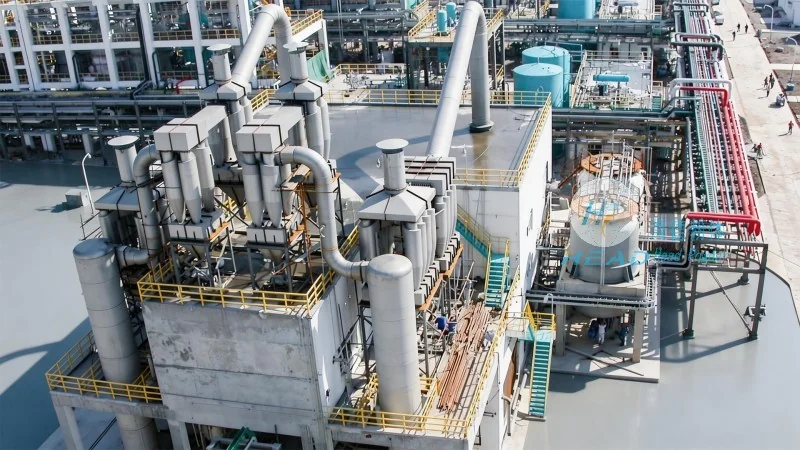
Operation Process of the System
The operation process of the corn kernels pneumatic conveying system begins with the loading of corn kernels into the hopper. The feeder then regulates the flow of kernels into the conveying line. As the compressed air is introduced, it creates a vacuum that pulls the kernels through the pipeline. The system continuously monitors the pressure and flow rates to ensure optimal performance. At the receiving end, the cyclone separates the kernels from the air, and the kernels are collected in a storage bin. The air, now filtered, is released back into the environment or recycled for further use. This process is automated and can be adjusted to handle varying volumes of corn kernels, making it suitable for both small-scale and large-scale operations.
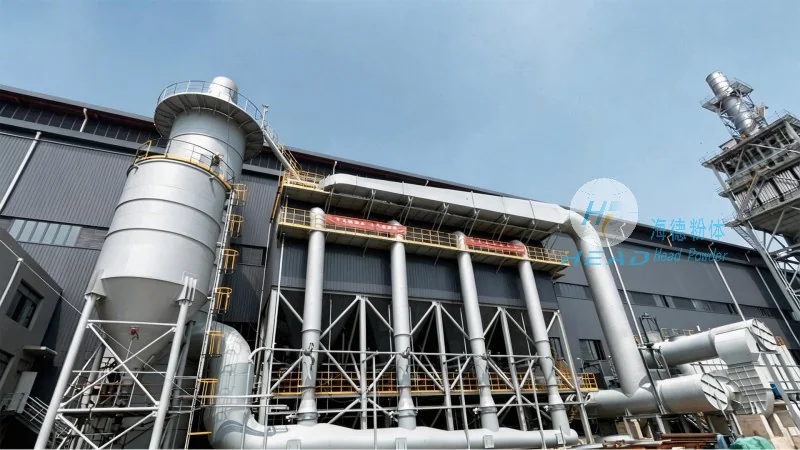
Advantages of Using the Pneumatic Conveying System
Implementing a corn kernels pneumatic conveying system offers numerous advantages over traditional material handling methods. One of the primary benefits is the reduction in material handling time and labor costs. The system allows for continuous and automated transport, minimizing the need for manual intervention. Additionally, the enclosed pipeline design prevents contamination and dust exposure, ensuring the quality of the corn kernels remains high. The system also reduces the risk of breakage and damage to the kernels, which is critical for maintaining their market value. Furthermore, the energy efficiency of the system contributes to lower operational costs and a smaller environmental footprint.
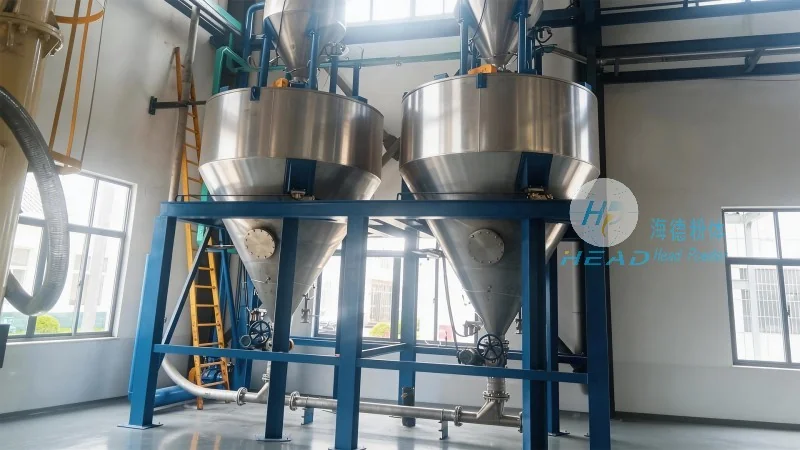
Applications and Industries
The corn kernels pneumatic conveying system is widely used in various industries that process corn kernels. These include food processing plants, where the system is used for transporting raw corn kernels to processing lines. It is also utilized in grain storage facilities for moving corn kernels between storage silos and processing areas. The system is suitable for both wet and dry corn kernels, making it versatile for different processing stages. The reliability and efficiency of the system make it an ideal choice for industries that require consistent and high-quality material handling solutions.
Maintenance and Troubleshooting
To ensure the long-term performance of the corn kernels pneumatic conveying system, regular maintenance is essential. The system should be inspected regularly for any signs of wear or damage to components such as the feeder, cyclones, and filters. The air compressor and air filters should be checked and cleaned as needed to maintain optimal air quality and pressure. If the system experiences any issues, such as reduced conveying efficiency or increased noise, troubleshooting steps should be taken. Common issues may include clogged filters, low air pressure, or blockages in the pipeline. By addressing these issues promptly, the system can be restored to its optimal performance, minimizing downtime and ensuring continuous operation.




