For industrial applications that require efficient handling and transport of powders while maintaining air quality, the pulse dust removal powder conveying system stands out as a critical solution. This system integrates advanced dust control mechanisms with reliable powder transport capabilities, making it essential for industries such as cement, chemical, and food processing. The following sections will explore the operational workflow and underlying principles of this system, highlighting its design and functionality.
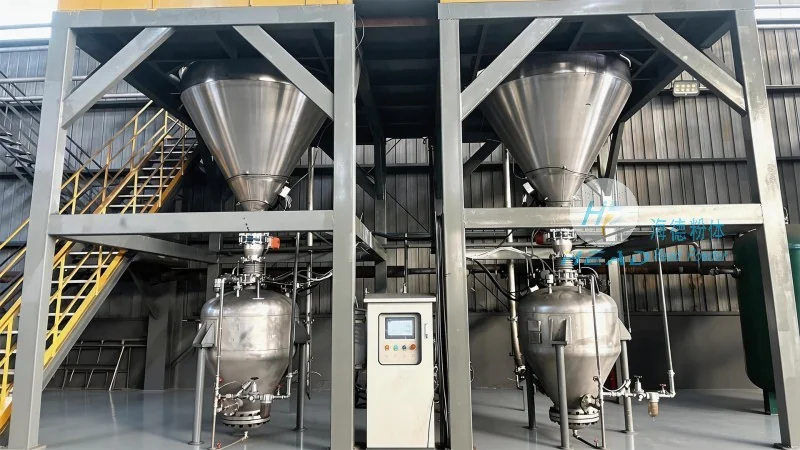
System Overview and Core Components
The pulse dust removal powder conveying system, developed by Shandong HeadPowder Engineering Co., Ltd., is engineered to address the challenges of dust generation and material transport in industrial settings. The system comprises several key components, including a dust collector, a conveying pipeline, a pulse valve, and a control unit. Each component plays a vital role in ensuring the system operates efficiently and maintains compliance with environmental standards. The dust collector is responsible for capturing airborne particles, while the conveying pipeline transports the powder from the source to the destination. The pulse valve, which is controlled by the system's control unit, injects compressed air pulses to clean the filter media and maintain dust collection efficiency. This integrated approach ensures that both dust removal and material transport are achieved simultaneously, optimizing operational performance.
Operation Process: Step-by-Step Workflow
The operation of the pulse dust removal powder conveying system follows a systematic process that ensures consistent and reliable performance. The workflow begins with the material being fed into the dust collector, where it is initially separated from the air stream. The collected powder is then transferred through the conveying pipeline to the desired destination. During this process, the system continuously monitors the pressure and flow rates to maintain optimal conditions. The pulse valve is activated periodically to clean the filter media, preventing clogging and ensuring that the dust collector maintains its efficiency. This cyclic operation allows the system to operate continuously without interruption, providing a stable supply of clean air and transported powder. The control unit manages all these functions, adjusting the pulse frequency and air pressure as needed to adapt to varying material characteristics and operational demands.
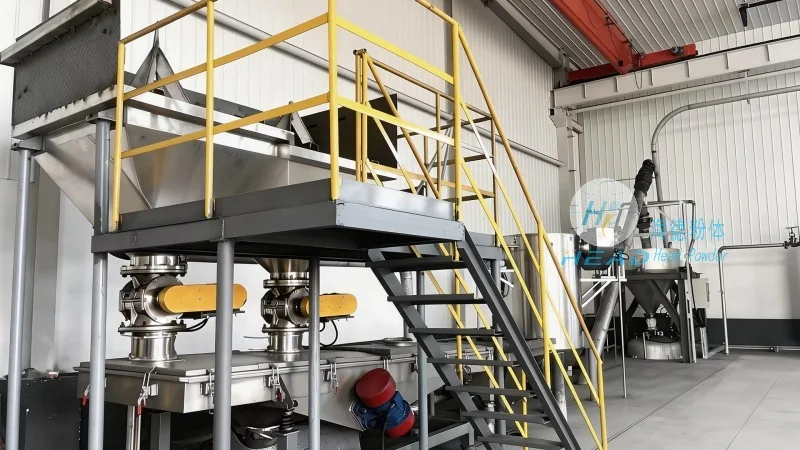
Working Principle: How It Ensures Efficient Dust Removal and Conveying
The working principle of the pulse dust removal powder conveying system is based on the combination of dust collection and pneumatic conveying technologies. The system operates by using a dust collector to trap airborne particles, which are then collected in a hopper. The collected powder is subsequently conveyed through a pipeline using compressed air. The pulse valve is a critical component that injects short bursts of high-pressure air into the filter media, dislodging accumulated dust and preventing blockages. This cleaning process is synchronized with the material transport, ensuring that the system maintains high efficiency throughout its operation. The control unit monitors the pressure drop across the filter, triggering the pulse valve when the pressure reaches a predefined threshold. This feedback mechanism ensures that the cleaning process is initiated at the optimal time, minimizing downtime and maximizing the system's performance. The integration of these technologies allows the system to achieve high dust removal efficiency while maintaining the integrity of the conveyed powder, making it suitable for a wide range of industrial applications.
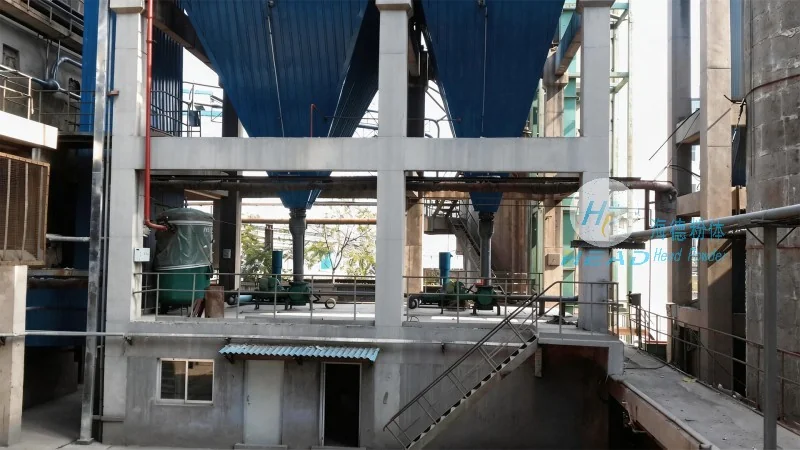
Technical Advantages and Performance Characteristics
Shandong HeadPowder Engineering Co., Ltd.'s pulse dust removal powder conveying system offers several technical advantages that enhance its performance and reliability. One of the key advantages is its high dust removal efficiency, which can reach up to 99.9% in some applications. This is achieved through the effective combination of the dust collector and the pulse cleaning mechanism. The system also provides consistent material transport rates, ensuring that the conveyed powder reaches its destination without loss or degradation. The use of advanced materials in the construction of the components, such as corrosion-resistant steel for the pipeline and high-efficiency filter media, further enhances the system's durability and longevity. Additionally, the system is designed to be energy-efficient, with optimized air pressure and pulse frequency settings that reduce energy consumption while maintaining performance. These advantages make the system a cost-effective solution for industries that require reliable and efficient powder handling and dust control.
Application Scenarios and Industry Relevance
The pulse dust removal powder conveying system is widely used in various industrial sectors due to its versatility and effectiveness. In the cement industry, it is used to transport raw materials and finished products while controlling dust emissions. In the chemical industry, it handles a variety of powders, including reactive chemicals, ensuring safety and compliance with regulations. The food processing industry also benefits from this system, as it maintains the quality and safety of food products by preventing contamination and dust accumulation. The system's adaptability to different materials and operating conditions makes it suitable for a broad range of applications, from small-scale operations to large-scale industrial plants. By addressing the dual challenges of dust control and material transport, the system provides a comprehensive solution that meets the needs of modern industrial processes.




