High-pressure dilute phase powder conveying systems are advanced industrial solutions designed to transport bulk powders efficiently over long distances with minimal pressure drop and energy consumption. These systems are widely used in various industries such as chemical, pharmaceutical, food processing, and mining, where reliable and cost-effective material handling is critical.
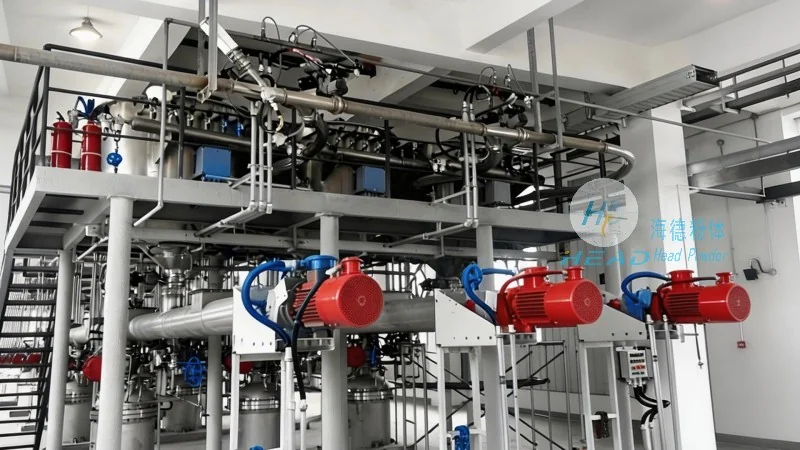
Overview of High-Pressure Dilute Phase Powder Conveying Systems
At the core of these systems is the high-pressure air or gas that acts as the conveying medium, suspending the powder particles in a dilute phase. This method ensures that the powder is transported as a fine mist or cloud, reducing the risk of blockages and ensuring smooth flow through the pipeline. The system typically consists of a blower or compressor, a hopper for powder storage, a feeder to control the powder flow rate, a pipeline network, and a discharge unit at the receiving end.
Key Components and Their Functions
The blower or compressor generates the necessary pressure to move the powder particles. It is usually a positive displacement blower or a centrifugal compressor, chosen based on the specific powder characteristics and conveying distance. The hopper serves as the storage vessel, providing a consistent feed of powder to the system. The feeder, often a rotary valve or a screw feeder, regulates the powder discharge rate, ensuring a stable flow that matches the conveying capacity of the system. The pipeline network is made of materials resistant to the conveyed powder, such as stainless steel or special plastics, to prevent corrosion and particle buildup. The discharge unit, which may include a cyclone separator or a filter, separates the powder from the conveying air and collects it at the destination.
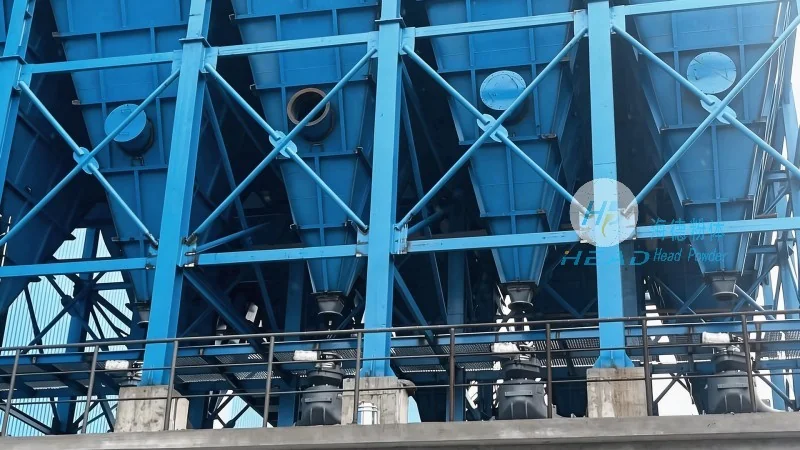
Operation Process of High-Pressure Dilute Phase Powder Conveying
The operation process begins with the loading of the hopper with the powder to be conveyed. The feeder then starts to discharge the powder at a controlled rate. Simultaneously, the blower or compressor starts to operate, generating the high-pressure air or gas. The powder is drawn into the pipeline by the pressure differential and is suspended in the air stream. As the mixture travels through the pipeline, it maintains a dilute phase, which minimizes friction losses and ensures efficient transport. At the receiving end, the discharge unit separates the powder from the air. The cyclone separator uses centrifugal force to separate the powder particles from the gas, while the filter captures any fine particles that may have escaped. The collected powder is then transferred to the receiving container or processing equipment.
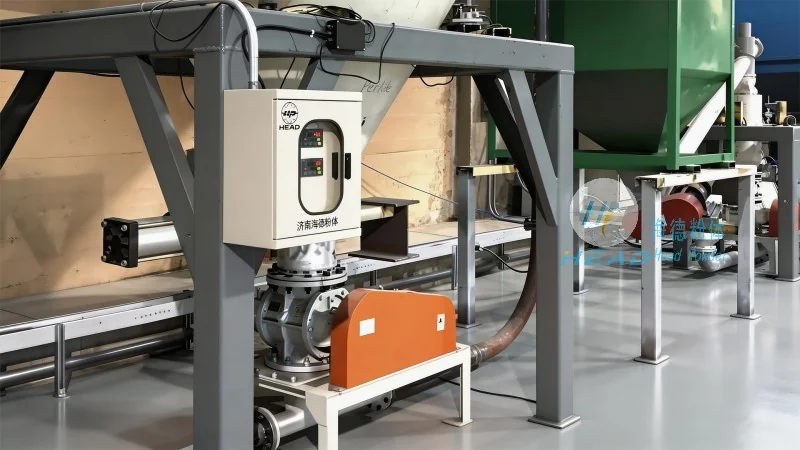
Working Principle: How the System Transports Powder
The working principle of high-pressure dilute phase powder conveying is based on the principle of fluidization and suspension. The high-pressure air or gas creates a turbulent flow within the pipeline, which suspends the powder particles and prevents them from settling or sticking to the pipe walls. The velocity of the air stream is maintained above the minimum conveying velocity, which is determined by the powder's density, particle size, and other physical properties. This ensures that the powder remains in a suspended state throughout the conveying process. The system's design, including the blower capacity, pipeline diameter, and feeder settings, is optimized to achieve the desired conveying rate and pressure drop, minimizing energy consumption and maximizing efficiency.
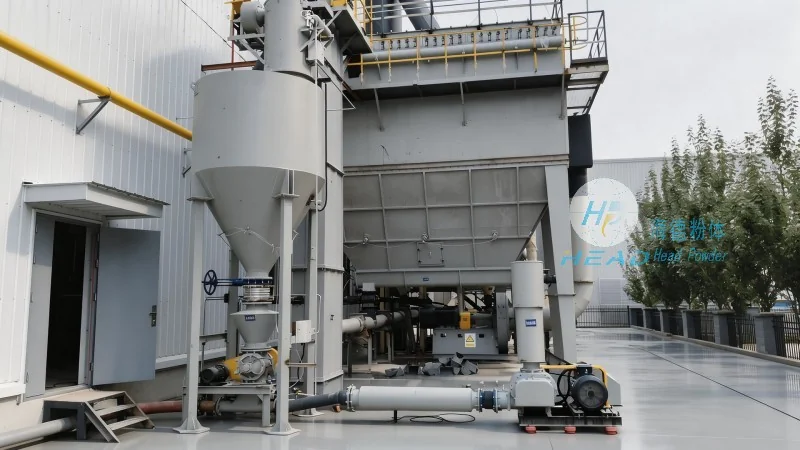
Applications and Benefits of High-Pressure Dilute Phase Powder Conveying Systems
High-pressure dilute phase powder conveying systems are suitable for a wide range of applications, including the transport of fine powders like cement, flour, and pharmaceutical powders, as well as bulk materials like coal, ore, and minerals. The key benefits of these systems include high conveying capacity, low pressure drop, energy efficiency, and the ability to transport powders over long distances without the need for intermediate storage or handling. Additionally, these systems are relatively simple to install and maintain, making them a cost-effective solution for industrial material handling needs.
Conclusion
High-pressure dilute phase powder conveying systems represent a sophisticated and efficient method for transporting bulk powders in various industrial applications. By understanding the operation process and working principles, users can optimize the system's performance and ensure reliable and cost-effective material handling. With its ability to handle a wide range of powder types and distances, this technology continues to be a vital component in modern industrial operations.




