HeadPowder, a leading manufacturer based in Shandong, China, specializes in the design and production of advanced negative pressure dilute phase powder conveying systems. These systems are engineered to efficiently transport bulk powders over long distances with minimal energy consumption and high reliability. This article delves into the detailed operation process and underlying working principles of such equipment, providing a comprehensive understanding for professionals in the powder handling industry.
Key Components and Their Roles
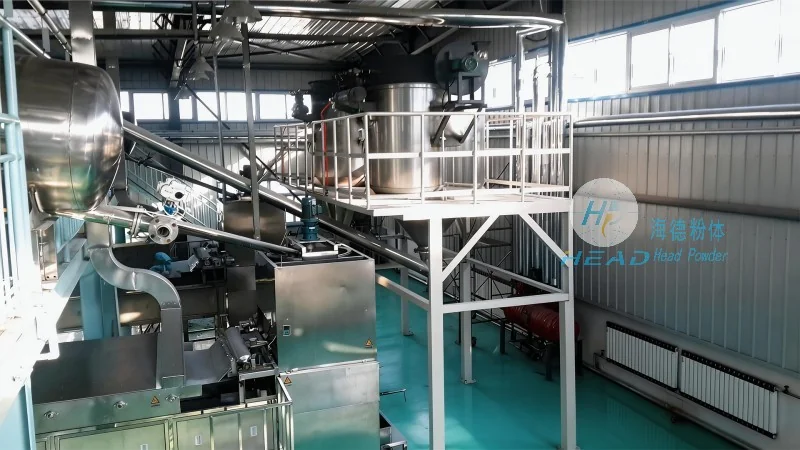
The negative pressure dilute phase powder conveying system typically consists of several critical components that work in tandem to ensure smooth material transport. The primary components include a material loading hopper, a conveying pipeline, a fan or blower unit, a dust filter system, and a discharge outlet. Each component plays a vital role in the overall operation. The material loading hopper is responsible for receiving and storing the bulk powder, while the conveying pipeline transports the powder particles suspended in the air stream. The fan or blower generates the necessary negative pressure to draw the powder mixture through the pipeline. The dust filter system ensures compliance with environmental regulations by capturing fine particles and returning clean air to the environment. Finally, the discharge outlet allows the processed powder to be released at the destination point.
Operation Process: From Material Loading to Discharge
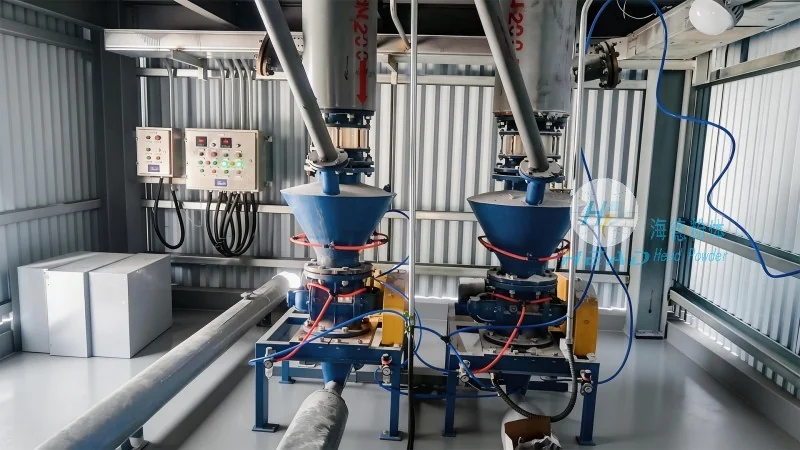
The operation process of a negative pressure dilute phase powder conveying system begins with the loading of bulk powder into the material hopper. The hopper is designed with a hopper bottom valve that controls the flow rate of the material into the pipeline. Once the hopper is filled, the fan is activated, creating a negative pressure within the pipeline. This negative pressure draws the powder particles from the hopper into the air stream, forming a dilute phase mixture. The mixture travels through the pipeline at a high velocity, typically ranging from 15 to 30 meters per second, depending on the system design and material properties. As the mixture moves, it passes through any intermediate equipment such as silos or storage tanks, where the powder may be further processed or transferred. The conveying process continues until the material reaches the discharge outlet at the destination. At this point, the fan is turned off, and the discharge valve is opened to release the powder into the receiving container. The entire process is automated, with sensors and control systems monitoring the flow rate, pressure, and temperature to maintain optimal performance.
Working Principle: How Negative Pressure and Dilute Phase Conveying Work
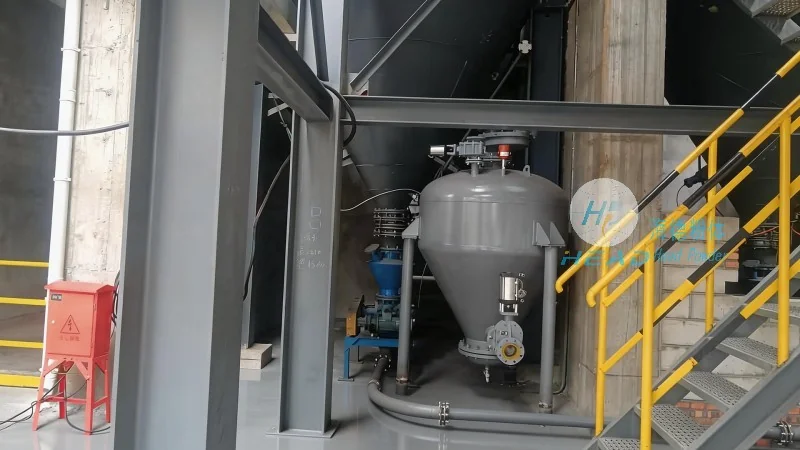
The core working principle of negative pressure dilute phase powder conveying is based on the creation of a negative pressure environment within the conveying pipeline. This is achieved by the fan or blower, which draws air from the environment and expels it through the discharge outlet, creating a suction effect. The powder particles are then entrained in this air stream, forming a dilute phase mixture. The term "dilute phase" refers to the low concentration of powder particles in the air, typically ranging from 1 to 5 grams per cubic meter. This low concentration minimizes the risk of particle agglomeration and ensures efficient transport. The negative pressure system is particularly effective for transporting powders that are prone to dusting or caking, as it prevents the formation of static charges and maintains a consistent flow. The fan's capacity and the pipeline's design are critical factors in determining the system's conveying capacity and efficiency. Proper sizing of the fan and pipeline diameter ensures that the powder mixture can be transported at the desired velocity without excessive pressure drop or energy consumption.
Technical Advantages and Practical Applications
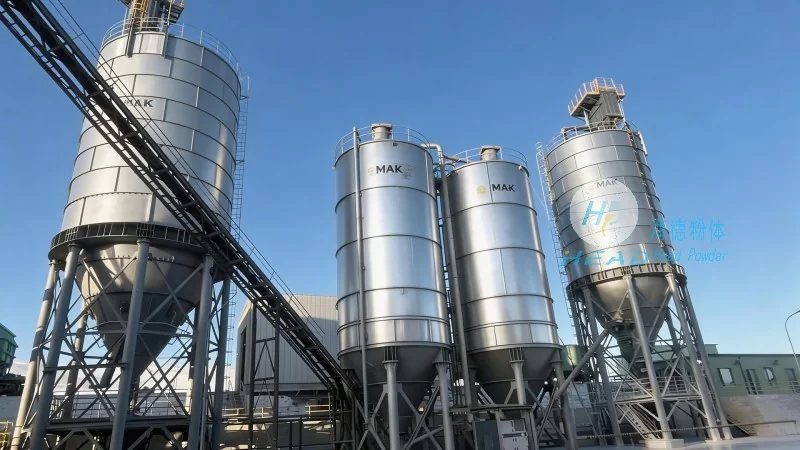
Negative pressure dilute phase powder conveying systems offer several technical advantages that make them ideal for various industrial applications. One of the key advantages is their ability to transport powders over long distances with minimal energy consumption compared to other conveying methods like pneumatic positive pressure systems. The negative pressure design also reduces the risk of dust emissions, making it suitable for applications where environmental compliance is a priority. Additionally, these systems are capable of handling a wide range of powder types, including fine powders, granules, and even abrasive materials, without causing significant wear to the equipment. The modular design of the system allows for easy integration with existing production lines and can be customized to meet specific process requirements. Practical applications of negative pressure dilute phase powder conveying include the transport of cement, flour, pharmaceutical powders, and chemical powders in industries such as construction, food processing, and pharmaceutical manufacturing. The system's reliability and low maintenance requirements make it a preferred choice for continuous operation in these industries.




