For industries dealing with zinc oxide powder, efficient and reliable handling equipment is crucial for maintaining production efficiency and product quality. The equipment designed by Shandong HeadPowder Engineering Co., Ltd. (referred to as HeadPowder) is engineered to meet the specific demands of powder transport, ensuring smooth operation from raw material intake to final discharge. This article will explore the operational process and working principles of such equipment, highlighting key components and their functions.
Key Components of the Powder Handling System
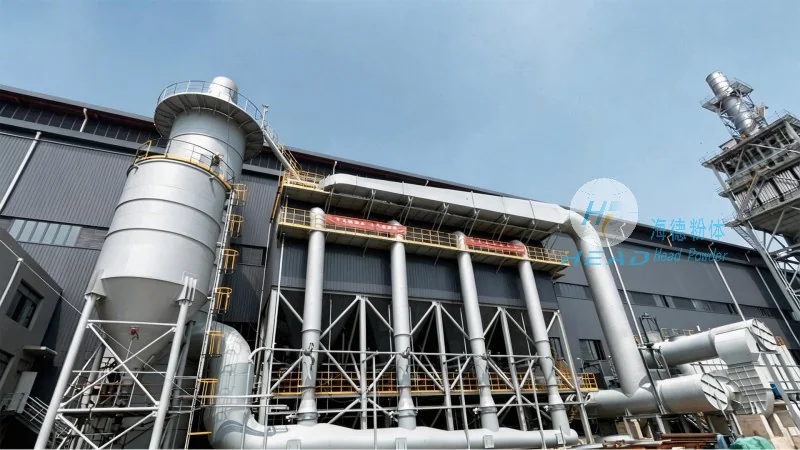
The zinc oxide powder handling equipment typically consists of several integrated components that work in tandem to achieve seamless material transport. The primary components include a hopper for material storage, a feeder mechanism to control the flow rate, a conveyor system for transporting the powder, and a discharge unit for final output. Each component plays a vital role in the overall system performance.
1. **Hopper**: The hopper is the initial storage unit where raw zinc oxide powder is loaded. It is designed with a conical or rectangular shape to facilitate uniform material distribution and prevent clogging. The hopper is equipped with a lid or cover to protect the material from environmental factors such as moisture and contamination. The material level in the hopper is often monitored by sensors to trigger the feeder when the level drops below a certain threshold.
2. **Feeder**: The feeder is a critical component that regulates the flow rate of the powder from the hopper to the conveyor. Common types of feeders include rotary valves, vibratory feeders, and screw feeders. The choice of feeder depends on the powder characteristics, such as particle size, density, and flowability. For zinc oxide powder, a rotary valve or a vibratory feeder is often preferred due to their ability to handle fine powders without causing excessive wear or blockages.
3. **Conveyor System**: The conveyor system is responsible for transporting the powder from the feeder to the discharge point. It can be a belt conveyor, a screw conveyor, or a pneumatic conveyor, depending on the application requirements. Belt conveyors are widely used for bulk material transport due to their high capacity and low maintenance. Screw conveyors are suitable for vertical or inclined transport, while pneumatic conveyors use air pressure to move the powder, which is ideal for dust-free and hygienic environments.
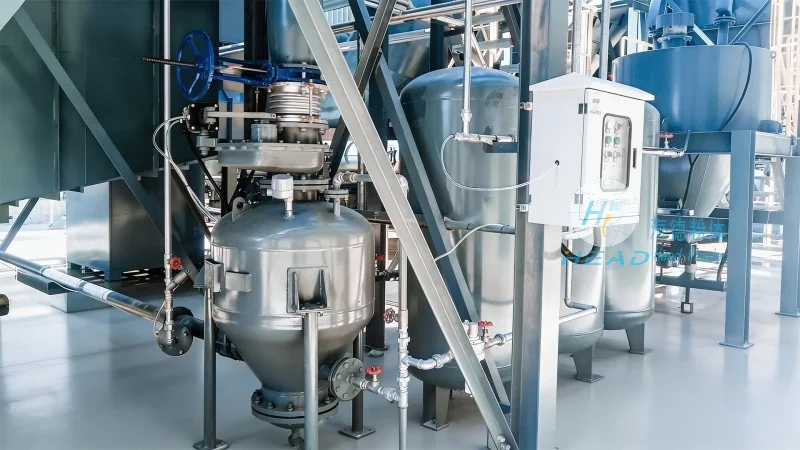
4. **Discharge Unit**: The discharge unit is the final component where the powder is released from the conveyor system. It may include a discharge hopper, a valve, or a conveyor outlet. The design of the discharge unit ensures that the powder is discharged smoothly without spillage or blockage, maintaining product integrity.
Operation Process of the Equipment
The operation process of the zinc oxide powder handling equipment begins with the loading of raw material into the hopper. Once the hopper is filled, the feeder starts to regulate the flow rate based on the production demand. The powder then moves through the conveyor system to the discharge unit, where it is collected for further processing or packaging. The entire process is automated, with sensors and control systems monitoring key parameters such as material level, flow rate, and pressure to ensure optimal performance.
During operation, the system continuously monitors the powder level in the hopper. If the level drops below the set point, the feeder activates to replenish the material. Similarly, if the conveyor system experiences a blockage or a pressure increase, the control system will automatically shut down the feeder to prevent damage. This feedback mechanism ensures the equipment operates safely and efficiently.
Working Principle of the Equipment
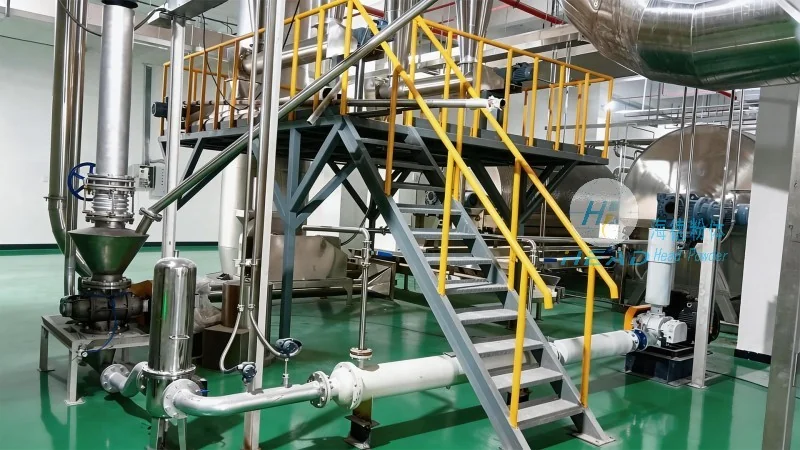
The working principle of the zinc oxide powder handling equipment is based on the principles of material flow and mechanical transport. The hopper provides a stable storage environment, while the feeder controls the flow rate to maintain a consistent output. The conveyor system then transports the powder to the discharge point, utilizing mechanical force or air pressure to move the material. The discharge unit ensures the powder is released without contamination or loss.
The system operates on a closed-loop control mechanism, where sensors provide real-time data to the control unit. The control unit processes this data and adjusts the feeder speed or conveyor speed as needed to maintain the desired flow rate. This closed-loop system ensures that the equipment can adapt to changing production conditions, such as variations in raw material properties or production demand.
Advantages of Using Zinc Oxide Powder Handling Equipment
Investing in specialized powder handling equipment for zinc oxide offers several advantages. Firstly, it improves production efficiency by reducing downtime and increasing throughput. The automated control system minimizes human intervention, leading to consistent and reliable operation. Secondly, it enhances product quality by preventing contamination and maintaining uniform particle size distribution. The equipment is designed to handle fine powders without causing agglomeration or degradation. Thirdly, it ensures safety by preventing dust explosions and providing a dust-free working environment. The sealed design of the hopper and conveyor system reduces the risk of dust exposure, protecting both the material and the operators.
Conclusion
Shandong HeadPowder Engineering Co., Ltd. provides advanced zinc oxide powder handling equipment that combines efficient operation with reliable performance. The equipment is designed to meet the specific needs of industries dealing with zinc oxide powder, ensuring smooth material transport from intake to discharge. By understanding the operation process and working principles of such equipment, users can optimize their production processes and enhance overall productivity. With its commitment to quality and innovation, HeadPowder continues to be a leading provider of powder handling solutions in the industry.




