For manufacturers in the foundry industry, the efficient and reliable transportation of film-coated sand powder is crucial for maintaining production efficiency and product quality. The film-coated sand powder conveying equipment developed by Shandong HeadPowder Engineering Co., Ltd. in China is designed to meet these needs, offering a robust solution for handling this specialized material. This article will delve into the operation process and working principle of this equipment, providing a comprehensive understanding of its functionality and benefits.
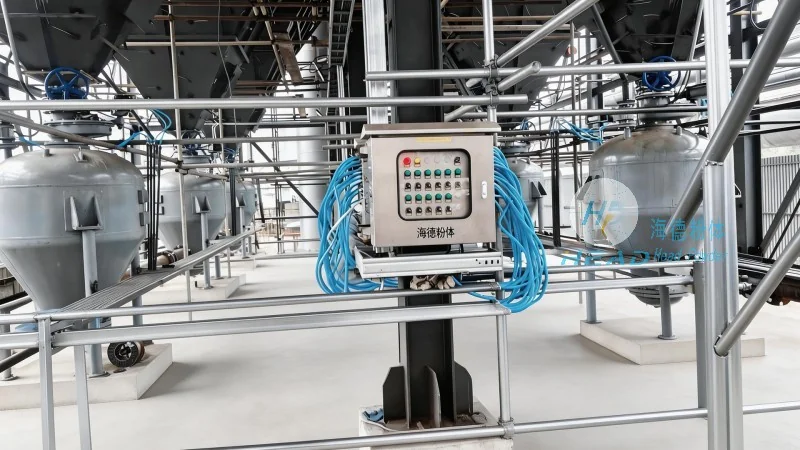
The film-coated sand powder conveying equipment from HeadPowder is engineered to handle the unique properties of film-coated sand, which is widely used in the production of castings. The equipment is designed to ensure minimal dust generation, consistent material flow, and precise control over the conveying process. By integrating advanced technology and durable components, this system addresses the challenges associated with transporting fine powders, such as clogging, segregation, and material loss.
Key Components and Their Roles
The film-coated sand powder conveying equipment typically consists of several key components that work in tandem to achieve efficient material transport. These components include a hopper for material storage, a feeder to regulate the flow rate, a conveyor system (such as a screw or pneumatic conveyor) to move the powder, and a control panel for monitoring and adjusting the operation. Each component plays a critical role in ensuring the smooth and safe operation of the entire system.
The hopper is designed with a large capacity to accommodate bulk quantities of film-coated sand, reducing the need for frequent refills. It is equipped with a lid to prevent dust from escaping and to maintain a controlled environment. The feeder, often a rotary valve or a screw feeder, regulates the flow of sand from the hopper to the conveyor, ensuring a consistent and controlled discharge rate. This prevents overloading the conveyor and maintains stable material flow.
The conveyor system is the core of the equipment, responsible for transporting the film-coated sand from the hopper to the desired destination, such as a mixer or a storage silo. Depending on the specific application, the conveyor may be a screw conveyor, a pneumatic conveyor, or a combination of both. Screw conveyors are commonly used for horizontal or slight incline transport, while pneumatic conveyors are suitable for vertical or long-distance transport. The choice of conveyor type depends on factors like the material's characteristics, the distance to be covered, and the required flow rate.
The control panel is an essential part of the system, allowing operators to monitor and adjust various parameters, including flow rate, pressure, and temperature. It may include sensors to detect material levels, blockages, or abnormal conditions, triggering alarms or automatic shutdowns to prevent equipment damage or material loss. The control panel is designed for easy operation, with intuitive interfaces that enable quick adjustments to optimize the conveying process.
Operation Process: Step-by-Step Guide
The operation of the film-coated sand powder conveying equipment follows a systematic process to ensure efficient and safe material transport. The steps involved are as follows:
1. **Preparation and Setup**: Before starting the operation, the hopper is filled with film-coated sand. The equipment is then connected to the power source and the control panel is checked to ensure all settings are at their default or desired values. The conveyor system is inspected for any blockages or obstructions, and the feeder is adjusted to the appropriate flow rate.
2. **Material Feeding**: Once the hopper is filled and the system is ready, the feeder starts to discharge the film-coated sand into the conveyor. The flow rate is controlled by the operator through the control panel, ensuring a steady and consistent supply of material. The hopper level is monitored to prevent emptying, which could lead to equipment downtime.
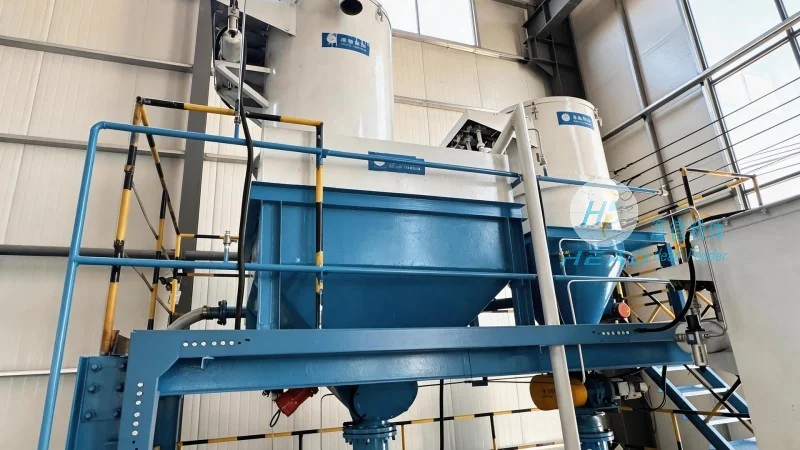
3. **Conveying and Transport**: The conveyor system then transports the film-coated sand from the hopper to the destination. The material moves through the conveyor at a controlled speed, maintaining a uniform flow. The system may include a series of conveyor sections, with each section designed to handle a specific distance or incline. The conveyor is equipped with safety features, such as emergency stop buttons, to ensure operator safety.
4. **Delivery and Dosing**: At the end of the conveyor system, the film-coated sand is delivered to the next stage of the production process, such as a mixer or a storage silo. The delivery rate is controlled by the operator to match the requirements of the downstream equipment. The system may include a dosing mechanism to ensure precise and consistent material addition, which is critical for maintaining product quality.
5. **Monitoring and Maintenance**: Throughout the operation, the control panel monitors the system's performance, including flow rate, pressure, and temperature. Any deviations from the normal operating parameters are detected and reported to the operator. Regular maintenance is performed to ensure the equipment remains in optimal condition, including cleaning the hopper and conveyor, checking for wear and tear, and replacing any worn components.
Working Principle: How It Works
The working principle of the film-coated sand powder conveying equipment is based on the principles of material handling and fluid dynamics. The system uses a combination of mechanical and pneumatic forces to transport the fine powder, ensuring minimal segregation and loss. The key principles involved are as follows:
**Mechanical Conveying**: In mechanical conveyors, such as screw conveyors, the material is moved by the rotation of a screw or auger. The screw is designed with a specific pitch and diameter to ensure the material is pushed forward without excessive pressure. The speed of the screw determines the flow rate of the material, and the angle of the conveyor affects the material's movement. For film-coated sand, a slow and gentle rotation is used to prevent the material from breaking down or becoming compacted.
**Pneumatic Conveying**: Pneumatic conveyors use air pressure to transport the material. The system includes a blower or compressor that generates a high-pressure air stream, which is directed through a pipeline to the hopper. The air stream lifts the film-coated sand and carries it through the pipeline to the destination. The pressure and flow rate of the air are controlled to ensure the material is transported efficiently and without damage. Pneumatic conveyors are particularly effective for vertical or long-distance transport, as they can handle higher flow rates and longer distances compared to mechanical conveyors.
**Air-Solid Separation**: After the material is delivered to the destination, the air and solid particles are separated. The air is released into the atmosphere, while the solid particles are collected in a hopper or silo. The separation process is designed to minimize dust emissions and ensure the material is collected efficiently. The system may include a cyclone separator or a bag filter to capture any fine particles that may be released during the conveying process.
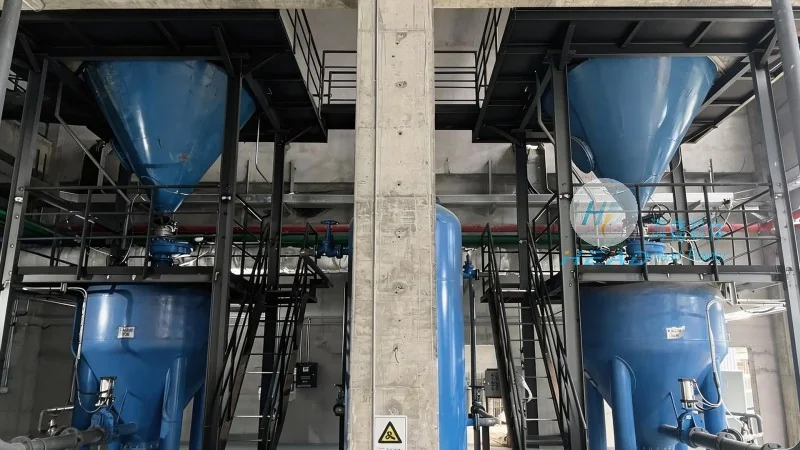
**Control and Regulation**: The entire system is controlled by a programmable logic controller (PLC) or a similar control system. The control system monitors the flow rate, pressure, and temperature of the material and adjusts the operation of the feeder and conveyor as needed. It also includes safety features, such as emergency stop buttons and overload protection, to prevent equipment damage or accidents. The control system is designed to be user-friendly, with intuitive interfaces that enable operators to easily adjust the settings and monitor the system's performance.
Benefits and Applications
The film-coated sand powder conveying equipment from Shandong HeadPowder Engineering Co., Ltd. offers several benefits for foundry manufacturers. These include:
1. **Efficient Material Handling**: The equipment is designed to handle film-coated sand efficiently, ensuring minimal downtime and consistent production rates. The system can handle large quantities of material, reducing the need for frequent refills and improving overall productivity.
2. **Low Dust Emission**: The equipment is equipped with dust control features, such as hoppers with lids and cyclone separators, to minimize dust emissions. This not only improves the working environment but also reduces the risk of respiratory problems for operators.
3. **Precise Control**: The control panel allows operators to precisely control the flow rate and delivery of the film-coated sand, ensuring consistent product quality. This is critical for maintaining the properties of the casting material, such as strength and surface finish.
4. **Durability and Reliability**: The equipment is constructed with durable materials, such as stainless steel and high-quality plastics, to withstand the harsh conditions of the foundry environment. The components are designed for long-term operation, reducing the need for frequent maintenance and repairs.
5. **Versatility**: The equipment can be customized to meet the specific needs of different foundry applications, including horizontal, vertical, and inclined transport. It can also be integrated with other production equipment, such as mixers and storage silos, to form a complete production line.
The film-coated sand powder conveying equipment is widely used in various foundry applications, including the production of castings for automotive, aerospace, and industrial sectors. It is particularly suitable for applications where high-quality casting materials are required, such as in the production of complex or precision parts.




