Shandong HeadPowder Engineering Co., Ltd., a professional manufacturer based in Shandong, China, specializes in the design, production, and supply of advanced powder conveying systems. The company focuses on delivering high-quality equipment tailored to the specific needs of the chemical and industrial sectors, particularly for materials like precipitated barium sulfate.
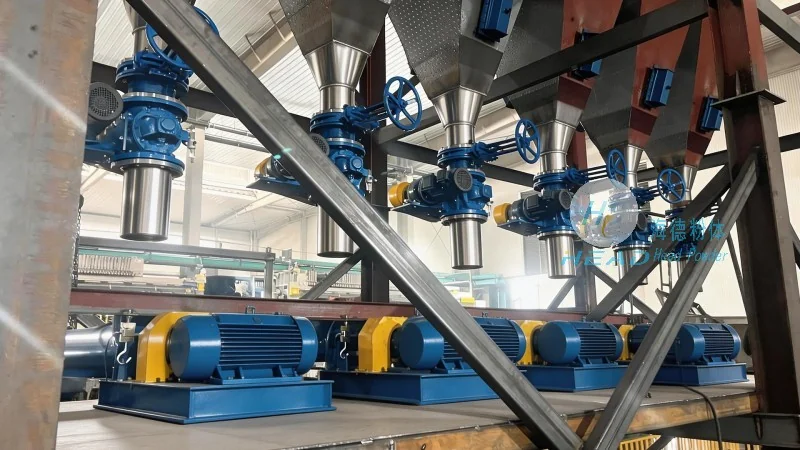
Precipitated Barium Sulfate Powder Conveying Line: An Overview
Precipitated barium sulfate is a widely used industrial material, often employed in applications such as pigments, coatings, and pharmaceuticals. The efficient handling and transportation of this fine powder are critical to maintaining product quality and operational efficiency. The conveying line designed by Shandong HeadPowder Engineering Co., Ltd. addresses these challenges through a robust and reliable system that ensures safe and effective powder transfer.
Operation Process of the Conveying Line
The operation of the precipitated barium sulfate powder conveying line involves several key steps, each designed to optimize the flow of material while minimizing the risk of clogging or degradation. The process begins with the loading of the powder into a hopper or storage silo. From there, the material is fed into a conveyor system, which may include screw conveyors, pneumatic transport lines, or a combination of both, depending on the specific requirements of the application. The conveyor system ensures a consistent and controlled flow of powder, preventing overloading and maintaining uniform particle distribution.
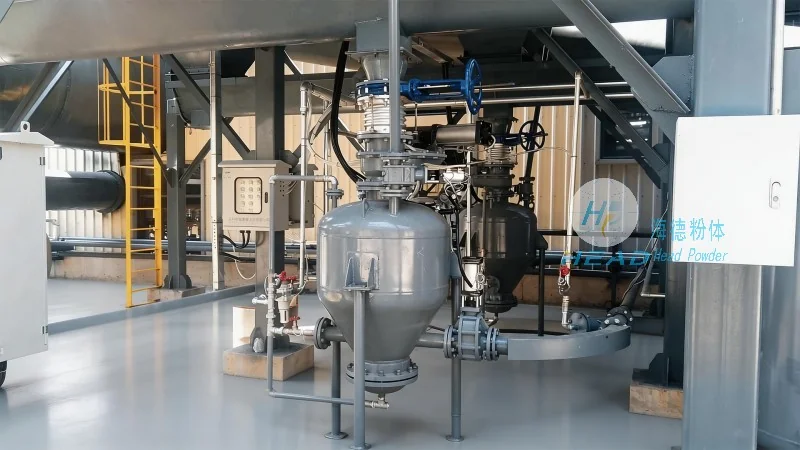
During the conveying process, the line incorporates features such as vibration feeders and rotary valves to regulate the flow rate and prevent blockages. These components work in tandem to ensure that the powder moves smoothly through the system, reaching the discharge point without any loss or degradation. The system is equipped with sensors and monitoring devices that provide real-time data on the flow rate, pressure, and temperature, allowing operators to adjust the process as needed for optimal performance.
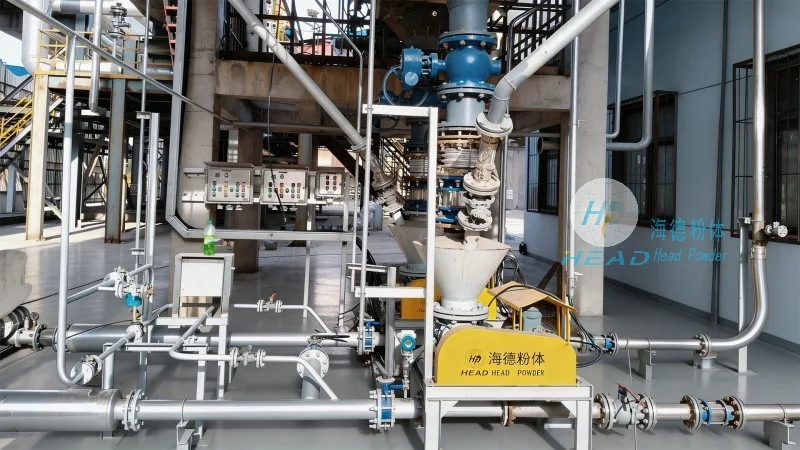
Working Principle of the Conveying Line
The working principle of the precipitated barium sulfate powder conveying line is based on the principles of mechanical and pneumatic transport. The system utilizes a combination of gravity, pressure, and mechanical force to move the powder from the source to the destination. The primary components include a hopper for material storage, a conveyor mechanism (such as a screw or pneumatic line), and control systems to regulate the flow.
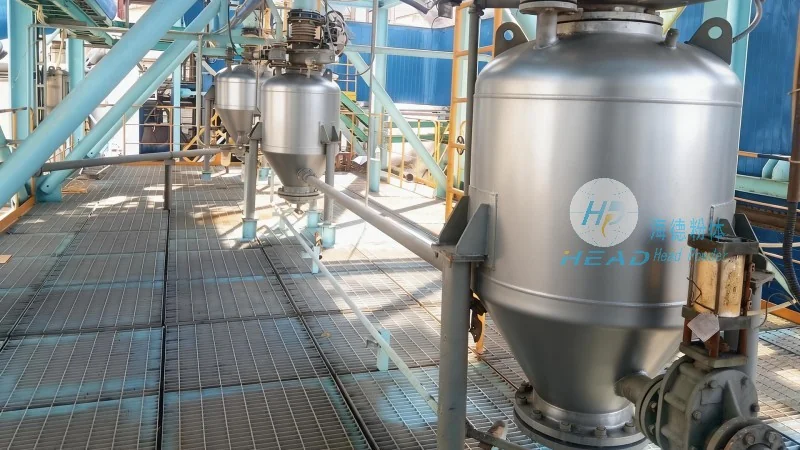
In the mechanical conveying method, a screw or auger rotates inside a tube, pushing the powder forward. This method is suitable for dry, free-flowing powders and provides a continuous flow. The pneumatic conveying method, on the other hand, uses compressed air to create a flow of powder through a pipeline. This approach is ideal for fine powders that are prone to clogging and requires a higher level of control over the flow rate.
The system also incorporates dust collection and filtration systems to maintain a clean and safe working environment. These components capture any airborne particles, ensuring compliance with environmental regulations and protecting the health of operators. The control system integrates all these elements, allowing for automated operation and minimal human intervention, which enhances efficiency and reduces the risk of errors.




