HeadPowder, a leading manufacturer based in Shandong, China, specializes in the design and production of advanced powder conveying systems. This article provides a detailed overview of the operation process and working principle of an unmanned feeding powder conveying machine, highlighting its key components, operational steps, and technical advantages.
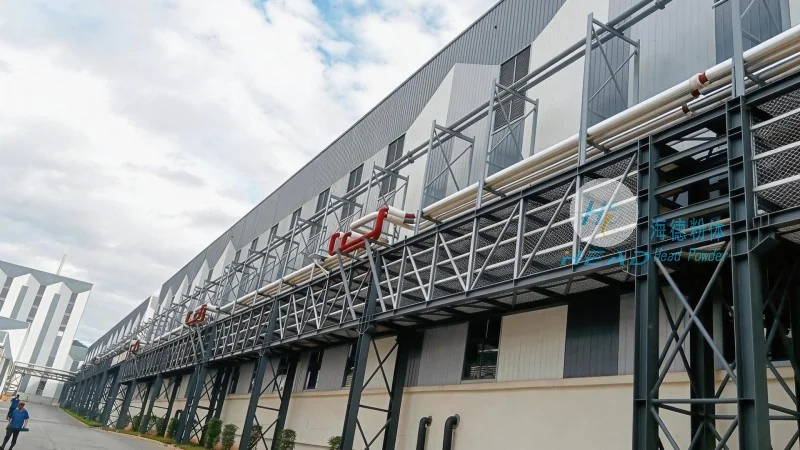
Key Components of the Unmanned Feeding Powder Conveying Machine
The unmanned feeding powder conveying machine is composed of several critical components that work in tandem to ensure efficient and reliable material handling. These components include a hopper for material storage, a feeder mechanism for controlled discharge, a conveying system (such as a screw or pneumatic conveyor), a control unit for automated operation, and safety sensors to prevent malfunctions. Each component is engineered to meet the specific requirements of different powder types and application scenarios, ensuring optimal performance and minimal downtime.
Operation Process of the Unmanned Feeding Powder Conveying Machine
The operation of the unmanned feeding powder conveying machine follows a systematic sequence designed to maintain consistent material flow and prevent interruptions. The process begins with the loading of raw materials into the hopper. Once the hopper is filled, the feeder mechanism activates, controlling the rate of material discharge based on the system's set parameters. The conveyed material is then transported through the conveying system to the target destination, such as a processing unit or storage silo. Throughout the operation, the control unit monitors key parameters like pressure, flow rate, and temperature, adjusting the system as needed to maintain stability. The machine is equipped with safety sensors that automatically shut down the system if any anomalies are detected, ensuring operational safety and preventing material loss.
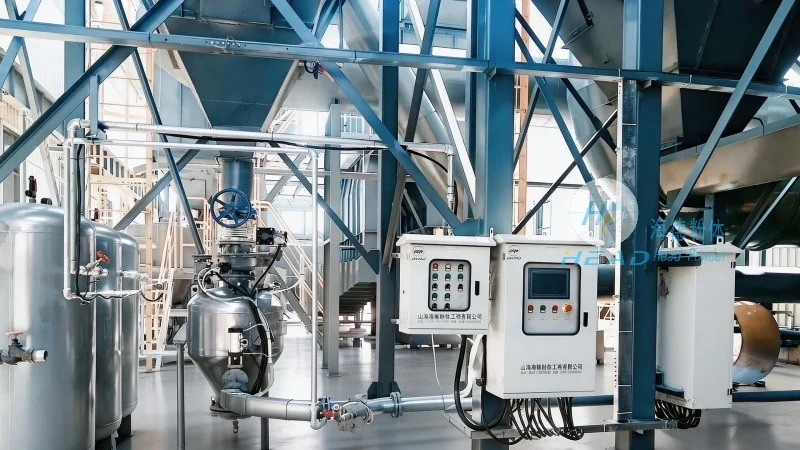
Working Principle of the Unmanned Feeding Powder Conveying Machine
The working principle of the unmanned feeding powder conveying machine is based on the principles of mechanical and pneumatic systems, tailored to handle fine powders with precision. The feeder mechanism, typically a rotary valve or screw feeder, regulates the flow of material from the hopper to the conveying system. This controlled discharge prevents clogging and ensures a steady flow rate, which is crucial for maintaining the integrity of the powder and preventing agglomeration. The conveying system, whether a screw conveyor or a pneumatic pipeline, transports the material to the desired location. In a screw conveyor, the rotating screw pushes the material forward, while in a pneumatic system, compressed air propels the powder through the pipeline. The control unit, often equipped with a programmable logic controller (PLC), manages all operational parameters, including speed, pressure, and timing, to optimize the conveying process. Safety sensors, such as pressure switches and level detectors, provide real-time feedback to the control unit, enabling immediate response to any issues that may arise.
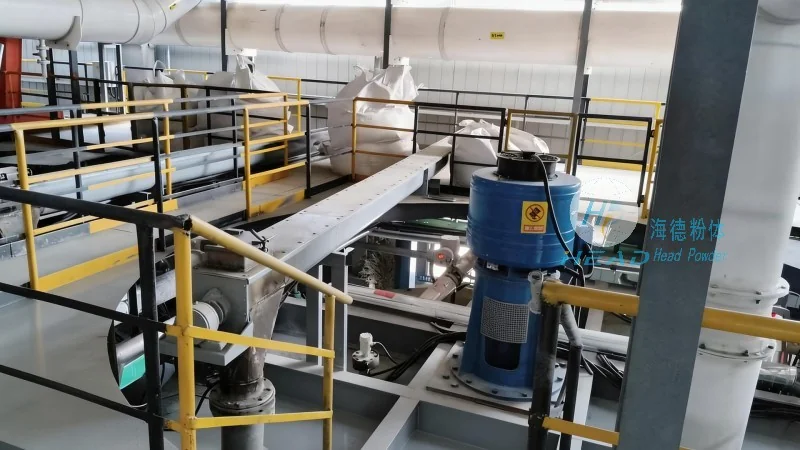
Technical Advantages of the Unmanned Feeding Powder Conveying Machine
The unmanned feeding powder conveying machine offers several technical advantages that make it a preferred choice for industries dealing with fine powders. One of the key advantages is its automation, which reduces the need for manual intervention and minimizes human error. The system operates continuously without the need for constant monitoring, improving productivity and reducing labor costs. Additionally, the machine is designed to handle a wide range of powder types, from dry powders to granules, with minimal maintenance requirements. The use of advanced materials and components ensures durability and long service life, reducing replacement costs over time. The control unit's programmability allows for easy customization to meet specific application needs, such as varying flow rates or adjusting for different powder characteristics. Safety features, including automatic shut-down mechanisms and real-time monitoring, enhance operational safety and compliance with industry standards.
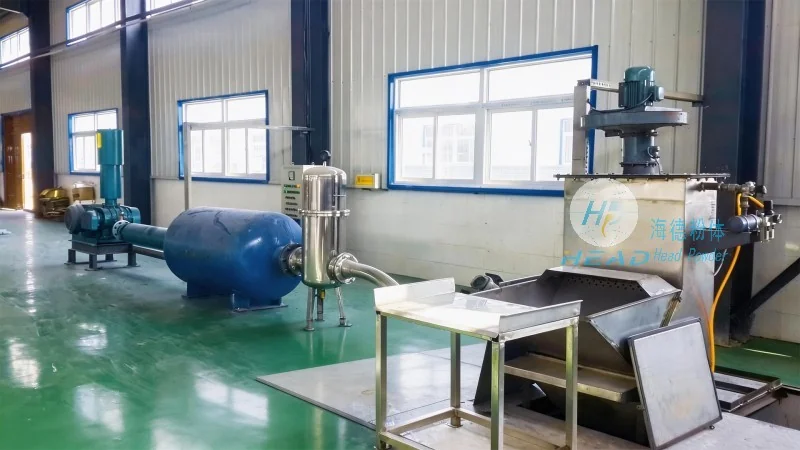
Applications and Industries
The unmanned feeding powder conveying machine is widely used in various industries that require efficient and reliable handling of fine powders. These industries include pharmaceuticals, food processing, chemical manufacturing, and mining. In the pharmaceutical industry, the machine is used to transport active ingredients and excipients with high precision, ensuring consistent quality and preventing contamination. In food processing, it handles ingredients like flour, sugar, and spices, maintaining hygiene and preventing cross-contamination. In chemical manufacturing, the machine transports raw materials and intermediates, supporting continuous production processes. In mining, it is used to convey ore and other materials from storage to processing units, improving operational efficiency. The machine's adaptability to different industries makes it a versatile solution for various material handling challenges.
Conclusion
HeadPowder's unmanned feeding powder conveying machine is a sophisticated and reliable solution for industries requiring efficient and automated powder handling. By understanding its operation process and working principle, users can appreciate the technical advancements that enable consistent performance and minimal downtime. The machine's design, incorporating advanced components and safety features, ensures it meets the demands of modern industrial applications. As a leading manufacturer based in Shandong, China, HeadPowder continues to innovate and provide high-quality powder conveying systems that enhance productivity and operational safety for its clients.




