Aggregate powder conveying equipment, such as those manufactured by Shandong HeadPowder Engineering Co., Ltd., is essential for the efficient handling and transportation of bulk materials in diverse industrial sectors. These systems are engineered to manage materials like aggregates, powders, and granules, ensuring smooth material flow from the source to the destination. Understanding the operation process and working principle of these machines is crucial for optimizing performance, minimizing downtime, and maintaining operational reliability.
Core Components of Aggregate Powder Conveying Systems
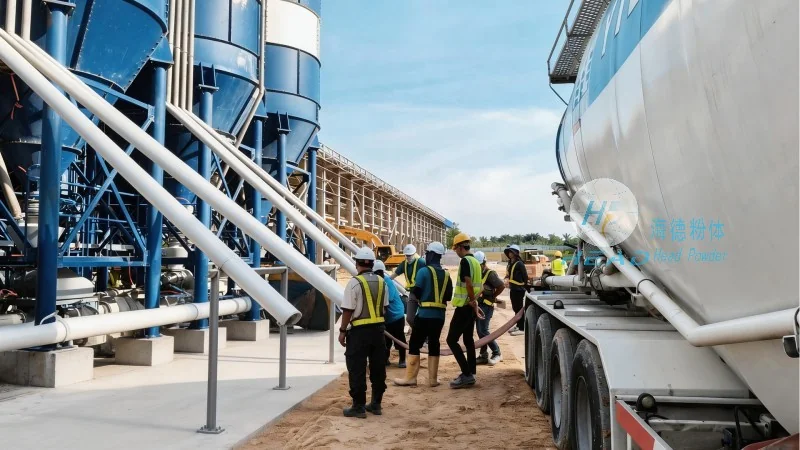
The fundamental components of aggregate powder conveying systems typically include a material hopper for storage, a conveyor mechanism (e.g., screw, pneumatic, or belt conveyors), automated control systems, and discharge mechanisms. The hopper collects and feeds material into the conveyor system. The conveyor mechanism transports material through the system, while control systems regulate speed and direction. The discharge mechanism ensures material is released at the desired location. Each component works in unison to sustain consistent material flow, with minimal human intervention required.
Step-by-Step Operation Process
The operation process of aggregate powder conveying equipment begins with material loading into the hopper. The material is then fed into the conveyor mechanism, which transports it through the system. Control systems monitor flow rates and adjust conveyor speed to maintain consistency. Material is discharged at the system's end, collected for further processing or use. The entire process is automated, enhancing efficiency and reducing labor costs. Regular system checks ensure smooth operation, with adjustments made as needed to address variations in material properties or flow rates.
Working Principle Explained
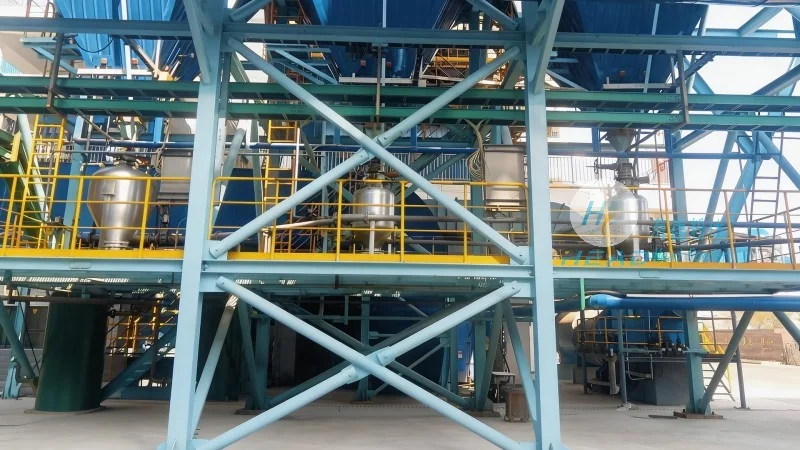
The working principle of aggregate powder conveying systems varies by conveyor type. Screw conveyors utilize a rotating screw to move material along a tube or trough. Pneumatic conveyors employ air pressure to transport material through pipelines. Belt conveyors use a moving belt to carry material from one point to another. Regardless of the mechanism, the core principle is to create a continuous material flow from the source to the destination. The equipment is designed to handle a wide range of materials—fine powders, coarse aggregates, or granules—with minimal degradation or loss. This versatility makes it suitable for applications in construction, mining, and food processing.
Advantages of Using Aggregate Powder Conveying Equipment
Implementing aggregate powder conveying equipment offers several key benefits. It improves material handling efficiency by reducing manual labor and increasing throughput. The automated control systems enhance consistency, minimizing material loss or contamination. The equipment is also space-efficient, making it adaptable to various industrial settings. Additionally, regular maintenance and troubleshooting protocols extend equipment lifespan, ensuring long-term reliability and cost-effectiveness.
Applications in Different Industries
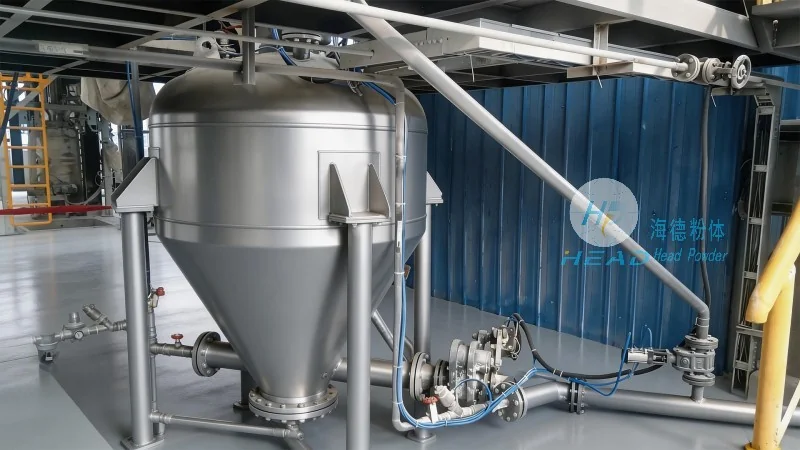
Aggregate powder conveying equipment is widely utilized across multiple industries. In construction, it transports aggregates and cement for concrete production, streamlining material supply chains. In mining, it moves ore and minerals from extraction sites to processing facilities, supporting efficient resource extraction. In food processing, it handles grains, powders, and other food products, ensuring hygienic and consistent material flow. The chemical industry also relies on these systems to transport chemicals and other bulk materials, maintaining safety and operational standards.
Maintenance and Troubleshooting Guidelines
Proper maintenance is critical to sustaining the performance of aggregate powder conveying equipment. Regular tasks include cleaning the hopper and conveyor mechanism to prevent material buildup, inspecting control systems for functionality, and checking the discharge mechanism for proper operation. If issues arise—such as clogging or uneven flow—the system should be stopped immediately for inspection. Common troubleshooting steps involve verifying material feed rates, adjusting conveyor speed, and cleaning the conveyor mechanism. By adhering to these maintenance practices, operators can prevent downtime, extend equipment lifespan, and ensure consistent performance.




