Shandong HeadPowder Engineering Co., Ltd., commonly known as headpowder, specializes in the design, manufacturing, and installation of advanced polyolefin powder conveying systems. With a focus on providing efficient and reliable solutions for powder handling in industrial applications, the company's products are engineered to meet the demanding requirements of various sectors, including chemical, petrochemical, and plastics manufacturing. The company is headquartered in Shandong, China, where it leverages local industrial expertise and resources to deliver high-quality equipment tailored to customer needs.
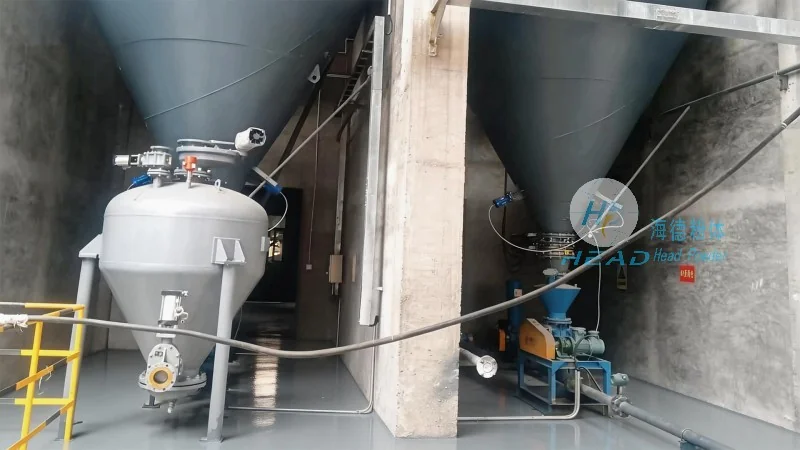
Overview of Polyolefin Powder Conveying Systems
Polyolefin powder conveying systems are critical components in industrial processes that involve the transport of polyolefin powders, such as polyethylene (PE) and polypropylene (PP), from storage to processing units. These systems are designed to handle the unique characteristics of polyolefin powders, which can be abrasive, hygroscopic, or prone to bridging and caking. The primary goal of such systems is to ensure smooth, continuous, and safe powder flow while minimizing material loss and contamination. Key components typically include hoppers, feeders, conveyors (e.g., pneumatic or mechanical), and control systems that regulate the entire operation.
Working Principle of the Conveying System
The working principle of a polyolefin powder conveying system revolves around the controlled movement of powder particles through a series of equipment. The process begins with the storage of polyolefin powder in a hopper, which is equipped with a discharge valve or feeder to regulate the flow rate. The feeder, often a rotary valve or a vibratory feeder, ensures a consistent and controlled discharge of powder into the conveyor system. For pneumatic conveying systems, compressed air is used to create a flow of air and powder mixture, transporting the material through pipelines to the destination. Mechanical conveyors, such as screw conveyors or belt conveyors, rely on mechanical force to move the powder along a path. In both cases, the system is equipped with sensors and control mechanisms to monitor pressure, flow rate, and other parameters, ensuring optimal performance and preventing issues like blockages or overloading.
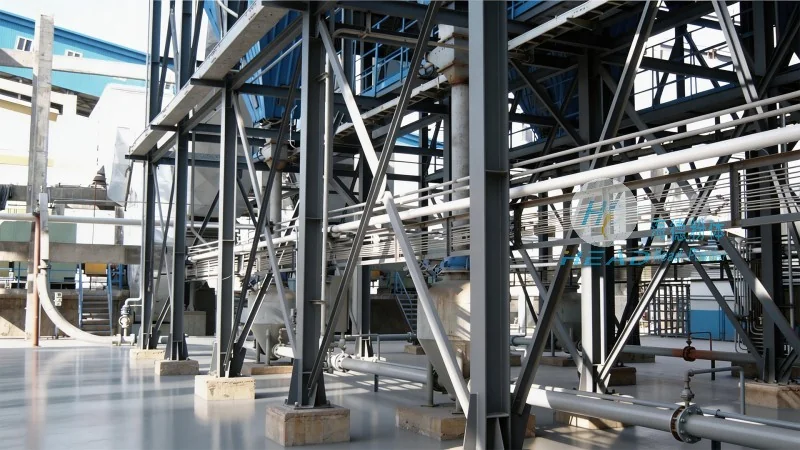
Operation Process: Step-by-Step
The operation of a polyolefin powder conveying system follows a systematic sequence to ensure efficient and safe material transport. The process starts with the preparation of the system, which includes checking the hopper level, verifying the status of the feeder and conveyor, and ensuring that all safety interlocks are active. Once the system is ready, the feeder is activated to start the discharge of powder from the hopper. The powder then enters the conveyor system, where it is transported to the processing unit or storage tank. During the operation, the control system continuously monitors key parameters, such as pressure differentials and flow rates, to detect any deviations from the set points. If an issue is detected, the system automatically adjusts or shuts down to prevent damage to equipment or material loss. The operation continues until the hopper is empty or the required amount of powder has been conveyed, at which point the feeder is stopped, and the system is prepared for the next cycle.
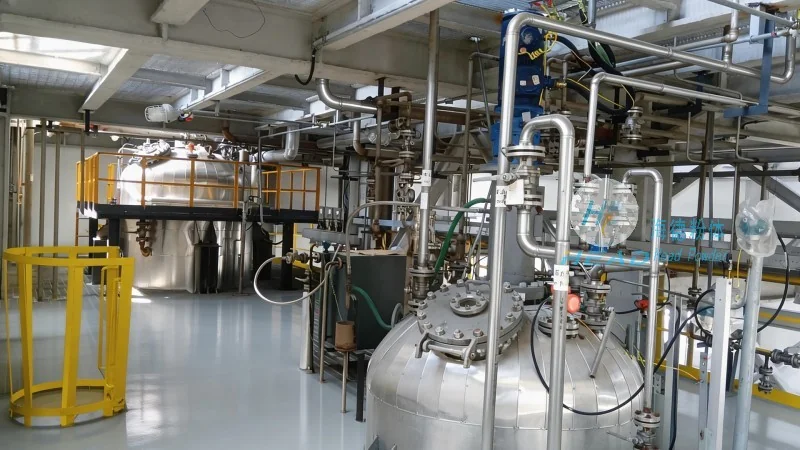
Technical Features and Advantages
Headpowder's polyolefin powder conveying systems are designed with several technical features that enhance performance and reliability. One key feature is the use of corrosion-resistant materials, such as stainless steel or special alloys, to handle the potential chemical interactions with polyolefin powders. The systems also incorporate dust collection and filtration systems to maintain air quality and comply with environmental regulations. Additionally, the equipment is equipped with advanced control systems that allow for remote monitoring and operation, improving operational efficiency and reducing downtime. The design of the conveying lines, including the use of smooth surfaces and appropriate angles, minimizes the risk of powder bridging and caking, ensuring consistent flow. These features collectively contribute to the durability, efficiency, and safety of the system, making it suitable for long-term industrial use.
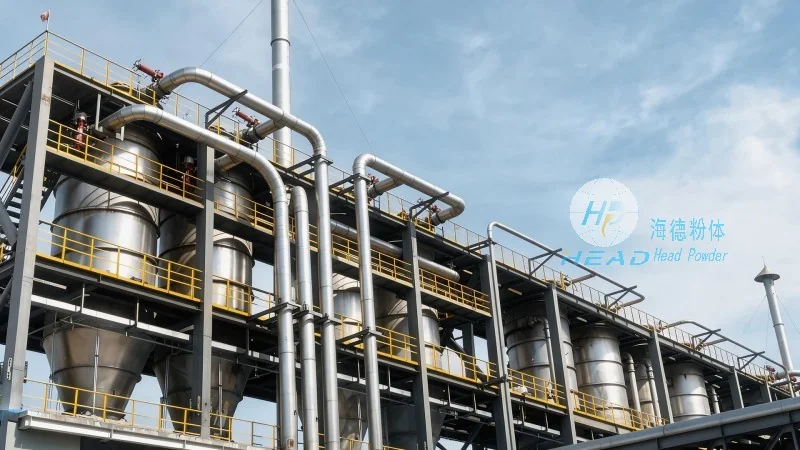
Application Examples
Polyolefin powder conveying systems are widely used in various industrial applications where the handling of polyolefin powders is essential. For example, in plastics manufacturing, these systems are used to transport polyethylene or polypropylene powders from storage silos to extrusion or molding machines. In petrochemical plants, they facilitate the transport of polyolefin powders from reactors to downstream processing units. The systems are also used in chemical processing facilities to handle powders that may be mixed with other chemicals, requiring precise control over flow and temperature. In each application, the system's ability to maintain consistent flow and prevent contamination is critical to the overall efficiency and quality of the production process.
Maintenance and Safety Considerations
Proper maintenance and adherence to safety protocols are essential for the long-term operation of polyolefin powder conveying systems. Regular maintenance includes cleaning the hopper and conveyor lines to prevent buildup of powder, inspecting the feeder and control components for wear and tear, and checking the integrity of the pneumatic system (if applicable). Safety considerations include ensuring that all equipment is properly grounded to prevent electrical hazards, using appropriate personal protective equipment (PPE) when handling powders, and implementing emergency shutdown procedures in case of system failure. By following these maintenance and safety guidelines, users can maximize the lifespan of the equipment and ensure safe operation in industrial environments.




