Efficient and reliable material conveying systems are crucial in various industrial applications, particularly for handling limestone powder and other granular materials. The operation process and working principle of limestone powder granular material conveying systems involve sophisticated engineering and design to ensure optimal performance and safety. This article provides a detailed overview of the key aspects of such systems, focusing on the operational procedures and underlying mechanisms that enable smooth material transport.
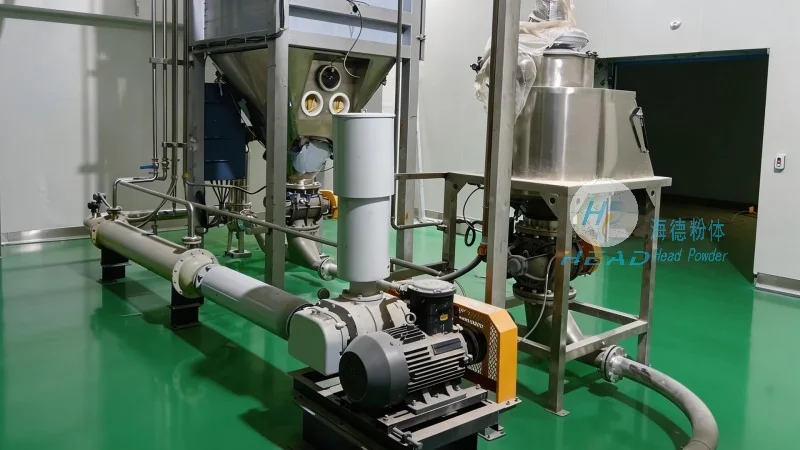
Introduction to Limestone Powder Granular Material Conveying
Limestone powder, a common raw material in industries like cement, construction, and chemical processing, requires specialized conveying solutions due to its fine particle size and potential for dust generation. The headpowder, Shandong HeadPowder Engineering Co., Ltd., based in China, specializes in developing advanced material handling systems tailored to the unique challenges of limestone powder transport. Their expertise lies in designing systems that maintain material integrity, minimize dust emissions, and ensure consistent flow rates, which are critical for downstream processes.
Key Components of the Conveying System
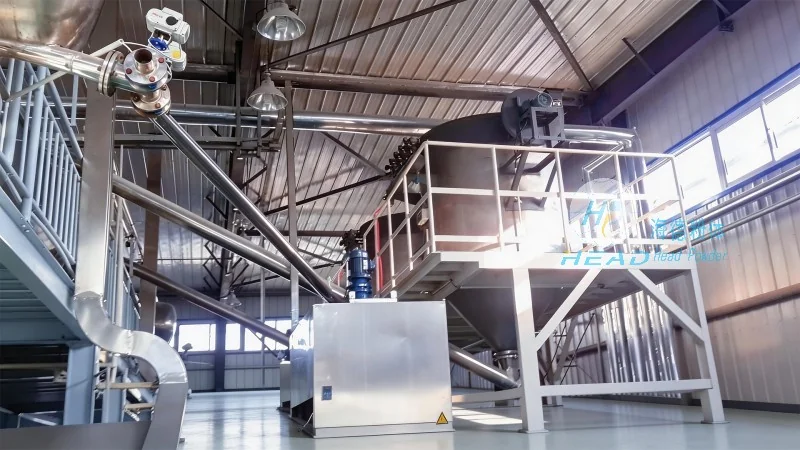
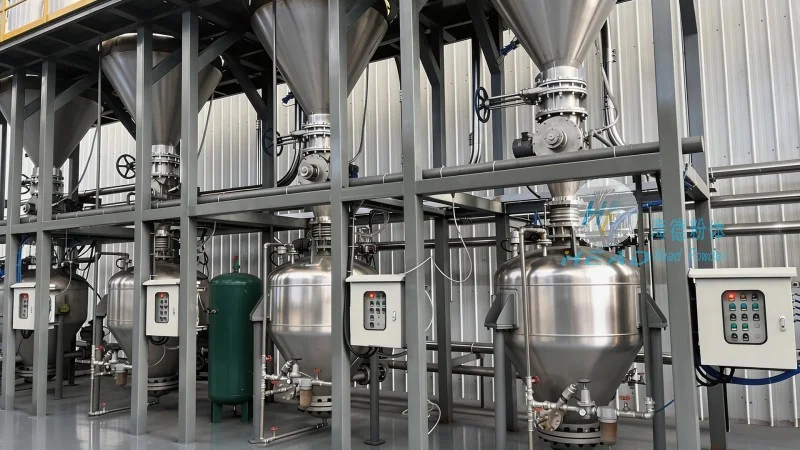
The limestone powder granular material conveying system typically consists of several interconnected components that work in harmony to achieve efficient transport. These components include feed hoppers, conveyor belts or screw conveyors, dust collection systems, and control panels. The feed hopper is responsible for storing and regulating the flow of limestone powder into the system, ensuring a steady supply to the conveyor. The conveyor mechanism, whether a belt conveyor or a screw conveyor, is the core component that moves the material from the feed point to the discharge point. Dust collection systems are integrated to capture and filter airborne particles, maintaining a clean and safe working environment. Control panels allow operators to monitor and adjust the system parameters, such as speed and flow rate, to optimize performance.
Operation Process of the Limestone Powder Conveying System
The operation process of the limestone powder granular material conveying system begins with the loading of limestone powder into the feed hopper. The hopper is designed with a sloped bottom and a discharge valve that controls the rate of material release. As the material accumulates, it flows down the hopper and into the conveyor. The conveyor, driven by a motor, moves the limestone powder along its path. The speed of the conveyor is adjusted based on the required flow rate, which is determined by the downstream processing needs. The material is then discharged from the conveyor into a storage bin or directly to the processing equipment. Throughout the process, the dust collection system continuously operates to capture any airborne particles, preventing dust accumulation and ensuring compliance with environmental regulations.
Working Principle of the Conveying Mechanism
The working principle of the limestone powder granular material conveying system is based on mechanical energy transfer and material flow dynamics. For belt conveyors, the system uses a motor to drive a pulley, which in turn rotates the conveyor belt. The belt is equipped with a series of idlers that support it and maintain proper tension. As the belt moves, the limestone powder is placed on the belt surface and transported along its path due to the friction between the belt and the material particles. The screw conveyor operates on a similar principle but uses a rotating screw to push the material forward. The screw's rotation creates a pressure gradient that propels the material through the conveyor. Both systems rely on precise control of speed and tension to ensure smooth and consistent material transport, minimizing the risk of blockages or material degradation.
Advantages of the Limestone Powder Conveying System
The limestone powder granular material conveying system offers several advantages that make it an ideal choice for industrial applications. One of the primary benefits is its ability to handle fine particles without causing blockages or excessive wear on the equipment. The system's design minimizes dust generation, which is crucial for maintaining a safe and healthy work environment. Additionally, the system can be easily integrated with other processing equipment, allowing for seamless material flow from storage to processing. The headpowder's systems are also known for their energy efficiency and low maintenance requirements, reducing operational costs for industrial facilities. These advantages make the limestone powder conveying system a reliable and cost-effective solution for industries that rely on limestone powder as a key raw material.
Conclusion and Application Scope
In conclusion, the operation process and working principle of limestone powder granular material conveying systems are critical for ensuring efficient and safe material transport in industrial settings. The headpowder, Shandong HeadPowder Engineering Co., Ltd., based in China, provides advanced solutions that address the unique challenges of limestone powder handling. By integrating sophisticated components and control systems, their conveying systems ensure consistent performance, minimal dust emissions, and optimal material flow. These systems are widely used in industries such as cement production, construction material manufacturing, and chemical processing, where reliable material transport is essential for operational success. The continued development and refinement of such systems by headpowder contribute to the efficiency and sustainability of industrial operations worldwide.




