HeadPowder, a leading enterprise in the chemical processing industry, specializes in the design, manufacturing, and implementation of efficient material handling systems for sodium fluorosilicate. This article provides a detailed overview of the operational process and working principles behind the material handling of sodium fluorosilicate, highlighting the technical aspects and practical applications that ensure reliable and safe transportation.
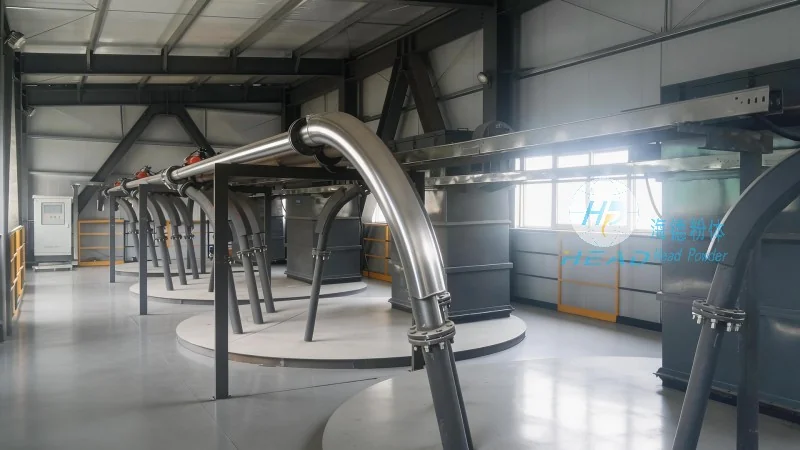
Company Profile: Shandong HeadPowder Engineering Co., Ltd.
HeadPowder, with its headquarters in Shandong, China, is dedicated to delivering high-quality engineering solutions tailored to the specific needs of the chemical sector. The company’s expertise lies in optimizing material handling processes, ensuring that clients achieve maximum efficiency, minimal downtime, and adherence to safety standards. By leveraging advanced technology and a deep understanding of industrial requirements, HeadPowder has established itself as a trusted partner for businesses operating with sodium fluorosilicate and other similar materials.
Introduction to Sodium Fluorosilicate Material Handling
Sodium fluorosilicate (Na₂SiF₆) is a widely used chemical compound in various industrial applications, including water treatment, glass manufacturing, and chemical synthesis. The efficient handling of this material is crucial for maintaining production continuity and ensuring product quality. Material handling systems for sodium fluorosilicate must address unique challenges such as chemical reactivity, dust generation, and the need for precise control over temperature and moisture. This section outlines the key components and operational steps involved in the material handling process.
Key Components of the Material Handling System
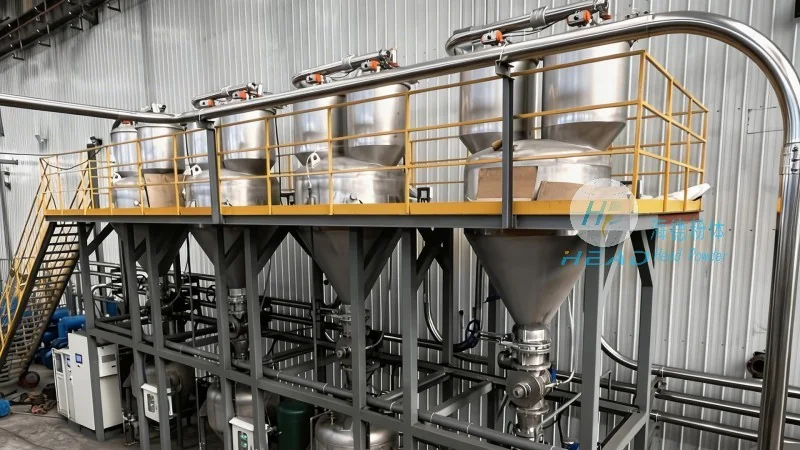
The material handling system for sodium fluorosilicate typically consists of several integrated components designed to facilitate safe and efficient transportation. These components include:
- Storage Silos: Large, airtight silos are used to store bulk quantities of sodium fluorosilicate, minimizing exposure to moisture and air, which can affect the material’s properties.
- Pneumatic Conveying Systems: These systems use compressed air to transport the material from storage silos to processing units. Pneumatic conveyors are preferred for sodium fluorosilicate due to their ability to handle fine powders without generating excessive dust or requiring high maintenance.
- Rotary Valves and Feeders: These devices regulate the flow of sodium fluorosilicate from the storage silos to the conveying lines. Rotary valves provide a controlled, leak-free discharge, while feeders ensure a consistent and uniform flow rate, preventing clogging and maintaining system efficiency.
- Conveying Pipelines: The pipelines are constructed from materials resistant to chemical corrosion, such as stainless steel or special alloys, to prevent degradation from sodium fluorosilicate exposure.
- Control Systems: Advanced control systems monitor and regulate the entire material handling process, ensuring that parameters like pressure, flow rate, and temperature are maintained within optimal ranges. These systems also include safety features to prevent over-pressurization or material blockages.
Operating Process of Sodium Fluorosilicate Material Handling
The operational process of sodium fluorosilicate material handling involves a series of coordinated steps that ensure the material is transported from storage to the point of use. The process begins with the loading of sodium fluorosilicate into the storage silos. Once loaded, the material is prepared for transfer through the pneumatic conveying system. The rotary valve and feeder then regulate the flow of material into the conveying pipeline. Compressed air is introduced into the pipeline, creating a flow that carries the sodium fluorosilicate particles through the system. The material is transported to the processing unit, where it is either mixed with other chemicals or used directly in production. The entire process is monitored by the control system, which adjusts parameters as needed to maintain efficiency and safety.
Working Principles of the Material Handling System
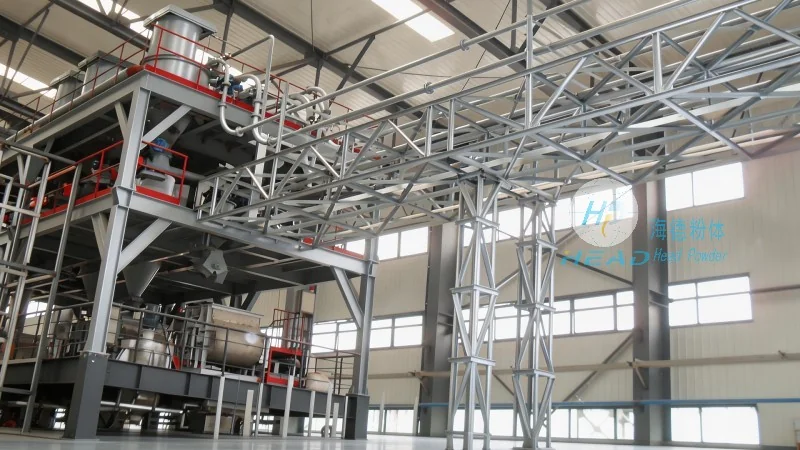
The working principles of the sodium fluorosilicate material handling system are based on the principles of pneumatic conveying and material flow control. The pneumatic conveying system operates by creating a pressure differential between the storage silo and the processing unit. Compressed air is supplied to the conveying line, which draws the sodium fluorosilicate particles into the flow. The velocity of the air is carefully controlled to ensure that the particles are carried without causing excessive wear on the pipelines or equipment. The rotary valve and feeder work in tandem to regulate the flow rate, ensuring that the material is transported at a consistent rate. The control system plays a critical role in maintaining the pressure and flow rates, preventing blockages and ensuring that the system operates smoothly. Safety features, such as pressure relief valves and emergency shut-off mechanisms, are integrated into the system to protect against potential hazards.
Benefits of an Efficient Sodium Fluorosilicate Material Handling System
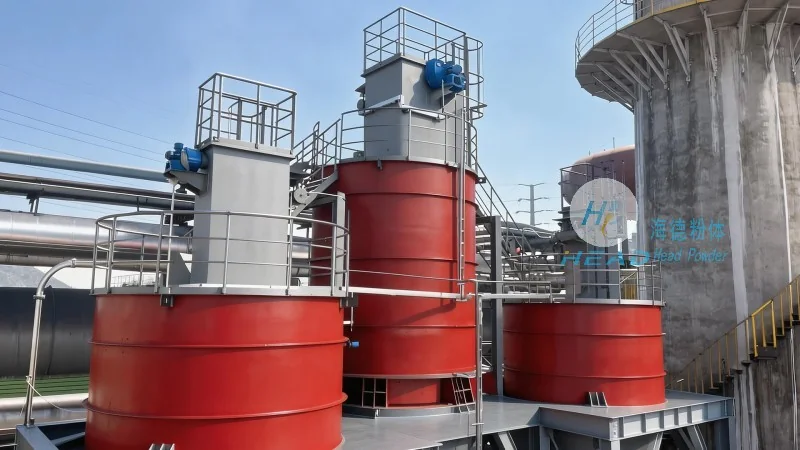
Implementing an efficient material handling system for sodium fluorosilicate offers several key benefits for industrial operations. These include:
- Increased Productivity: By minimizing downtime and ensuring a consistent flow of material, the system enhances overall production efficiency, allowing businesses to meet demand more effectively.
- Improved Safety: The use of airtight storage and controlled conveying reduces the risk of dust exposure and chemical spills, creating a safer working environment for employees.
- Cost Savings: Efficient material handling reduces energy consumption and maintenance costs, leading to long-term financial savings for the company.
- Enhanced Product Quality: Precise control over the flow rate and temperature during material handling ensures that the sodium fluorosilicate remains in optimal condition, resulting in higher quality end products.
Conclusion
HeadPowder Engineering Co., Ltd. provides comprehensive solutions for sodium fluorosilicate material handling, combining advanced technology with expert engineering to meet the diverse needs of the chemical industry. By understanding the operational process and working principles of the material handling system, businesses can optimize their processes, improve safety, and achieve greater efficiency. With its commitment to quality and innovation, HeadPowder continues to be a leader in delivering reliable material handling solutions for sodium fluorosilicate and other critical materials.




