Polystyrene is a widely used thermoplastic polymer in various industrial applications, and efficient material conveying is crucial for its processing and handling. Expandable polystyrene (EPS) material conveying systems are designed to handle this lightweight, low-density material with precision and reliability. This article explores the operation process and working principle of such systems, highlighting key components and operational mechanisms.
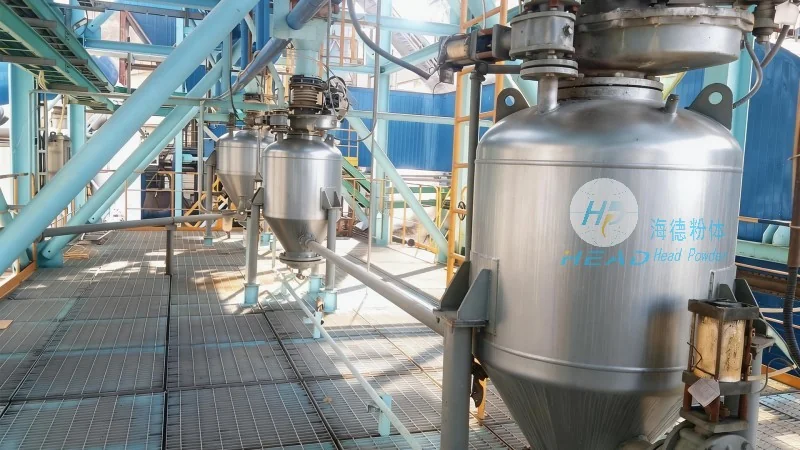
Introduction to Expandable Polystyrene Material Conveying
Expandable polystyrene, commonly known as EPS, is a foam plastic derived from polystyrene resin. It is characterized by its low density, excellent thermal insulation properties, and versatility in applications like packaging, construction insulation, and consumer products. The efficient transportation of EPS from production sites to end-use locations requires specialized conveying systems that can manage the material's unique physical properties. These systems are engineered to ensure minimal material degradation, maintain product integrity, and optimize operational efficiency.
Key Components of the Conveying System
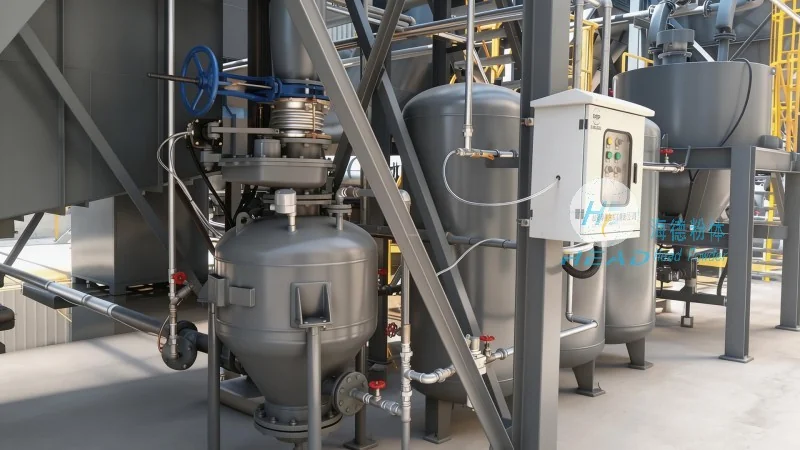
The expandable polystyrene material conveying system typically consists of several critical components that work in tandem to facilitate smooth material transport. The primary components include a hopper or feed hopper for material storage and feeding, a conveyor mechanism (such as a screw conveyor or belt conveyor) for moving the material, a control system for regulating the conveying process, and a discharge mechanism for delivering the material to the next stage of processing or packaging. Each component plays a vital role in ensuring the system operates efficiently and safely.
Operation Process of the Conveying System
The operation process of an expandable polystyrene material conveying system begins with the loading of raw polystyrene material into the hopper. The material is then fed into the conveyor mechanism, which moves it through the system. The screw conveyor, for instance, uses rotating screws to push the material forward, while the belt conveyor relies on a moving belt to transport the material. The control system monitors the flow rate, pressure, and other parameters to maintain optimal operation. As the material moves through the conveyor, it is gradually discharged at the end of the system, ready for further processing or packaging.
Working Principle of the Conveying System
The working principle of the expandable polystyrene material conveying system is based on mechanical energy transfer and material flow dynamics. The system utilizes gravity and mechanical force to move the lightweight EPS material from the hopper to the discharge point. The screw conveyor, for example, converts rotational energy into linear motion, pushing the material forward. The belt conveyor, on the other hand, relies on friction between the belt and the material to move it along the path. The control system adjusts the speed and torque of the conveyor to maintain a consistent flow rate, preventing material buildup or blockages. This integrated approach ensures that the material is conveyed efficiently without causing damage to the EPS particles.
Benefits of Using Expandable Polystyrene Material Conveying Systems
Implementing an expandable polystyrene material conveying system offers several benefits for industrial operations. Firstly, it enhances material handling efficiency by reducing manual labor and minimizing material loss. The system's design minimizes the risk of material degradation, ensuring that the EPS maintains its desired properties throughout the conveying process. Additionally, the automated control system improves operational consistency and reduces the likelihood of human error. The system also contributes to better workplace safety by eliminating the need for manual handling of bulk materials, which can be cumbersome and hazardous.
Application Examples and Industry Use Cases
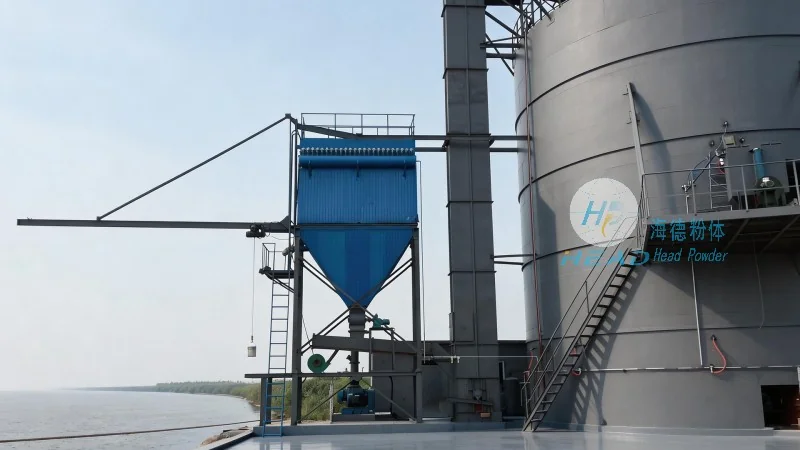
Expandable polystyrene material conveying systems are widely used in various industries, particularly in the manufacturing and packaging sectors. In the construction industry, EPS is used as insulation material, and the conveying system ensures that the material is transported from the production plant to construction sites without damage. In the packaging industry, EPS is used for protective packaging, and the system facilitates the movement of finished products from the production line to storage or shipping areas. The versatility of the conveying system makes it suitable for a range of applications, from small-scale production to large-scale industrial operations.
Maintenance and Operational Considerations
To ensure the longevity and efficiency of the expandable polystyrene material conveying system, regular maintenance is essential. This includes cleaning the hopper and conveyor components to prevent material buildup, lubricating moving parts to reduce friction, and inspecting the control system for any malfunctions. Operational considerations also include monitoring the material flow rate and adjusting the system settings as needed to accommodate changes in material properties or production volume. Proper maintenance and operational management are crucial for maximizing the system's performance and minimizing downtime.
Conclusion
In conclusion, the operation process and working principle of expandable polystyrene material conveying systems are critical for efficient material handling in industrial applications. These systems are designed to manage the unique properties of EPS, ensuring minimal degradation and optimal transport. By understanding the key components, operation process, and working principles, industrial operators can select and maintain effective conveying systems that enhance productivity and product quality. The implementation of such systems contributes to better operational efficiency, workplace safety, and overall cost-effectiveness in the handling of expandable polystyrene materials.




