Shandong HeadPowder Engineering Co., Ltd., located in Shandong, China, specializes in the design, manufacturing, and implementation of efficient material handling systems tailored for the processing of bean powder. This system is engineered to ensure smooth, reliable, and safe transportation of bean powder from storage to processing units, or from processing stages to packaging areas. The system integrates advanced components and control mechanisms to optimize operational efficiency while maintaining product quality and integrity.
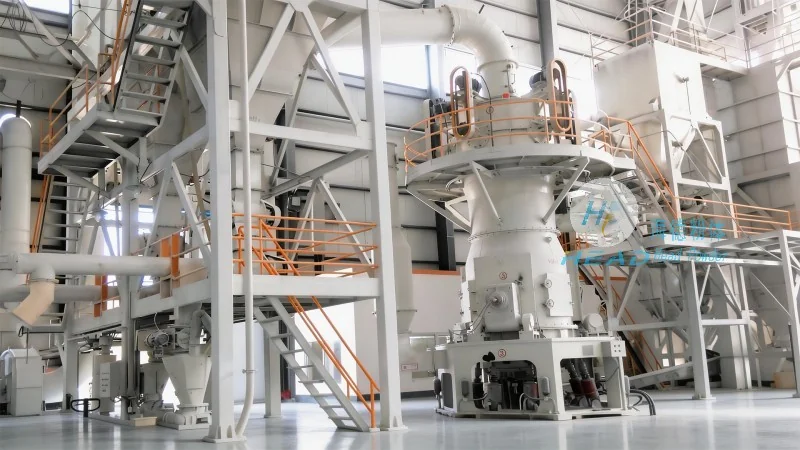
Key Components of the Material Handling System
The bean powder material handling system typically comprises several critical components that work in tandem to facilitate seamless material flow. These include bulk storage silos or hoppers for initial storage, conveying equipment such as screw conveyors, belt conveyors, or pneumatic systems for transporting the powder, and control panels for monitoring and regulating the process. Each component is selected based on the specific characteristics of the bean powder, including its density, moisture content, and flowability, to ensure optimal performance.
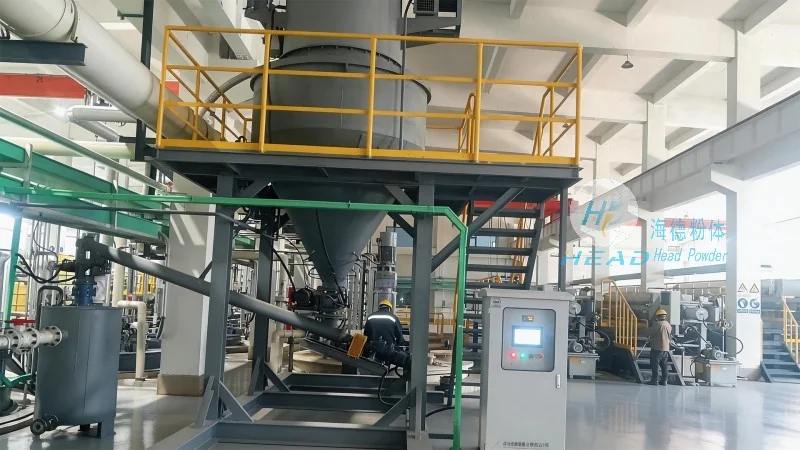
System Operation Process
The operation of the bean powder material handling system begins with the loading of bean powder into the storage silo or hopper. The powder is then discharged from the storage vessel into the conveying system through a controlled valve or feeder. The conveying equipment moves the powder along the designated path, either vertically or horizontally, depending on the layout of the processing facility. During transport, the system may incorporate features like air filtration to prevent dust accumulation and maintain a clean working environment. The powder is then discharged into the next processing unit or packaging area, where it is further processed or prepared for distribution.
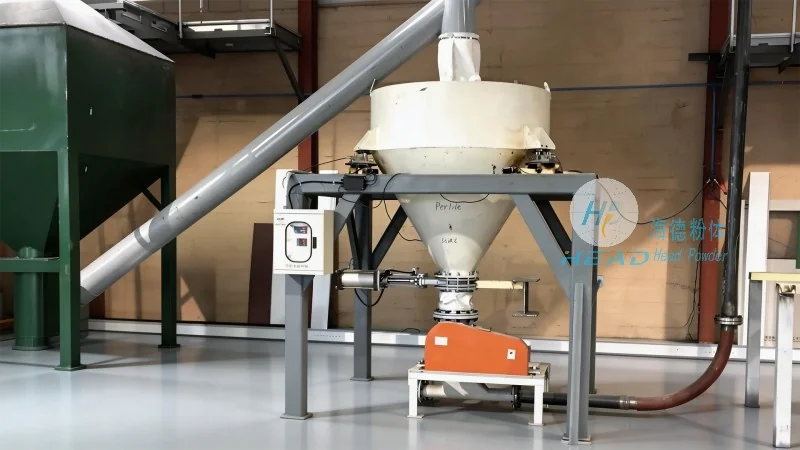
Working Principle of the Material Handling System
The working principle of the bean powder material handling system is based on the principles of mechanical and pneumatic transport. For mechanical conveyors, such as screw or belt conveyors, the system relies on the rotation of screws or the movement of belts to propel the powder forward. The screw conveyor, for instance, uses a rotating helical screw to push the powder along the trough, while the belt conveyor uses a moving belt to transport the material. Pneumatic systems, on the other hand, utilize compressed air to create a flow of air that carries the powder particles through a pipeline. The system is equipped with pressure regulators and filters to maintain consistent air pressure and prevent contamination. The control system monitors various parameters, including flow rate, pressure, and temperature, to ensure the system operates within safe and efficient limits. Sensors and alarms are integrated to detect any anomalies, such as blockages or overloads, and trigger appropriate responses to prevent system downtime or product damage.
Advantages of the Bean Powder Material Handling System
The bean powder material handling system offers several advantages that enhance operational efficiency and product quality. Firstly, it minimizes manual handling, reducing the risk of contamination and improving workplace safety. The automated conveying process ensures consistent flow rates, which helps maintain product uniformity and prevent segregation. Secondly, the system optimizes energy consumption by using energy-efficient components and control strategies. The integration of air filtration and dust control measures maintains a clean environment, which is crucial for maintaining the quality of bean powder, especially for products intended for human consumption. Additionally, the system is designed for easy maintenance and scalability, allowing it to adapt to changes in production volume or processing requirements.
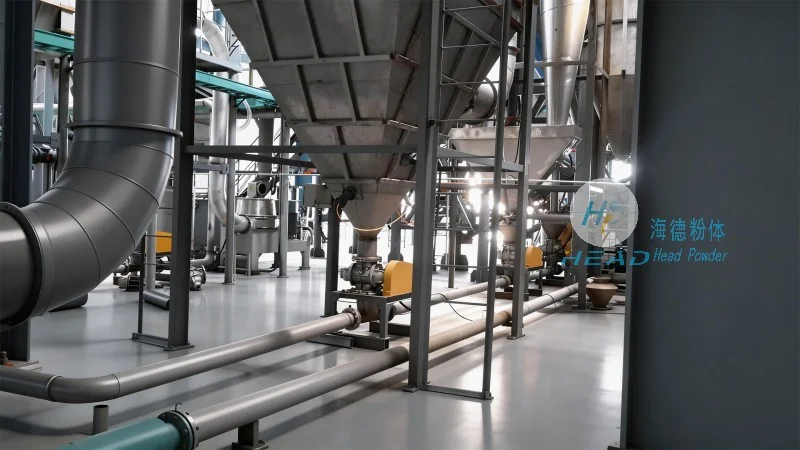
Application Scenarios
The bean powder material handling system is widely used in various industries, including food processing, pharmaceuticals, and chemical manufacturing. In the food industry, it is commonly employed in the processing of soybean powder, peanut powder, and other legume-based products. The system ensures that the powder is transported safely and efficiently from the grinding or milling stage to the packaging line, maintaining the nutritional value and flavor of the product. In the pharmaceutical industry, the system is used to handle powdered ingredients for drug formulations, where precision and cleanliness are paramount. The system's ability to maintain a sterile environment and prevent cross-contamination makes it suitable for pharmaceutical applications. In the chemical industry, it is used for the transport of powdered chemicals, where the system's robust design and ability to handle abrasive materials are essential.




