The fermented grain material conveying line is a critical component in the production of traditional alcoholic beverages, particularly in the preparation of liquor fermentation materials. This system is designed to efficiently transport raw materials, such as grains, through various processing stages with precision and reliability. The following sections detail the operation process and working principle of this equipment, highlighting its role in optimizing production workflows.
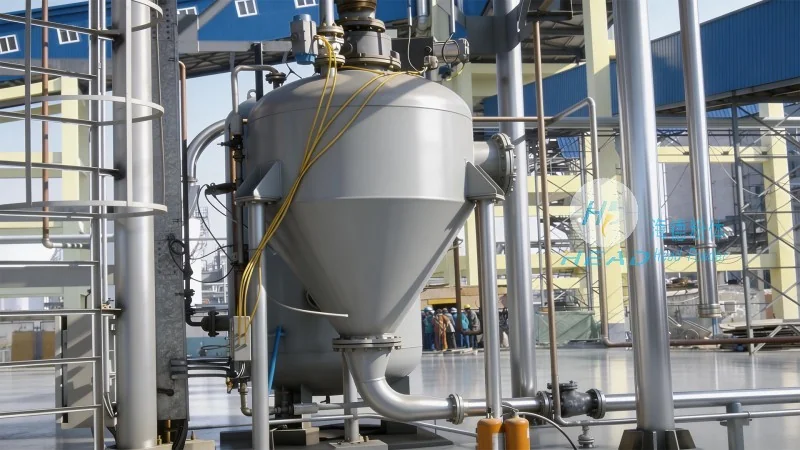
Overview of the Fermented Grain Material Conveying Line
Manufactured by Shandong HeadPowder Engineering Co., Ltd., a leading provider in the field, the fermented grain material conveying line integrates advanced engineering solutions tailored to the specific demands of liquor production. The system is built to handle diverse raw materials, including rice, wheat, and other grains, ensuring consistent quality and uniform processing. Each component of the line is carefully engineered to work in harmony, from the initial material intake to the final discharge, creating a seamless production flow.
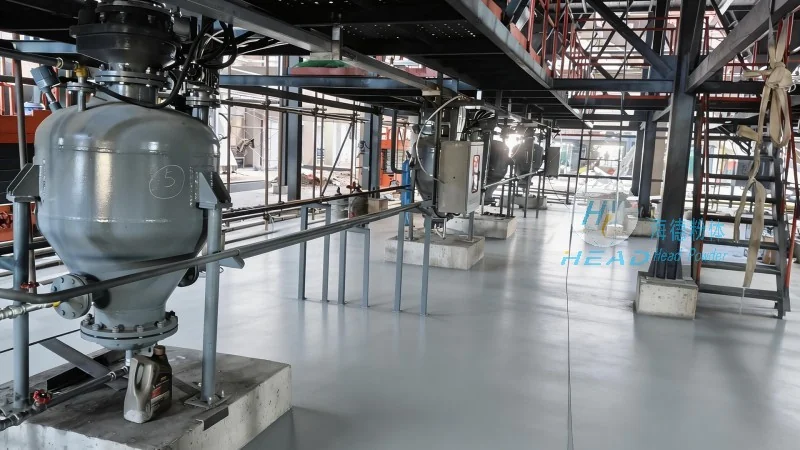
Key Components and Their Functions
The conveying line typically consists of several key components, each playing a vital role in the overall operation. These include hoppers for material storage, conveyor belts or screw conveyors for horizontal and vertical transport, feeding mechanisms to regulate material flow, and control systems to monitor and adjust the process. The hoppers are designed with airtight seals to prevent contamination and maintain material integrity, while the conveyor systems are equipped with variable speed drives to adapt to different material types and processing requirements. The feeding mechanisms, often equipped with adjustable valves or gates, ensure a controlled and steady flow of materials into the subsequent processing units.
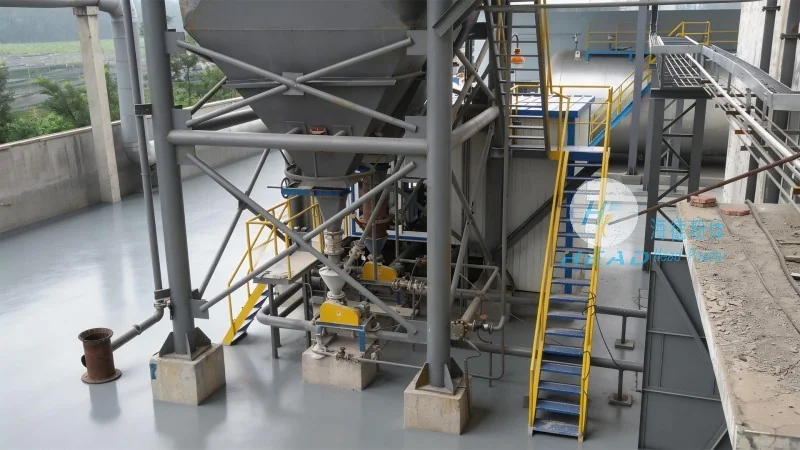
Operation Process: Step-by-Step Breakdown
The operation of the fermented grain material conveying line follows a systematic sequence of steps, each designed to ensure efficient material handling and preparation for fermentation. The process begins with the loading of raw grains into the primary hopper. From there, the material is transferred to the conveyor system, which moves it to the next processing stage, such as a milling or cleaning unit. The conveyor belts or screw conveyors are capable of handling both dry and slightly moist materials, maintaining the integrity of the grains during transport. Once the material reaches the processing unit, it is further prepared according to the specific requirements of the liquor production process. The system is equipped with sensors and monitoring devices that track the flow rate and material level, providing real-time data to operators for adjustments.
Working Principle: Mechanical and Control Systems
The working principle of the fermented grain material conveying line is based on mechanical and electrical control systems that work together to ensure smooth operation. The mechanical components, such as conveyor belts and screw mechanisms, are driven by electric motors that provide the necessary power for material transport. The control systems, often integrated with programmable logic controllers (PLCs), manage the operation of each component, ensuring synchronization and optimal performance. Sensors are strategically placed throughout the line to detect material levels, blockages, or abnormalities, triggering automatic responses to prevent downtime. The control panel allows operators to monitor and adjust parameters such as speed, flow rate, and temperature, ensuring that the process remains within the desired parameters. This integration of mechanical and electronic systems enables the conveying line to operate with high efficiency and minimal human intervention, reducing labor costs and improving production consistency.
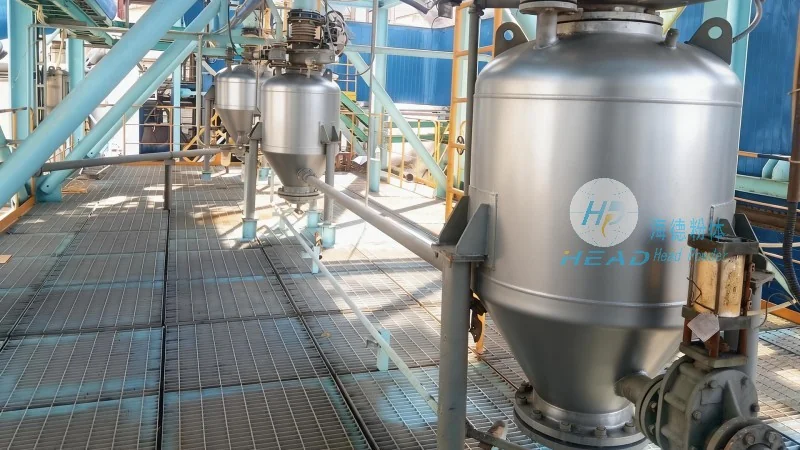
Benefits and Applications in Liquor Production
The fermented grain material conveying line offers several benefits that enhance the efficiency and quality of liquor production. By automating the material handling process, it reduces the risk of human error and improves the consistency of the final product. The system’s ability to handle various grain types and adjust to different processing requirements makes it versatile and adaptable to different production scales. Additionally, the integration of monitoring and control systems allows for real-time optimization, minimizing waste and maximizing resource utilization. In the context of Shandong HeadPowder Engineering Co., Ltd., this equipment is a testament to their commitment to providing high-quality, reliable solutions for the liquor industry, supporting manufacturers in achieving consistent and efficient production processes.




