Plastic powder material conveying lines are essential industrial systems designed to transport plastic powders efficiently and safely. These systems are widely used in various industries, including plastics manufacturing, chemical processing, and material handling. The design and operation of these lines are critical for ensuring consistent material flow, minimizing dust generation, and maintaining product quality. In this article, we will explore the operation process and working principles of plastic powder material conveying lines, with a focus on the expertise of Shandong HeadPowder Engineering Co., Ltd., a leading provider in the field.
Key Components of Plastic Powder Conveying Systems
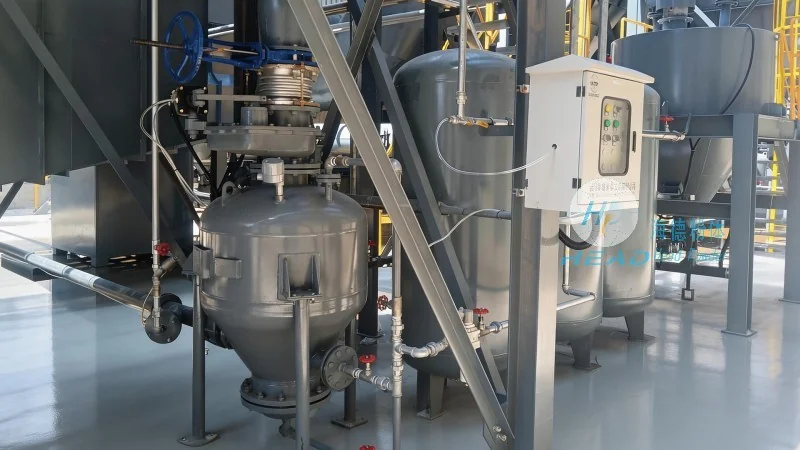
Effective plastic powder conveying lines consist of several key components that work in tandem to achieve reliable material transport. These components typically include hoppers for material storage, feeders to control the flow rate, conveying mechanisms such as screw conveyors or pneumatic systems, and control systems to monitor and adjust operations. Each component plays a vital role in ensuring the smooth and efficient movement of plastic powders from the source to the destination. The choice of components depends on factors like material properties, required throughput, and environmental considerations.
Operation Process of Plastic Powder Conveying Lines
The operation process of a plastic powder material conveying line involves several sequential steps. First, the plastic powder is loaded into the hopper, where it is stored until needed. The feeder then regulates the flow of material into the conveying mechanism. Depending on the system design, the conveying may be achieved through mechanical means, such as screw or belt conveyors, or through pneumatic systems that use air pressure to move the powder. The conveying mechanism transports the powder through a pipeline to the discharge point, where it is collected or further processed. Throughout this process, the control system continuously monitors parameters like flow rate, pressure, and temperature to ensure optimal performance and prevent issues like blockages or overloading. The entire operation is designed to be automated, reducing the need for manual intervention and enhancing operational efficiency.
Working Principles of Plastic Powder Conveying Lines
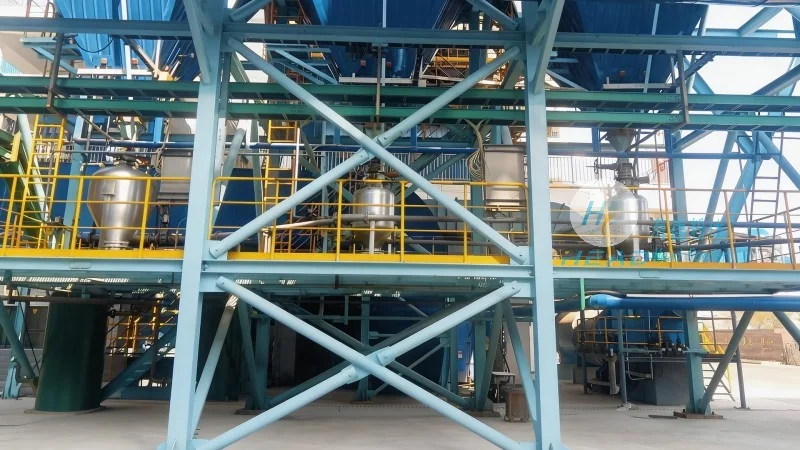
The working principles of plastic powder material conveying lines are based on fundamental physics and engineering principles. For mechanical conveying systems, the primary principle is the use of mechanical force to move the material. Screw conveyors, for example, use rotating screws to push the powder forward, while belt conveyors rely on friction between the belt and the material to achieve transport. In pneumatic conveying systems, the principle is the use of compressed air to create a flow of air and powder mixture through the pipeline. The air pressure and velocity are carefully controlled to ensure the powder is carried efficiently without causing excessive wear or degradation. The design of the conveying line, including the angle of the pipeline and the size of the components, is critical to maintaining the flow of powder and preventing clogging. Additionally, the system may incorporate features like air filtration and dust collection to ensure compliance with environmental regulations and maintain a safe working environment.
Advantages of Plastic Powder Conveying Lines
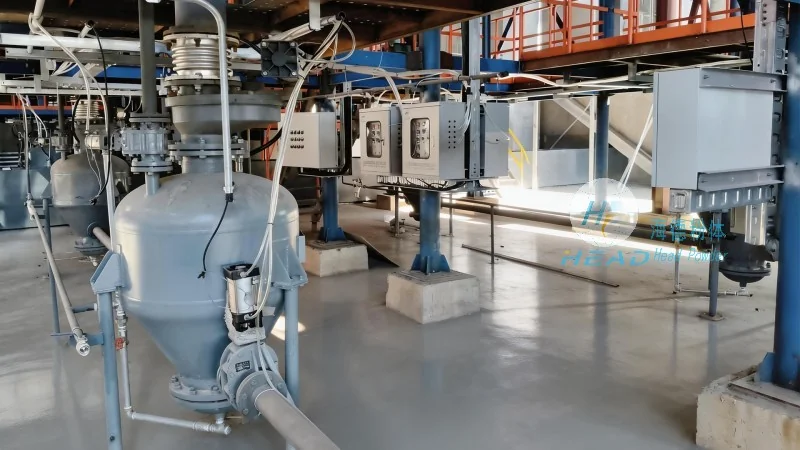
Plastic powder material conveying lines offer numerous advantages over traditional manual handling methods. These systems provide consistent and reliable material flow, reducing variability in processing and improving product quality. By automating the transport process, they minimize the risk of human error and enhance operational safety. The enclosed design of many conveying systems helps to contain dust and prevent contamination, which is particularly important for food-grade or pharmaceutical-grade plastic powders. Additionally, these systems can be integrated with other processing equipment, such as mixers or extruders, to create a seamless production line. The energy efficiency of modern conveying systems also contributes to cost savings and reduced environmental impact. Overall, plastic powder conveying lines are a vital component of modern industrial operations, enabling efficient and safe material handling.
Applications in Different Industries
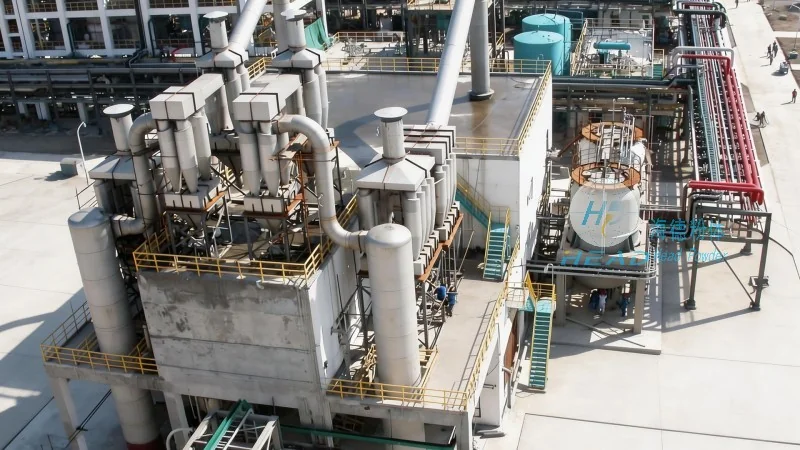
Plastic powder material conveying lines are used in a wide range of industries due to their versatility and adaptability. In the plastics manufacturing industry, these systems are essential for transporting raw materials to processing equipment like extruders and injection molding machines. In chemical processing, they are used to move plastic powders between storage tanks and reactors. The food and beverage industry also utilizes these systems for handling food-grade plastic powders, ensuring hygienic and safe transport. Additionally, in the pharmaceutical industry, specialized conveying lines are used to transport powders that require strict contamination control. The ability to customize the system to meet specific industry requirements makes plastic powder conveying lines a preferred choice for many applications.
Maintenance and Troubleshooting of Conveying Lines
Proper maintenance is crucial for ensuring the long-term performance and reliability of plastic powder material conveying lines. Regular maintenance tasks include cleaning the hopper and pipeline to prevent material buildup, inspecting and replacing worn components like bearings and seals, and checking the performance of the control system. Common issues that may arise include blockages, which can be caused by material bridging or excessive moisture, and air leaks, which can reduce the efficiency of pneumatic systems. Troubleshooting these issues typically involves checking the flow rate, pressure, and temperature readings, and adjusting the system parameters as needed. In some cases, the use of cleaning agents or mechanical tools may be required to clear blockages. By implementing a regular maintenance schedule and addressing issues promptly, operators can minimize downtime and ensure the continuous operation of the conveying line.




