Phenolic powder material conveying lines are critical components in industrial settings, particularly for the efficient handling and transportation of phenolic powders. These systems are designed to ensure safe, reliable, and efficient material flow from storage to processing units. The operation process and working principle of such lines involve several key stages and mechanisms that work in tandem to achieve optimal performance.
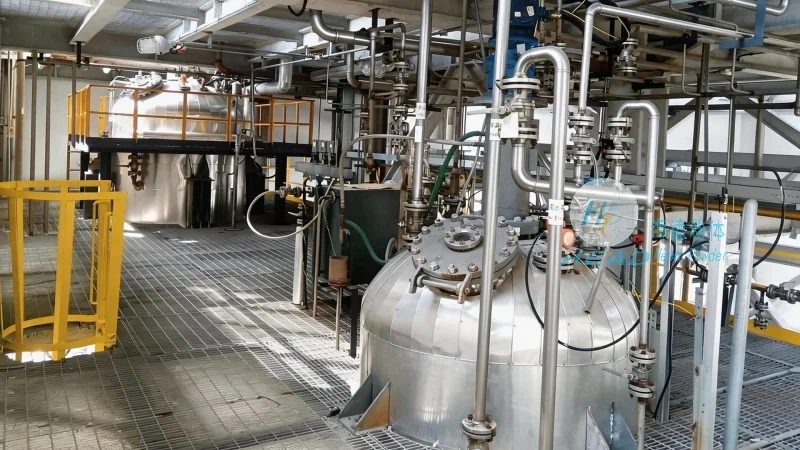
Overview of Phenolic Powder Conveying Systems
Phenolic powder conveying lines typically consist of a series of interconnected components, including hoppers, feeders, conveyors, and control systems. The primary function is to move phenolic powders from storage silos or containers to processing equipment like mixers, extruders, or molding machines. The design of these systems is tailored to the specific properties of phenolic powders, which are often fine, abrasive, and prone to static electricity. This necessitates specialized equipment to prevent material buildup, ensure uniform flow, and maintain product integrity.
Key Components and Their Roles
1. Hoppers and Storage: The conveying line begins with a hopper or storage silo where phenolic powders are stored. These containers are designed with smooth, non-stick surfaces to minimize powder adhesion and are equipped with level sensors to monitor inventory levels. The hopper is connected to a feeder, which regulates the flow of material into the conveyor system.
2. Feeders: Feeders are crucial for controlling the rate of material discharge from the hopper. Common types include rotary valves, vibratory feeders, and screw feeders. For phenolic powders, rotary valves are often preferred due to their ability to handle fine powders without causing excessive wear or clogging. The feeder ensures a consistent and controlled flow rate, which is essential for maintaining stable operation in downstream processes.
3. Conveyors: The conveyor system is the core of the phenolic powder conveying line. It can be a belt conveyor, screw conveyor, or pneumatic conveyor, depending on the application and material characteristics. Belt conveyors are widely used for horizontal or slight incline transport, while screw conveyors are suitable for vertical or inclined transport due to their self-priming capability. Pneumatic conveyors use air pressure to transport powders, which is effective for fine powders but requires careful control of air pressure and flow to prevent material degradation.
4. Control Systems: Modern phenolic powder conveying lines are equipped with advanced control systems that monitor and regulate various parameters. These systems include sensors for level, flow rate, temperature, and pressure, as well as programmable logic controllers (PLCs) that adjust feeder speeds, conveyor speeds, and other variables based on real-time conditions. This automation ensures optimal performance, reduces downtime, and enhances safety by preventing overfilling or underfilling.
Operation Process: Step-by-Step
The operation of a phenolic powder conveying line follows a systematic process to ensure efficient material handling:
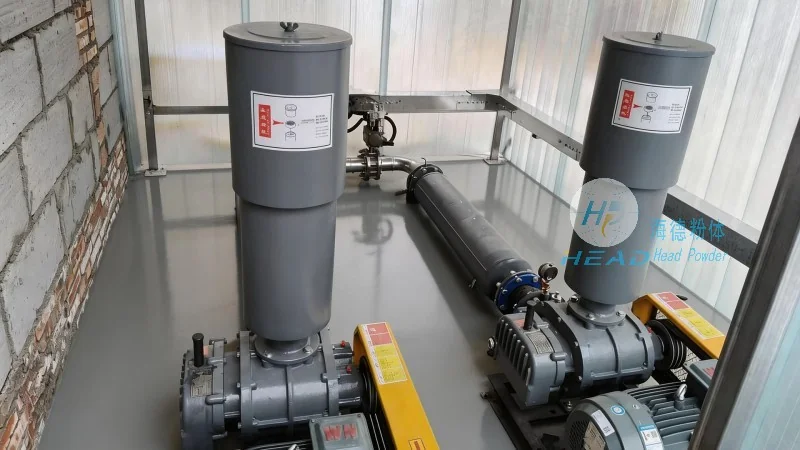
1. Material Loading: Phenolic powders are loaded into the storage hopper from bulk containers or trucks. The hopper is then sealed to prevent contamination and maintain material quality.
2. Level Monitoring: Level sensors in the hopper continuously monitor the powder level. When the level drops to a predetermined threshold, the control system triggers the feeder to start discharging material.
3. Feeder Activation: The rotary valve or other feeder mechanism opens, allowing phenolic powders to flow into the conveyor system at a controlled rate. The feeder speed is adjusted based on the required flow rate for downstream processing.
4. Conveyor Transport: The material is transported along the conveyor system to the processing unit. The conveyor speed is synchronized with the feeder output to maintain a consistent flow rate. For vertical transport, the screw conveyor rotates, pushing the powders upward, while for horizontal transport, the belt conveyor moves the material along its path.
5. Delivery to Processing: The phenolic powders are delivered to the processing equipment, such as mixers or extruders. The control system ensures that the material is delivered at the correct time and in the right quantity to avoid interruptions in the production process.
Working Principle: Mechanisms and Physics
The working principle of phenolic powder conveying lines is based on the principles of fluid dynamics and mechanical transport. The key mechanisms include gravity, mechanical force, and air pressure, depending on the type of conveyor used:
1. Gravity-Driven Conveying: In horizontal or slight incline belt conveyors, gravity assists in moving the powders along the belt. The belt moves at a constant speed, and the powders are carried by the belt's surface, ensuring a smooth and continuous flow.
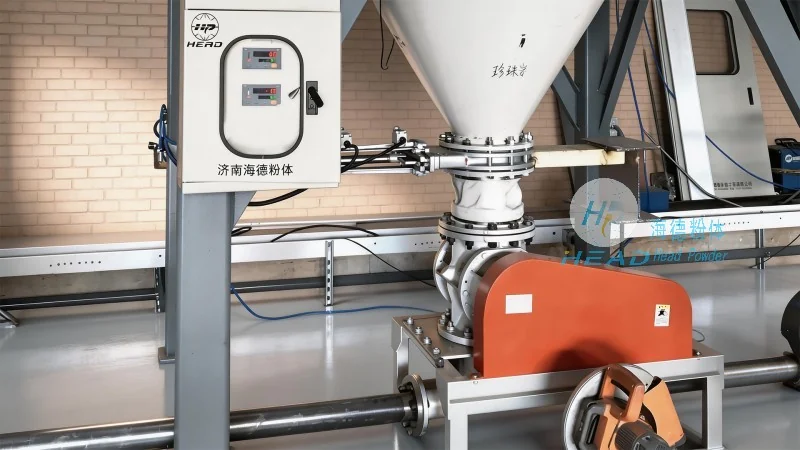
2. Mechanical Force Conveying: Screw conveyors use the rotational motion of a screw to push powders forward. The screw's threads create a self-priming effect, allowing the conveyor to start moving material even when empty. This mechanism is effective for vertical or inclined transport and can handle a wide range of powder types.
3. Pneumatic Conveying: Pneumatic systems use compressed air to transport powders through a pipeline. The air flow creates a negative pressure that draws the powders into the line. The velocity of the air and the size of the pipeline determine the conveying capacity. This method is particularly useful for fine powders that are difficult to handle with mechanical conveyors.
4. Electrostatic Control: Phenolic powders are often prone to static electricity, which can cause material buildup or clogging. Conveying lines are equipped with anti-static measures, such as grounding systems and ionizers, to prevent static accumulation. These measures ensure that the powders flow smoothly and do not adhere to the conveyor surfaces or equipment.
Benefits and Applications
Phenolic powder conveying lines offer several benefits in industrial applications, including improved efficiency, reduced labor costs, and enhanced product quality. These systems are widely used in the manufacturing of phenolic resins, adhesives, and molded parts. The ability to handle fine powders with minimal degradation makes them essential in industries where product consistency is critical.
Companies like Shandong HeadPowder Engineering Co., Ltd. specialize in designing and manufacturing phenolic powder conveying lines tailored to specific industrial needs. With a focus on durability, efficiency, and safety, their systems are designed to meet the demands of modern manufacturing processes. The company's expertise in material handling technology ensures that their conveying lines are reliable and cost-effective, providing long-term value to their clients.
By understanding the operation process and working principle of phenolic powder conveying lines, industrial operators can optimize their material handling systems, improve production efficiency, and maintain product quality. The integration of advanced control systems and specialized components ensures that these lines operate smoothly and reliably, supporting the overall productivity of the manufacturing facility.




