HeadPowder, a leading manufacturer based in Shandong, China, specializes in the design, development, and supply of advanced material handling equipment. Among their product portfolio is the Sodium Chloride Material Conveying Line, a sophisticated system engineered to efficiently transport sodium chloride, commonly known as table salt, from storage to processing or packaging stages. This article provides a detailed exploration of the operation process and working principle of this critical equipment, highlighting its key components, operational workflow, and the technological advancements that ensure optimal performance.
Key Components of the Sodium Chloride Conveying Line
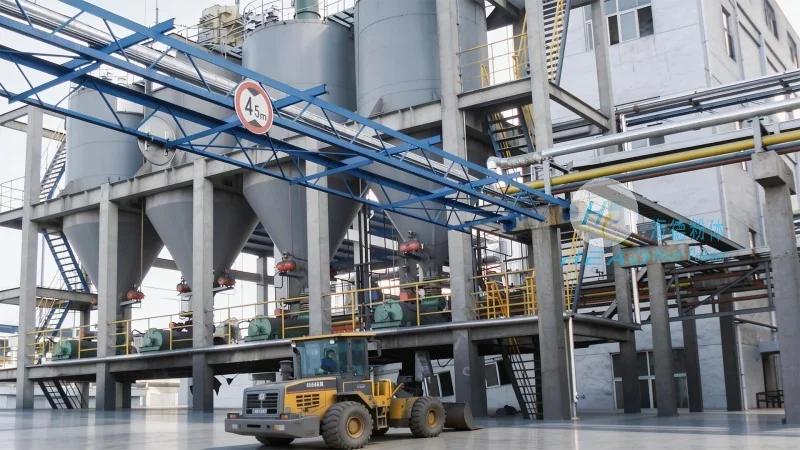
The Sodium Chloride Material Conveying Line typically consists of several integrated components that work in harmony to ensure smooth material handling. These components include feed hoppers, conveyor belts or screw conveyors, control panels, and discharge mechanisms. The feed hopper is designed to store and regulate the flow of sodium chloride, preventing overloading and ensuring a consistent feed rate. The conveyor system, which may vary based on the specific application (e.g., belt conveyors for bulk material or screw conveyors for granular or powdered forms), is responsible for transporting the material along the designated path. The control panel integrates sensors and automation systems to monitor and adjust the operation in real-time, while the discharge mechanism ensures the material is delivered to the next stage of the production process efficiently.
Operation Process of the Sodium Chloride Conveying Line
The operation of the Sodium Chloride Material Conveying Line follows a systematic workflow that begins with material loading into the feed hopper. Once the hopper is filled to the appropriate level, the control system activates the conveyor motor, initiating the material transport. As the sodium chloride moves along the conveyor, it is evenly distributed and guided through the system. The control panel continuously monitors parameters such as speed, pressure, and material level, adjusting the operation as needed to maintain optimal performance. For example, if the material flow rate exceeds the conveyor's capacity, the system may automatically reduce the feed rate or adjust the conveyor speed to prevent blockages or overloading. The material is then discharged at the end of the conveyor, where it is collected and prepared for further processing or packaging. This process is typically automated, minimizing the need for manual intervention and ensuring consistent and reliable operation.
Working Principle of the Sodium Chloride Conveying Line
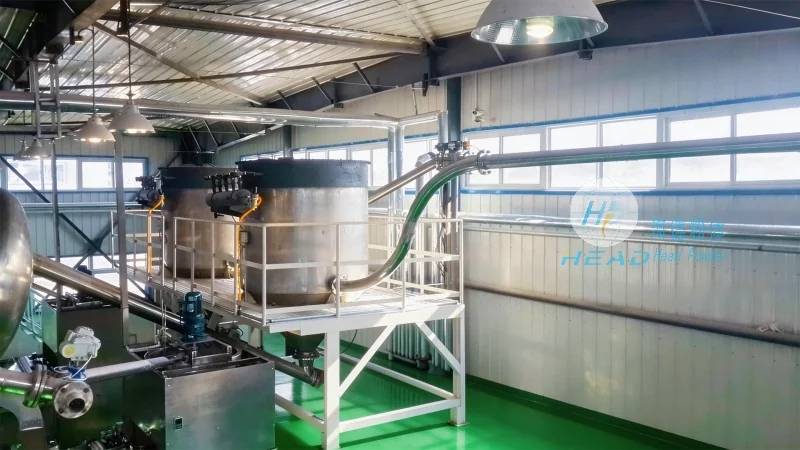
The working principle of the Sodium Chloride Material Conveying Line is based on mechanical energy transfer and material flow dynamics. The system utilizes gravity and mechanical force to move the sodium chloride from the feed hopper to the discharge point. In belt conveyor systems, a motor-driven pulley system pulls the conveyor belt, which carries the material along its surface. The friction between the belt and the material ensures that the material is transported without slipping or falling off. Screw conveyors, on the other hand, use a rotating screw to push the material forward, similar to an auger. This mechanism is particularly effective for handling granular or powdered materials like sodium chloride, as it can transport the material vertically or at an incline without the need for additional support structures. The control system plays a crucial role in maintaining the stability of the process by adjusting the speed of the conveyor or the rotation speed of the screw, ensuring that the material is moved at an appropriate rate to prevent clogging or excessive wear on the equipment.
Advantages of the Sodium Chloride Conveying Line
The Sodium Chloride Material Conveying Line offers several advantages that make it an ideal choice for industrial applications. Firstly, it provides high efficiency in material transport, reducing the time and labor required for manual handling. The automated control system ensures consistent performance, minimizing downtime and maintenance costs. Secondly, the system is designed to handle large volumes of sodium chloride, making it suitable for high-capacity production lines. The modular design allows for easy integration with existing production facilities, and the components are constructed from durable materials that can withstand the corrosive nature of sodium chloride, ensuring long-term reliability. Additionally, the system is energy-efficient, with advanced motor control systems that optimize power usage and reduce operational costs. These advantages make the Sodium Chloride Material Conveying Line a cost-effective and reliable solution for industries that require efficient and consistent material handling of sodium chloride.
Applications and Industries
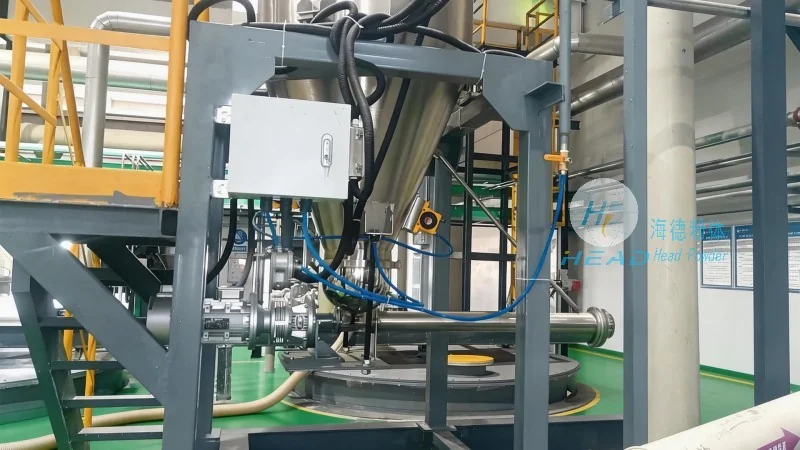
The Sodium Chloride Material Conveying Line is widely used in various industries that rely on the processing and packaging of sodium chloride. These industries include food processing, where sodium chloride is used as a preservative and flavor enhancer in food products; chemical manufacturing, where it is used as a raw material in the production of other chemicals; and pharmaceuticals, where it is used in the formulation of various medications. The system is also used in the mining and mineral processing industry, where it is used to transport sodium chloride from storage facilities to processing plants. In each of these applications, the conveying line ensures that the material is handled safely and efficiently, minimizing the risk of accidents and improving overall production efficiency.
Maintenance and Safety Considerations
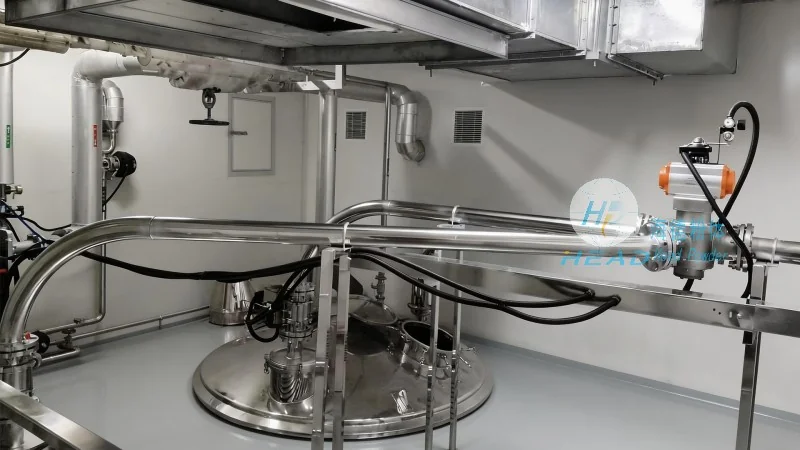
Maintaining the Sodium Chloride Material Conveying Line is essential to ensure its long-term performance and reliability. Regular maintenance tasks include cleaning the conveyor belts or screws to remove accumulated sodium chloride, checking the motor and control system for any signs of wear or damage, and inspecting the feed hopper and discharge mechanisms for any blockages or leaks. The system is designed with safety features such as emergency stop buttons, overload protection, and material level sensors to prevent accidents and ensure the safety of operators. It is important to follow the manufacturer's guidelines for maintenance and safety to ensure the optimal performance and longevity of the equipment. Proper maintenance not only extends the life of the equipment but also reduces the risk of downtime and costly repairs.
Conclusion
The Sodium Chloride Material Conveying Line is a critical piece of equipment for industries that require efficient and reliable transport of sodium chloride. HeadPowder, with its expertise in material handling technology, has developed a sophisticated system that combines advanced components and automation to ensure optimal performance. The operation process and working principle of this equipment are designed to meet the demands of high-capacity production lines while maintaining safety and efficiency. By understanding the key components, operation process, and working principle of the Sodium Chloride Material Conveying Line, industries can make informed decisions about their material handling needs and choose the most suitable equipment for their specific requirements. The system's advantages, including high efficiency, durability, and energy efficiency, make it a valuable asset for any production facility that handles sodium chloride.




