Shandong HeadPowder Engineering Co., Ltd., a leading manufacturer based in Shandong, China, specializes in the design, development, and implementation of efficient resin pellet material conveying systems. These systems are engineered to handle the unique challenges associated with transporting resin pellets, ensuring reliable and consistent operation in industrial settings.
Overview of Resin Pellet Material Conveying Lines
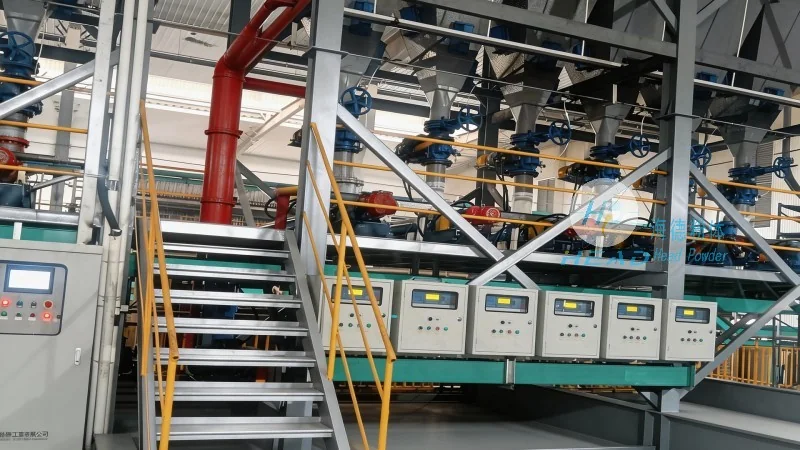
Resin pellet material conveying lines are sophisticated industrial systems designed to transport resin pellets from storage or processing units to various downstream applications. The primary goal is to maintain the integrity of the resin pellets while ensuring efficient, low-downtime operation. These lines typically integrate multiple components, including hoppers, feeders, conveyors, and control systems, each playing a critical role in the overall process.
Key Components and Their Functions
The operation of a resin pellet material conveying line begins with the storage of resin pellets in a hopper. The hopper is designed to hold a sufficient quantity of material to ensure continuous feeding, minimizing the need for frequent refills. A feeder, often a rotary valve or a screw feeder, regulates the flow of resin pellets from the hopper into the conveyor system. This component is crucial for controlling the feed rate, which directly impacts the overall throughput of the line.
The conveyor system, which may include belt conveyors, screw conveyors, or pneumatic conveying lines, transports the resin pellets from the feeder to the processing or packaging areas. The choice of conveyor type depends on factors such as the material characteristics, required distance, and environmental considerations. For resin pellets, which are often lightweight and prone to dust, a closed system or a system with dust suppression features is commonly employed to maintain a clean and safe working environment.
Control Systems and Automation
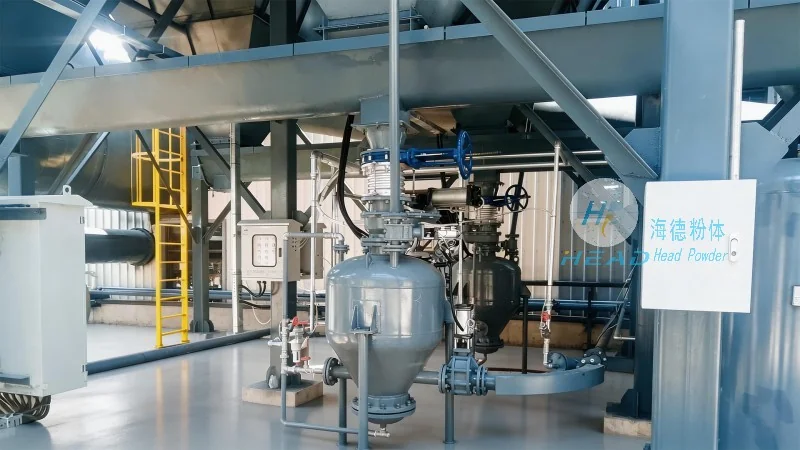
Modern resin pellet material conveying lines are equipped with advanced control systems that enhance operational efficiency and safety. These systems typically include sensors, variable frequency drives (VFDs), and programmable logic controllers (PLCs). Sensors monitor the level of material in the hopper and the flow rate through the feeder, providing real-time data to the control system. VFDs adjust the speed of the conveyor and feeder motors, allowing for precise control of the material flow rate. PLCs coordinate the operation of all components, ensuring that the system runs smoothly and responds to changes in demand or process conditions.
Working Principle of the Conveying Process
The working principle of a resin pellet material conveying line involves a sequential flow of operations. Initially, resin pellets are stored in the hopper. The feeder then releases the pellets at a controlled rate into the conveyor. The conveyor transports the pellets to the next stage of the process, such as a mixing or molding machine. Throughout this process, the control system continuously monitors the flow and adjusts the parameters as needed to maintain optimal performance. This closed-loop control ensures that the system operates efficiently, minimizing waste and maximizing productivity.
Benefits of Efficient Resin Pellet Conveying Systems
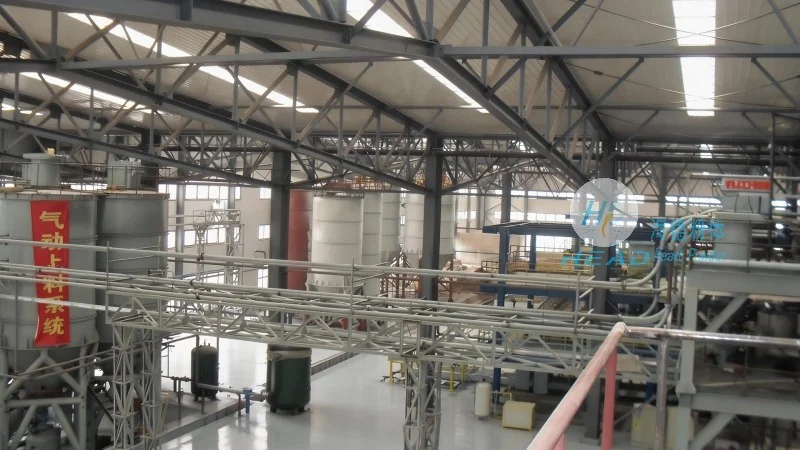
Implementing an efficient resin pellet material conveying line offers several key benefits for industrial operations. First, it improves material handling efficiency by reducing downtime and ensuring a consistent supply of resin pellets to downstream processes. This leads to increased productivity and reduced operational costs. Second, the system enhances safety by minimizing manual handling of resin pellets, which can be dusty and potentially hazardous. Third, the closed system design helps maintain the quality of the resin pellets by preventing contamination and moisture absorption. Finally, the automation and control features allow for easy integration with other industrial systems, facilitating a seamless workflow in the production environment.
Application in Industrial Settings
Resin pellet material conveying lines are widely used in various industries, including plastics manufacturing, chemical processing, and pharmaceuticals. In the plastics industry, these systems are essential for transporting resin pellets to extruders, injection molding machines, and other processing equipment. The consistent flow of material ensures that the processing equipment operates at optimal speeds, reducing the risk of clogs or material degradation. In chemical processing, the systems help maintain the purity of the resin pellets by preventing cross-contamination with other materials. Overall, the reliability and efficiency of these conveying lines are critical to the success of industrial operations that rely on resin pellets as a key raw material.
Maintenance and Operational Considerations
To ensure the long-term performance and reliability of a resin pellet material conveying line, regular maintenance is essential. This includes inspecting and cleaning the hopper and feeder to prevent material buildup, which can affect the flow rate. The conveyor system should be checked for wear and tear, and the belts or screws should be replaced as needed. The control system components, such as sensors and motors, should be tested periodically to ensure they are functioning correctly. Additionally, operators should be trained on the proper operation and maintenance of the system to prevent accidents and ensure optimal performance. By following these maintenance practices, the conveying line can operate efficiently for extended periods, minimizing downtime and maximizing the return on investment.




