HeadPowder, a leading manufacturer based in Shandong, China, specializes in the design, development, and production of advanced material handling systems tailored for the battery industry. This article provides a detailed overview of the operation process and working principle of battery material material handling conveying lines, highlighting the key components, operational flow, and technical aspects that ensure efficient material transport in battery production facilities.
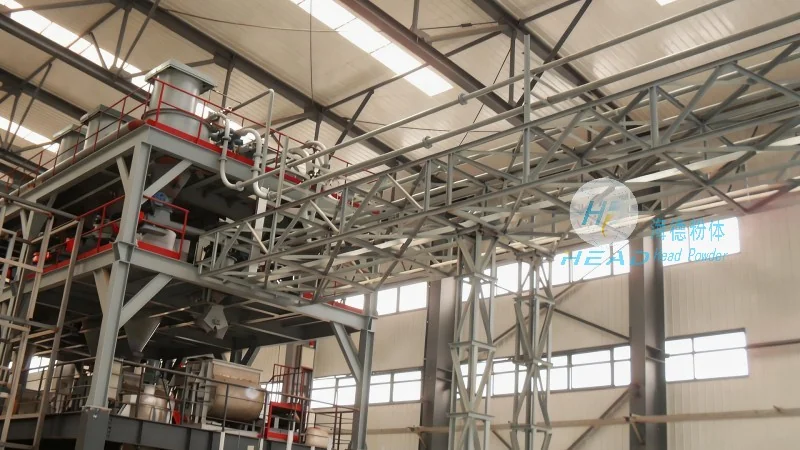
Key Components of Battery Material Material Handling Conveying Lines
The battery material material handling conveying line typically consists of several integrated components that work in harmony to transport raw materials, intermediate products, and finished components. These components include feeders, conveyors (such as belt conveyors, screw conveyors, and chain conveyors), storage hoppers, transfer mechanisms, and control systems. Each component is carefully designed to handle specific materials and operational requirements, ensuring smooth and continuous material flow throughout the production process.
Working Principle of the Conveying Line
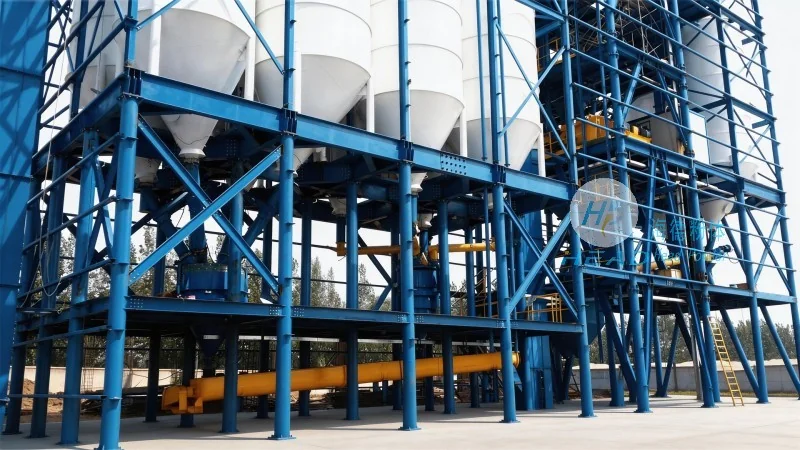
The operation of the battery material material handling conveying line begins with the feeding of raw materials into the system. Raw materials, such as lithium compounds, graphite, and metal powders, are first stored in bulk hoppers or silos. From there, they are transferred to the primary feeders, which regulate the flow rate and consistency of the material. The feeders then deliver the material to the conveyor system, which transports it to the next processing stage. For example, a belt conveyor may transport materials horizontally or at an incline, while a screw conveyor is used for vertical or inclined material transport. Transfer mechanisms, such as rotary valves or star feeders, are used to direct the material from one conveyor to another or to different processing units. The entire system is controlled by a programmable logic controller (PLC) or a distributed control system (DCS), which monitors the flow rate, pressure, and temperature of the materials, ensuring optimal performance and preventing blockages or overflows.
Operation Process Flow
The operation process of the battery material material handling conveying line follows a systematic sequence to ensure efficient material handling. The process starts with material storage and feeding. Raw materials are loaded into the storage hoppers, and the feeders regulate the flow rate to match the production demand. The material is then conveyed to the first processing stage, where it may undergo mixing, grinding, or blending. After processing, the material is transported to the next stage, such as drying or coating. The conveying line continues to move the material through each stage until it reaches the final packaging or storage area. The system is designed to handle high volumes of material with minimal downtime, ensuring that the production line operates continuously and efficiently. Regular maintenance and monitoring are essential to keep the conveying line in optimal condition, minimizing the risk of breakdowns and ensuring consistent material quality.
Technical Advantages and Applications
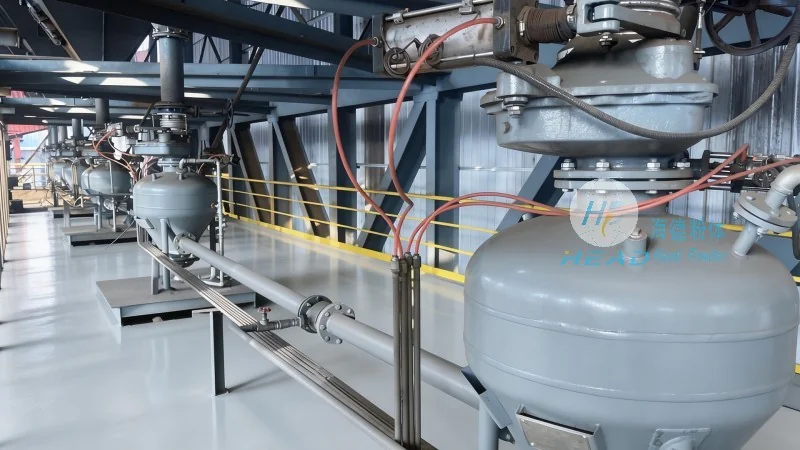
Battery material material handling conveying lines offer several technical advantages that make them ideal for battery production facilities. These advantages include high efficiency, low energy consumption, and the ability to handle a wide range of materials, including powders, granules, and liquids. The systems are designed to be flexible and adaptable, allowing for easy integration with existing production lines and future expansion. They also provide precise control over material flow, ensuring that the right amount of material is delivered to each processing stage. The conveying lines are widely used in the battery industry for handling raw materials, intermediate products, and finished components, from the initial material preparation to the final packaging. The systems are essential for maintaining high production rates and ensuring product quality, making them a critical component of modern battery manufacturing.
Conclusion
In conclusion, the operation process and working principle of battery material material handling conveying lines are complex but highly efficient systems that play a crucial role in the battery production process. The integration of advanced components and control systems ensures that materials are transported safely and efficiently, minimizing downtime and maximizing production output. HeadPowder, with its expertise in material handling systems, provides high-quality conveying lines that meet the specific needs of the battery industry, contributing to the overall success of battery manufacturing facilities.




