Pharmaceutical material handling systems are critical components in modern pharmaceutical manufacturing, ensuring the efficient and safe transport of raw materials, intermediates, and finished products. The equipment within these systems is designed to meet stringent regulatory standards, such as those set by the FDA and GMP (Good Manufacturing Practice), to maintain product integrity and quality throughout the production lifecycle. This article provides an overview of the operation process and working principles of key equipment in pharmaceutical material handling systems, focusing on the technology and functionality that enable seamless material flow in pharmaceutical facilities.
Key Components and Their Functions
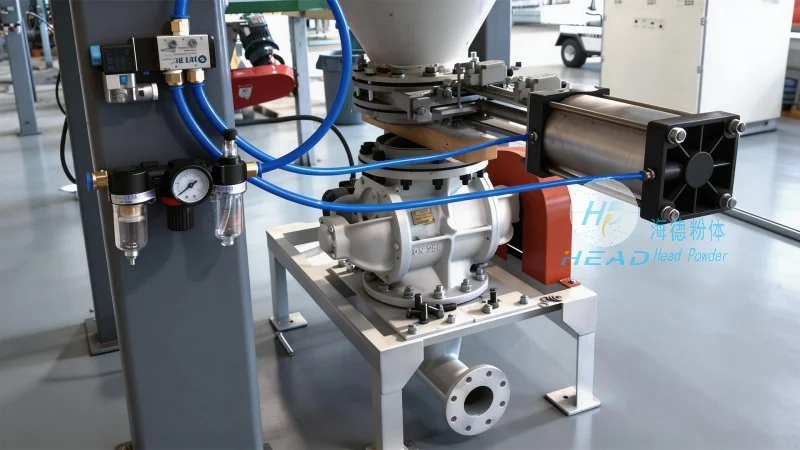
The pharmaceutical material handling system typically consists of several interconnected components, each playing a vital role in the overall material transport process. These components include conveyors, storage systems, sorting mechanisms, and control units. Conveyors, such as belt conveyors, chain conveyors, and roller conveyors, are used to move materials horizontally or vertically. Storage systems, like automated storage and retrieval systems (AS/RS), provide organized storage for raw materials and finished products, optimizing space utilization and access. Sorting mechanisms, including optical sorters and mechanical sorters, ensure that materials are directed to the correct processing or packaging lines. Control units, equipped with advanced software and sensors, monitor and regulate the operation of all components, ensuring real-time tracking and compliance with operational parameters.
Operation Process of Pharmaceutical Material Handling Systems
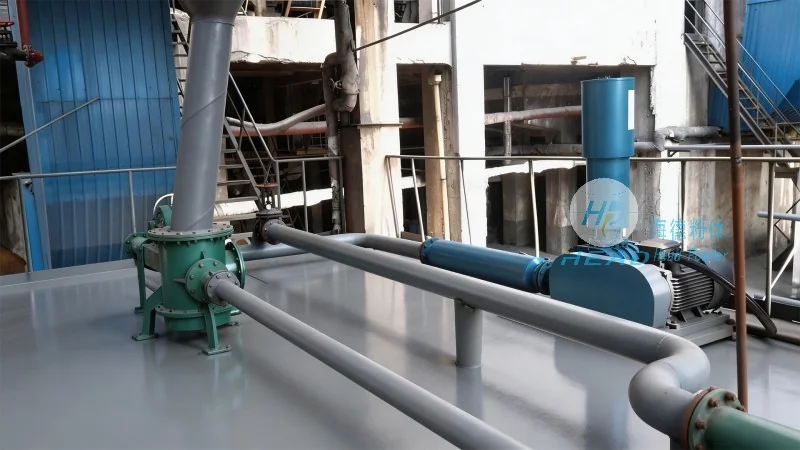
The operation process of a pharmaceutical material handling system begins with the receipt of raw materials at the facility. The materials are then transferred from the receiving area to the storage system via conveyor belts or other transport mechanisms. Once stored, the system retrieves the materials as needed for production. During the production phase, materials are moved from storage to processing equipment, such as mixers, reactors, and fillers. After processing, the materials are transported to packaging lines or finished product storage. The system also includes mechanisms for waste management and recycling, ensuring that all materials are handled in an environmentally responsible manner. The entire process is monitored by the control unit, which provides real-time data on material flow, equipment status, and operational efficiency.
Working Principles of Core Equipment
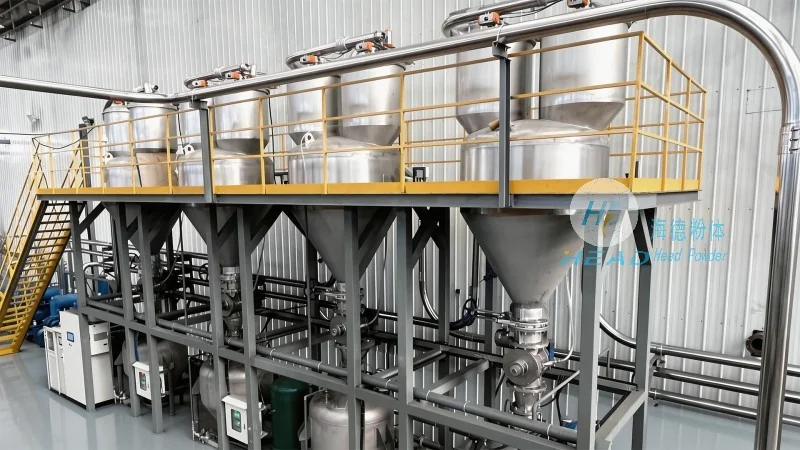
Conveyors operate on the principle of mechanical movement, using rollers, belts, or chains to transport materials. The speed and direction of the conveyor are controlled by the system's control unit, which adjusts based on real-time demand and operational needs. Storage systems, particularly AS/RS, use automated cranes or robots to retrieve and store materials in high-density racks. These systems employ barcode or RFID technology to identify and track each item, ensuring accurate inventory management. Sorting mechanisms utilize sensors, such as cameras or weight scales, to identify and separate materials based on specific criteria, such as product type or batch number. The control unit processes data from these sensors to direct the sorting process, ensuring that materials are routed to the correct destination. Additionally, the system incorporates safety features, such as emergency stop buttons and collision detection sensors, to prevent accidents and ensure operator safety.
Benefits and Applications
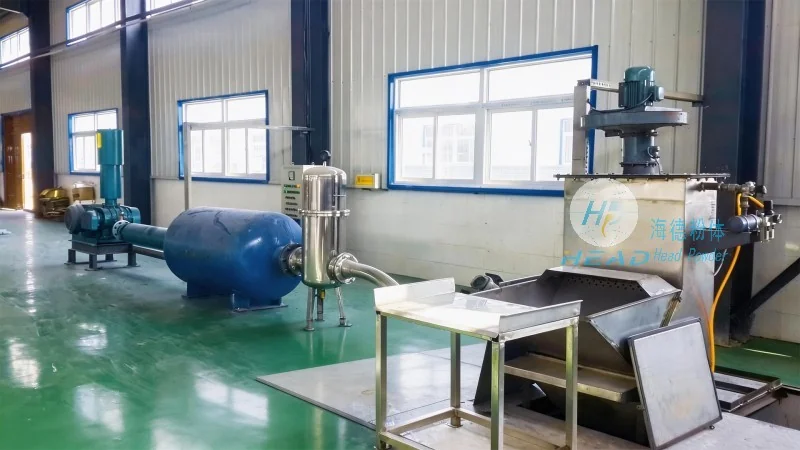
The implementation of pharmaceutical material handling systems offers numerous benefits to pharmaceutical manufacturers. These systems enhance operational efficiency by reducing manual handling and minimizing material handling time. By automating the transport and storage of materials, the systems reduce the risk of human error and improve product quality consistency. Additionally, the systems improve space utilization in manufacturing facilities, allowing for more compact and organized production layouts. The real-time monitoring capabilities of the control unit enable manufacturers to identify bottlenecks and optimize production schedules, leading to increased productivity and reduced costs. Pharmaceutical material handling systems are widely used in various applications, including the production of APIs (Active Pharmaceutical Ingredients), biologics, and over-the-counter (OTC) medications. They are also employed in pharmaceutical distribution centers to streamline the storage and shipping of finished products.




