Grain material conveying system equipment is a critical component in modern agricultural and food processing industries. These systems are designed to efficiently transport bulk grain and other similar materials from one location to another, ensuring smooth operations in storage, processing, and distribution. The equipment typically includes various types of conveyors, such as belt conveyors, screw conveyors, and bucket elevators, each tailored to specific material handling needs. Understanding the operation process and working principle of these systems is essential for optimizing performance and maintaining efficiency in grain handling operations. Developed by Shandong HeadPowder Engineering Co., Ltd. (headpowder), these systems are engineered to meet the demands of contemporary grain processing facilities.
Key Components and Their Functions
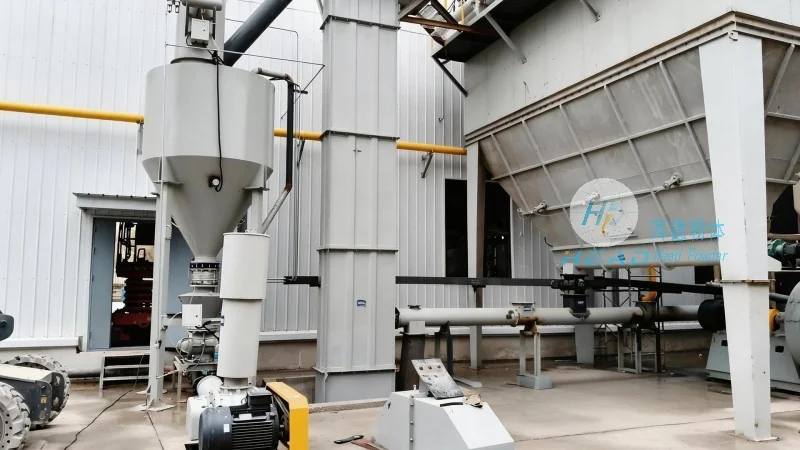
The grain material conveying system consists of several key components that work in tandem to achieve effective material transport. The primary components include the feeding mechanism, conveyor belt or screw, drive system, control panel, and discharge outlet. The feeding mechanism is responsible for introducing the grain into the system, ensuring a consistent flow of material. The conveyor belt or screw then transports the grain along the designated path, while the drive system provides the necessary power to move the material. The control panel allows operators to monitor and adjust the system's parameters, such as speed and direction, to adapt to changing operational requirements. Finally, the discharge outlet releases the grain at the desired location, completing the transport process.
Operation Process of the Conveying System
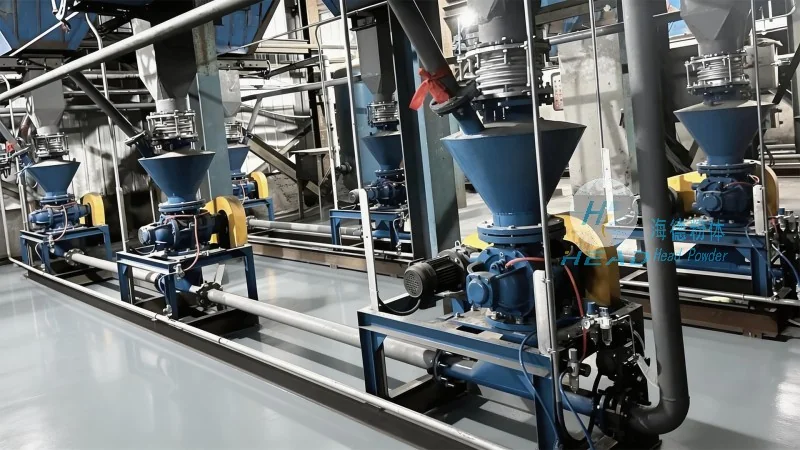
The operation process of a grain material conveying system begins with the loading of grain into the feeding hopper. The hopper is designed to hold a sufficient quantity of grain and distribute it evenly onto the conveyor belt or screw. As the material is fed, the conveyor system starts, and the drive motor activates, moving the belt or screw at a predetermined speed. The grain travels along the conveyor, moving from the inlet to the outlet. During this process, the system may include additional features like cleaning mechanisms or sorting devices to enhance material quality. The control panel continuously monitors the system's performance, adjusting speed or stopping the conveyor if an obstruction or overload is detected. Once the grain reaches the discharge point, it is collected and prepared for further processing or storage. This entire process is designed to be efficient, minimizing downtime and maximizing throughput in grain handling operations.
Working Principle of the Conveying System
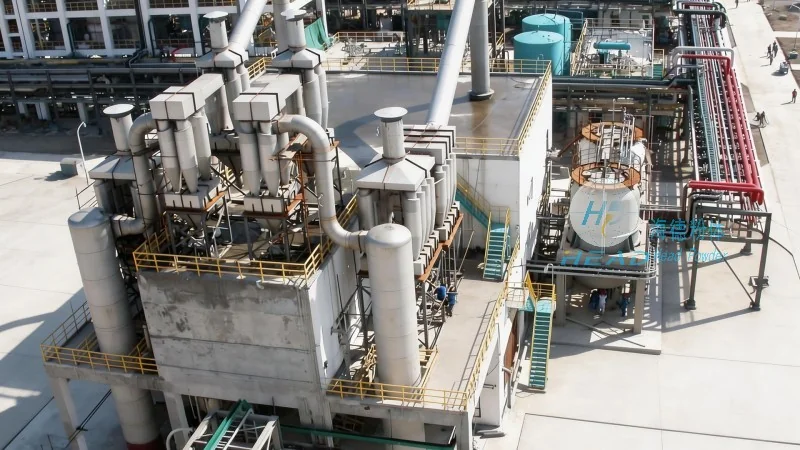
The working principle of grain material conveying system equipment is based on mechanical energy conversion and material flow dynamics. The system utilizes a combination of gravity, friction, and motor-driven forces to move bulk materials. For belt conveyors, the principle involves a continuous belt loop supported by rollers, with the grain placed on the belt surface. As the belt moves, the grain is carried along, relying on the friction between the grain and the belt to prevent slippage. Screw conveyors, on the other hand, use a rotating screw to push the grain forward, leveraging the screw's helical design to create a pushing action. The drive system, typically an electric motor connected to a gearbox, provides the rotational force needed to operate the conveyor. The control panel integrates sensors and controllers to regulate the speed and direction of the motor, ensuring precise control over the material flow. This integrated approach allows the system to handle various grain types and sizes while maintaining consistent performance and reliability.
Benefits and Applications of Grain Conveying Systems
Grain material conveying systems offer numerous benefits in industrial and agricultural settings. These systems enhance operational efficiency by automating the material transport process, reducing manual labor and potential errors. They also improve safety by minimizing human exposure to heavy lifting and hazardous environments. The systems are highly versatile, suitable for a wide range of applications, including grain storage facilities, flour mills, feed production plants, and agricultural processing centers. By optimizing the movement of bulk materials, these systems contribute to increased productivity and reduced operational costs. Additionally, the modular design of many conveying systems allows for easy integration with existing infrastructure, making them a practical solution for both new and existing grain handling operations.
Maintenance and Operational Considerations
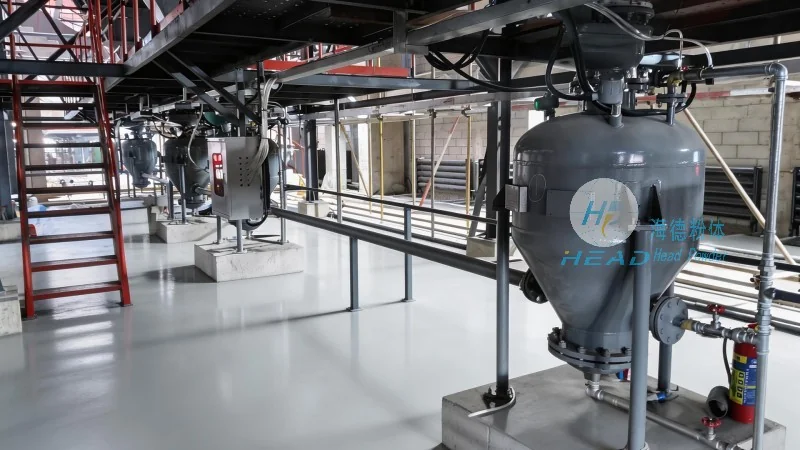
Proper maintenance is crucial for ensuring the long-term performance and reliability of grain material conveying systems. Regular inspections should be conducted to check for wear and tear on components such as belts, screws, and bearings. Lubrication of moving parts is essential to reduce friction and prevent overheating. Cleaning the system regularly, especially after handling different grain types, helps maintain hygiene and prevent contamination. Operators should also follow the manufacturer's guidelines for speed adjustments and load limits to avoid overloading the system. By adhering to these maintenance practices, users can extend the lifespan of the equipment and minimize unexpected downtime. Additionally, training operators on proper system operation and emergency procedures ensures safe and efficient use of the conveying system.




