HeadPowder, a leading engineering firm based in Shandong, China, specializes in the design and implementation of specialized material handling systems for industrial applications. This article provides a detailed overview of the operation process and working principle of an anhydrous aluminum chloride material handling system, highlighting the key components and operational steps involved in ensuring efficient and safe handling of this critical chemical.
Company Overview and Expertise
Shandong HeadPowder Engineering Co., Ltd. is a reputable company dedicated to providing high-quality engineering solutions for the chemical and material processing industries. With a strong focus on innovation and precision, HeadPowder has established itself as a trusted partner for clients requiring specialized equipment for handling sensitive materials like anhydrous aluminum chloride. The company’s team of experienced engineers and technicians brings extensive knowledge in material science, process engineering, and mechanical design to every project, ensuring that systems are tailored to meet specific operational requirements and safety standards.
Understanding Anhydrous Aluminum Chloride
Anhydrous aluminum chloride (AlCl₃) is a highly reactive and hygroscopic chemical compound commonly used in various industrial applications, including chemical synthesis, oil refining, and as a catalyst in organic reactions. Due to its tendency to absorb moisture from the air and form hydrochloric acid upon contact with water, handling this material requires specialized equipment designed to maintain its anhydrous state and prevent contamination. The material handling system for anhydrous aluminum chloride must therefore incorporate features that minimize exposure to moisture, control temperature, and ensure safe transfer and storage.
Key Components of the Material Handling System
The anhydrous aluminum chloride material handling system typically consists of several integrated components working in concert to ensure efficient and safe operation. These components include:
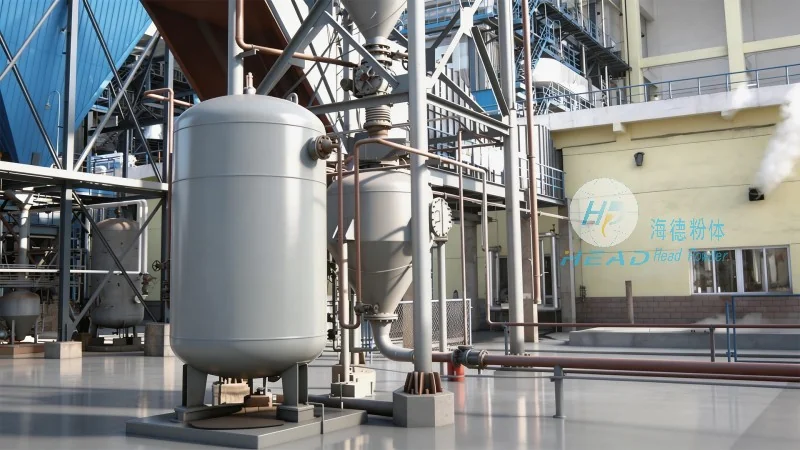
- Receiving and Storage Unit: This section is designed to receive bulk anhydrous aluminum chloride from delivery trucks or storage silos. The unit often features a sealed hopper or silo with airtight doors to prevent moisture ingress. A level sensor and a temperature control system are integrated to monitor the material level and temperature, ensuring optimal conditions for storage.
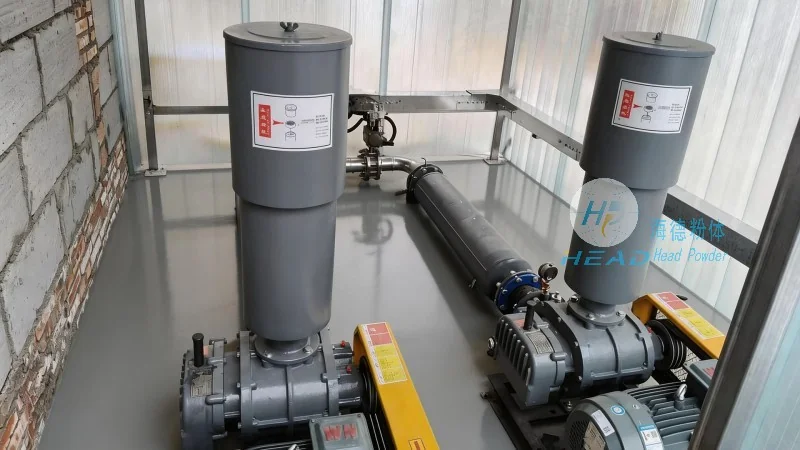
- Pneumatic Conveying System: For the transport of anhydrous aluminum chloride from the storage area to processing units or packaging stations, a pneumatic conveying system is commonly employed. This system uses compressed air to move the material through a network of pipes, minimizing the risk of material degradation and ensuring a continuous flow. The system includes components such as airlocks, cyclones, and dust collectors to maintain cleanliness and prevent material loss.
- Feeding and Metering Equipment: To control the precise amount of anhydrous aluminum chloride fed into processing equipment or packaging lines, specialized feeding and metering devices are used. These may include rotary valves, screw feeders, or gravimetric feeders, which allow for accurate dosing and prevent overloading or underloading of downstream processes. The equipment is designed to handle the material’s abrasive and corrosive properties without causing wear or damage.
- Processing and Reaction Units: Depending on the application, the material handling system may integrate processing units where anhydrous aluminum chloride is used as a catalyst or reactant. These units are equipped with temperature control systems, mixing mechanisms, and safety features to manage the chemical reactions and ensure product quality.
- Packaging and Discharge System: The final stage of the material handling system involves packaging the processed or raw anhydrous aluminum chloride into containers suitable for distribution. This may include bagging machines, drum fillers, or bulk loading systems. The system is designed to maintain the material’s anhydrous state throughout the packaging process, with features such as moisture-proof seals and protective covers to prevent contamination.
Operation Process of the System
The operation of the anhydrous aluminum chloride material handling system follows a systematic sequence of steps to ensure efficient and safe handling of the material. The process typically begins with the delivery of bulk anhydrous aluminum chloride to the receiving hopper. The material is then stored in the sealed silo, where temperature and moisture levels are continuously monitored to maintain the material’s quality.
When the processing unit requires material, the pneumatic conveying system is activated. Compressed air is introduced into the conveying pipes, creating a flow that transports the anhydrous aluminum chloride from the storage silo to the feeding equipment. The feeding system then meters the precise amount of material required, delivering it to the processing unit or packaging line. Throughout this process, the system’s control panel monitors all parameters, including pressure, flow rate, and temperature, ensuring that the operation remains within safe and optimal limits.
During the processing stage, the anhydrous aluminum chloride is introduced into the reaction vessel or mixing unit as per the process requirements. The system’s temperature control system adjusts the temperature as needed to facilitate the chemical reactions. After processing, the material is transferred to the packaging system, where it is filled into containers and sealed to prevent moisture absorption.
Working Principle of the System
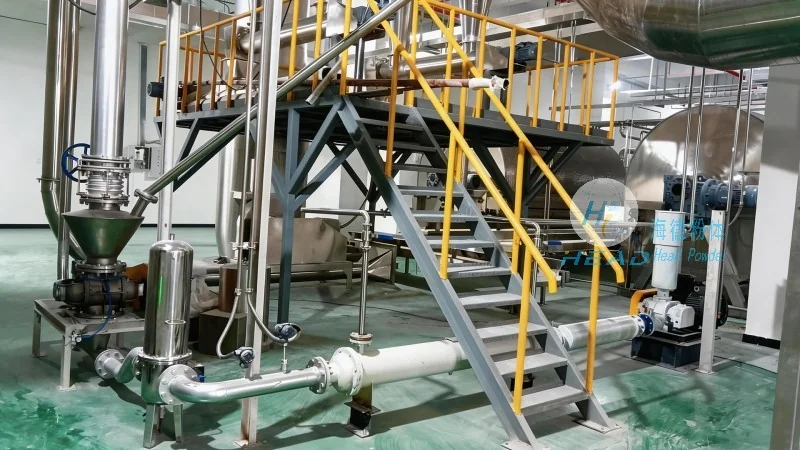
The working principle of the anhydrous aluminum chloride material handling system is based on the integration of mechanical, pneumatic, and control technologies to handle a hygroscopic and reactive chemical. The core principle is to maintain the material’s anhydrous state by minimizing exposure to moisture and controlling environmental conditions. The system achieves this through a combination of airtight storage, controlled pneumatic conveying, and precise feeding mechanisms.
The pneumatic conveying system operates on the principle of using compressed air to create a flow of material through a closed pipeline network. This method is preferred for handling anhydrous aluminum chloride because it eliminates the need for direct contact with mechanical components, reducing the risk of material degradation and equipment wear. The system’s airlocks and dust collectors ensure that any particles or moisture are removed from the air stream, maintaining the purity of the material.
The feeding and metering equipment works on the principle of controlled volume or weight-based dosing. Rotary valves and screw feeders, for example, use mechanical rotation to move the material through the system, while gravimetric feeders use load cells to measure the weight of the material being dispensed. This precision ensures that the exact amount of anhydrous aluminum chloride is delivered to the processing or packaging stage, optimizing the efficiency of the overall operation.
The temperature and moisture control systems are integral to the working principle, as they maintain the material’s stability. The sealed storage silo and airtight components prevent moisture ingress, while the temperature control system adjusts the temperature to prevent the material from reaching temperatures that could cause decomposition or degradation. These controls are typically automated, with sensors feeding data to a central control panel that adjusts the system parameters in real-time.
Benefits and Advantages of the System
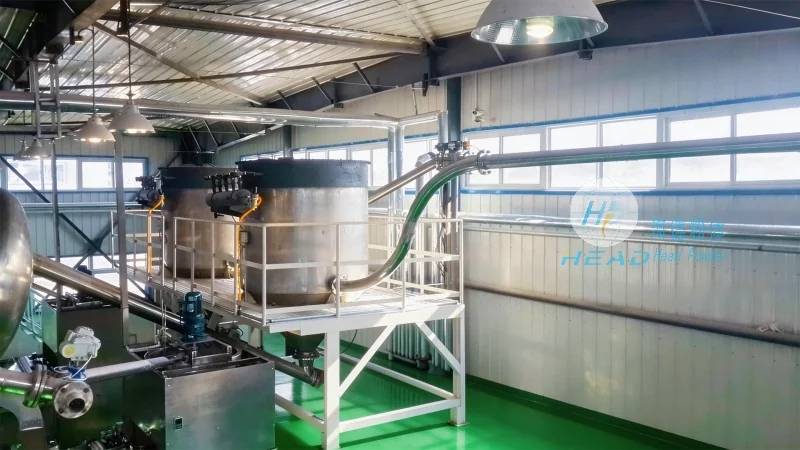
The anhydrous aluminum chloride material handling system designed by HeadPowder offers several key benefits that enhance operational efficiency and safety. By maintaining the material’s anhydrous state, the system minimizes the risk of chemical reactions with moisture, reducing the potential for hazardous conditions such as hydrochloric acid formation. The integrated pneumatic conveying and feeding systems ensure a continuous and controlled flow of material, reducing downtime and improving productivity.
The system’s design also prioritizes safety, with features such as pressure relief valves, explosion-proof components, and emergency shutdown systems. These measures protect operators and equipment from potential hazards associated with handling reactive chemicals. Additionally, the precise metering and control capabilities of the system help optimize the use of anhydrous aluminum chloride, reducing waste and lowering operational costs.
Conclusion
HeadPowder’s anhydrous aluminum chloride material handling system exemplifies the company’s commitment to providing innovative and reliable engineering solutions for the chemical industry. By integrating advanced mechanical, pneumatic, and control technologies, the system ensures efficient, safe, and cost-effective handling of anhydrous aluminum chloride. With its focus on maintaining the material’s quality and adhering to strict safety standards, this system is an essential asset for any facility processing this critical chemical. As a trusted partner in industrial engineering, HeadPowder continues to deliver high-quality solutions that meet the evolving needs of the chemical processing sector.




