Positive pressure blown powder pneumatic conveying systems are widely utilized in various industrial sectors for the efficient transportation of bulk powder materials. This technology offers a reliable and flexible solution for moving powders over long distances or through complex piping networks. The system operates by generating a high-pressure air stream that propels the powder particles through the conveying line, ensuring consistent and controlled material flow.
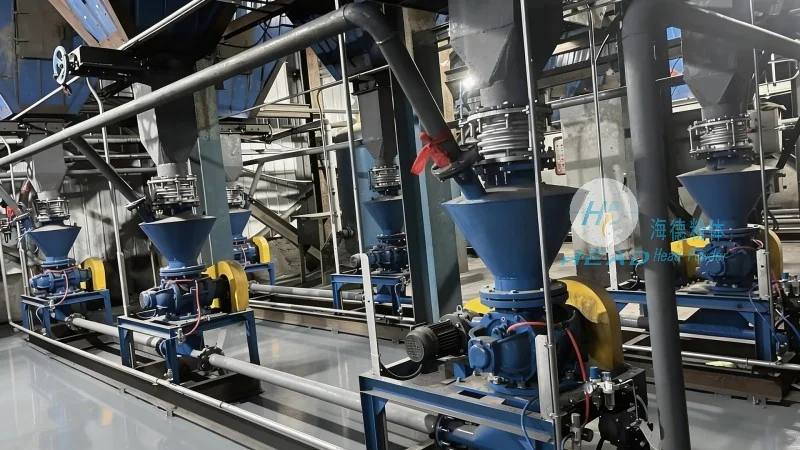
Overview of Positive Pressure Blown Powder Pneumatic Conveying
At the core of this technology is the use of positive pressure to move powder materials. Unlike negative pressure systems, which create a vacuum to draw material in, positive pressure systems force air and powder through the system, providing greater control over the conveying process. This method is particularly effective for handling abrasive or sensitive powders, as it minimizes material degradation and equipment wear.
Key Components and Their Functions
The positive pressure blown powder pneumatic conveying system consists of several critical components, each playing a vital role in the overall operation. These include a positive displacement blower or compressor, which generates the high-pressure air; a hopper or feeder that supplies the powder; a conveying line with appropriate fittings and valves; and a receiver or discharge unit where the material is collected. The blower is responsible for creating the necessary pressure to overcome friction losses in the pipeline and lift the powder particles. The feeder ensures a steady and controlled feed rate, preventing surges or blockages that could disrupt the system. The conveying line, typically made of stainless steel or other corrosion-resistant materials, is designed to handle the specific characteristics of the powder being transported. Finally, the receiver collects the material at the end of the line, often equipped with a dust collection system to maintain air quality and comply with environmental regulations.
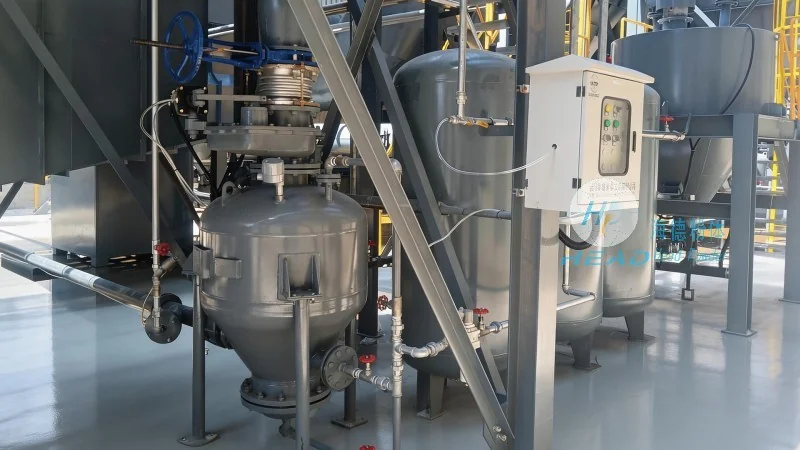
Operation Process: Step-by-Step
The operation of a positive pressure blown powder pneumatic conveying system follows a systematic process. First, the powder is loaded into the hopper or feeder. The feeder then meters the powder into the conveying line at a consistent rate. Simultaneously, the positive displacement blower starts and generates high-pressure air. The air and powder mixture is then propelled through the pipeline, moving from the feeder to the receiver. As the mixture travels, the air pressure maintains the flow, while the powder particles are suspended and transported. The system continues to operate until the material in the hopper is depleted or the desired quantity has been conveyed. At this point, the feeder and blower may be shut down, and the receiver is emptied as needed.
Working Principle: The Physics Behind the Process
The working principle of positive pressure blown powder pneumatic conveying is based on the principles of fluid dynamics and particle suspension. When high-pressure air is introduced into the conveying line, it creates a high-velocity flow that entrains the powder particles. The air velocity must be sufficient to overcome the gravitational forces acting on the particles and the frictional resistance within the pipeline. The powder particles are suspended in the air stream, forming a dense phase flow. This suspension allows the particles to be transported efficiently without settling or clogging the line. The pressure drop along the pipeline is a critical factor, as it determines the required air volume and pressure to maintain the conveying rate. Proper design of the system, including the diameter of the pipeline and the length of the conveying line, is essential to minimize pressure losses and ensure optimal performance.
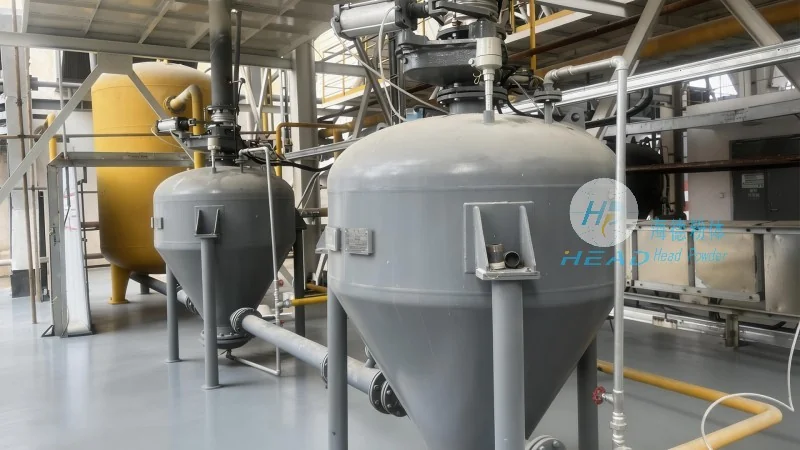
Benefits and Applications
Positive pressure blown powder pneumatic conveying offers several advantages over other material handling methods. It provides a dust-free and enclosed system, reducing the risk of contamination and improving workplace safety. The system is also highly flexible, allowing for changes in the conveying route or material type without significant modifications. Additionally, it can handle a wide range of powder characteristics, including fine powders, bulk powders, and abrasive materials. These benefits make the technology suitable for various applications, such as pharmaceutical manufacturing, food processing, chemical production, and cement handling. In pharmaceutical and food industries, the enclosed system ensures compliance with hygiene and regulatory standards. In chemical production, the ability to handle abrasive materials prevents equipment wear and extends the system's lifespan. In cement and construction industries, the system efficiently transports large quantities of powder over long distances, improving productivity and reducing labor costs.
About HeadPowder: Your Trusted Partner in Powder Handling Solutions
HeadPowder, a leading provider of powder handling equipment and systems, specializes in the design, manufacturing, and installation of positive pressure blown powder pneumatic conveying solutions. With years of experience in the industry, HeadPowder understands the unique challenges of powder transportation and offers customized solutions tailored to each client's specific needs. The company's team of experts works closely with clients to assess their material handling requirements, recommend the most suitable system configuration, and provide comprehensive support throughout the project lifecycle. HeadPowder's commitment to quality and innovation ensures that its systems are reliable, efficient, and compliant with industry standards. The company's headquarters is located in Shandong, China, where it maintains state-of-the-art manufacturing facilities and a dedicated research and development center. HeadPowder's products are designed to meet the highest standards of performance and durability, providing long-term value to its customers.




