HeadPowder, a leading enterprise in the field of powder processing technology, specializes in the design, manufacturing, and application of pneumatic conveying systems for various industrial powders. This article provides a detailed overview of the operation process and working principle of silicomanganese powder pneumatic conveying, highlighting the technical aspects and practical applications that define this critical material handling method.
Introduction to Silicomanganese Powder Pneumatic Conveying
Silicomanganese is a vital alloy used extensively in steelmaking and other metallurgical processes, and its efficient transportation is essential for maintaining production efficiency and product quality. Pneumatic conveying offers a reliable and flexible solution for moving silicomanganese powder from storage to processing units, avoiding the issues associated with traditional mechanical conveying systems such as material degradation, blockages, and contamination. The following sections will delve into the operational workflow and the underlying principles that enable the effective and safe transport of silicomanganese powder using pneumatic technology.
Company Profile: Shandong HeadPowder Engineering Co., Ltd.
HeadPowder, formally known as Shandong HeadPowder Engineering Co., Ltd., is headquartered in Shandong, China. With years of experience in the powder engineering industry, the company has developed a comprehensive range of pneumatic conveying solutions tailored to meet the specific needs of clients in diverse sectors, including metallurgy, chemicals, and food processing. Our expertise lies in optimizing material handling processes, ensuring high efficiency, and minimizing operational costs for our customers.
The Working Principle of Pneumatic Conveying for Silicomanganese Powder
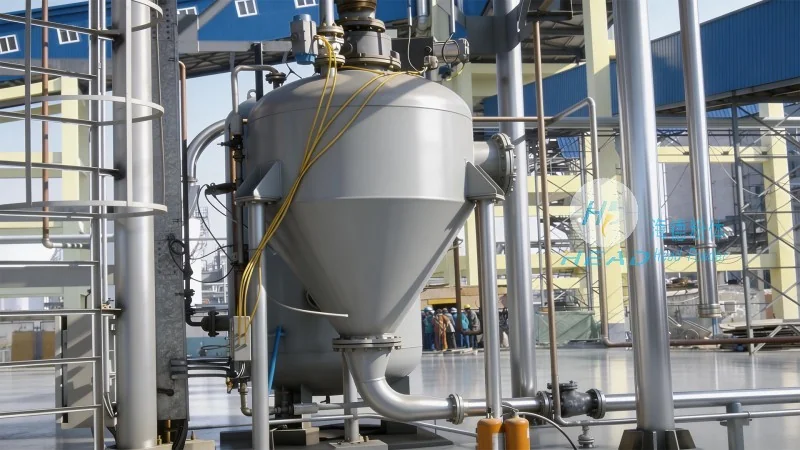
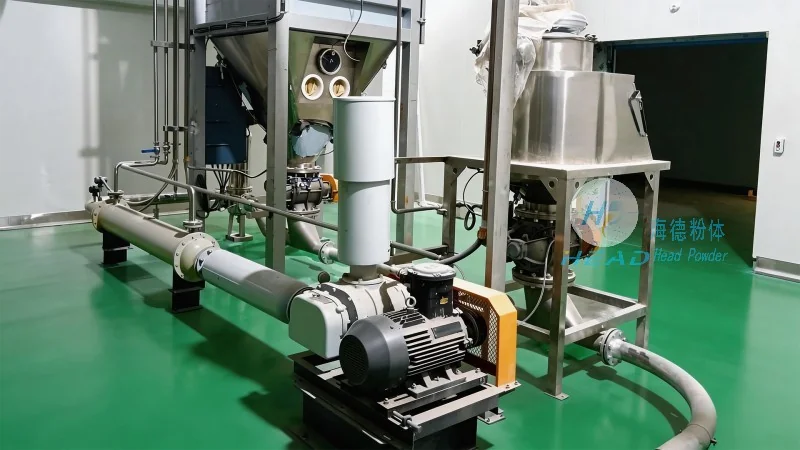
Pneumatic conveying operates on the principle of using air or gas to transport solid particles through a pipeline system. In the case of silicomanganese powder, the process typically involves a positive pressure system, where air is forced through the pipeline at a controlled velocity to move the powder. The key components of a pneumatic conveying system include a material feed hopper, a rotary airlock valve, a conveying line, and a receiver or discharge point. The material is first fed into the hopper, where it is then discharged into the conveying line via the rotary airlock valve. The air flow, generated by a blower or compressor, propels the powder particles through the pipeline, maintaining a consistent flow rate and preventing particle separation or segregation.
Operation Process of Silicomanganese Powder Pneumatic Conveying
The operation process of silicomanganese powder pneumatic conveying involves several sequential steps, each designed to ensure the efficient and safe transport of the material. The first step is the preparation of the material, where silicomanganese powder is stored in a hopper or silo, ensuring it is free from moisture and contaminants that could affect the conveying process. The second step involves the initial feeding of the powder into the conveying line, controlled by the rotary airlock valve, which regulates the flow rate and prevents backflow. The third step is the actual conveying phase, where the air flow maintains the powder in suspension, moving it from the feed point to the discharge point. The fourth step is the discharge of the powder into the receiving vessel, where it is collected and prepared for further processing. Throughout this process, the system monitors parameters such as air pressure, flow rate, and material level to ensure optimal performance and prevent any operational issues.
Key Advantages of Pneumatic Conveying for Silicomanganese Powder
Implementing pneumatic conveying for silicomanganese powder offers several advantages over traditional mechanical methods. These include reduced material degradation due to minimal contact with equipment, improved safety by eliminating the need for manual handling, and enhanced flexibility in system design to accommodate varying production requirements. Additionally, pneumatic systems can handle a wide range of particle sizes and densities, making them suitable for diverse applications in the metallurgical industry. The efficiency of these systems also leads to lower energy consumption and operational costs, contributing to overall process optimization.
Applications and Industry Impact
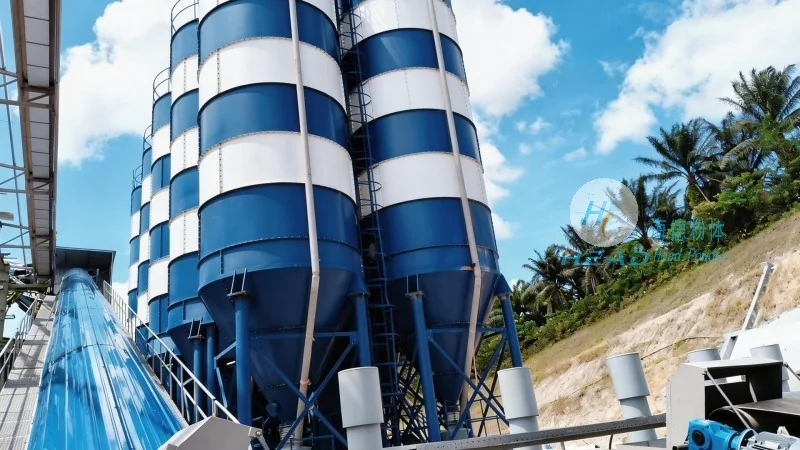
Silicomanganese powder pneumatic conveying systems are widely used in the steel and alloy production industries, where the consistent and reliable transport of raw materials is critical for maintaining production schedules and product quality. The technology also finds applications in other sectors, such as chemical manufacturing and food processing, where the handling of fine powders requires precision and control. By leveraging the expertise of companies like Shandong HeadPowder Engineering Co., Ltd., industries can enhance their material handling capabilities, improve operational efficiency, and achieve higher productivity levels.
Conclusion
In conclusion, the operation process and working principle of silicomanganese powder pneumatic conveying represent a sophisticated and effective solution for material handling in the metallurgical industry. With its ability to transport fine powders efficiently and safely, pneumatic conveying systems contribute significantly to the productivity and quality of production processes. Companies like Shandong HeadPowder Engineering Co., Ltd. play a crucial role in providing tailored solutions that meet the specific needs of clients, ensuring the successful implementation of pneumatic conveying systems for silicomanganese powder transport.




