For industrial applications that require efficient and reliable handling of sodium hypochlorite powder, pneumatic conveying systems offer a robust solution. This article delves into the operation process and working principle of sodium hypochlorite powder pneumatic conveying, highlighting key aspects that ensure optimal performance and safety in material transport. The discussion is presented by Shandong HeadPowder Engineering Co., Ltd., a leading provider of engineering solutions for powder handling systems, with operations based in Shandong, China.
The Role of Pneumatic Conveying in Sodium Hypochlorite Handling
Sodium hypochlorite is widely used in various industries, including water treatment, disinfection, and chemical manufacturing. Handling this powder efficiently is crucial to maintain product quality and operational safety. Pneumatic conveying systems, which use air or gas to transport powders through pipelines, provide a flexible and effective method for moving sodium hypochlorite from storage to processing units. These systems are designed to handle the specific properties of sodium hypochlorite, such as its reactivity and potential for dust generation, ensuring that the material is transported without degradation or contamination.
Key Components of a Sodium Hypochlorite Pneumatic Conveying System
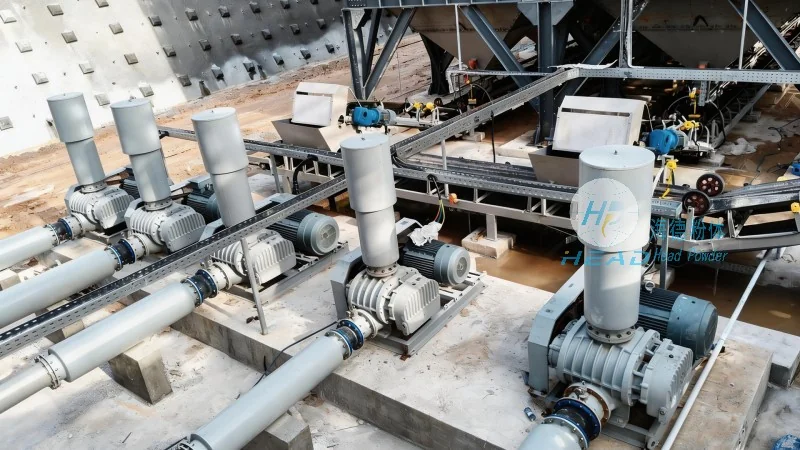
A typical sodium hypochlorite powder pneumatic conveying system consists of several critical components that work in tandem to achieve efficient material transport. These components include a hopper or feeder for material storage and feeding, a blower or compressor to generate the conveying air, a pipeline network to transport the powder, and a receiver or discharge unit for material collection. Each component is carefully selected and configured to meet the specific requirements of the sodium hypochlorite application, ensuring that the system operates at optimal efficiency and safety levels.
Operation Process of Sodium Hypochlorite Powder Pneumatic Conveying
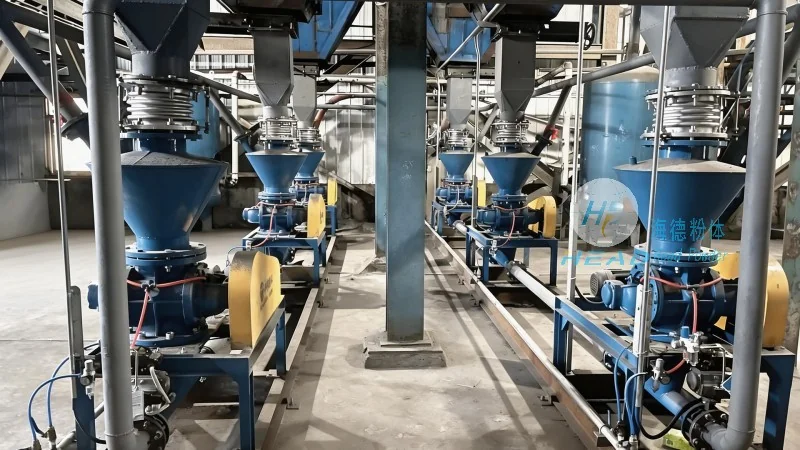
The operation process of a sodium hypochlorite powder pneumatic conveying system involves several sequential steps that ensure the smooth and continuous transport of the material. The process begins with the loading of sodium hypochlorite into the hopper or feeder. The feeder then regulates the flow of powder into the pipeline, where it is mixed with the conveying air. The blower or compressor generates the necessary air pressure to move the powder through the pipeline. As the powder travels through the pipeline, it is suspended in the air stream and transported to the receiver or discharge unit. The receiver collects the powder and may include features such as a filter or cyclone to separate any remaining air from the material. The entire process is controlled by a system of valves, sensors, and controls that monitor and adjust the flow rates and pressure to maintain optimal performance.
Working Principle of Pneumatic Conveying for Sodium Hypochlorite
The working principle of a sodium hypochlorite powder pneumatic conveying system is based on the principles of fluid dynamics and particle transport. The system relies on the creation of a low-pressure or high-pressure air stream within the pipeline, which provides the necessary force to move the powder. The powder particles are suspended in the air stream due to the drag force exerted by the air, allowing them to be transported over long distances without the need for mechanical components such as belts or buckets. The velocity of the air stream is critical to the system's performance, as it must be sufficient to keep the powder particles in suspension while minimizing energy consumption. The system's design, including the size and configuration of the pipeline, the type of blower, and the feeder design, all contribute to the overall efficiency and effectiveness of the conveying process.
Advantages of Using Pneumatic Conveying for Sodium Hypochlorite
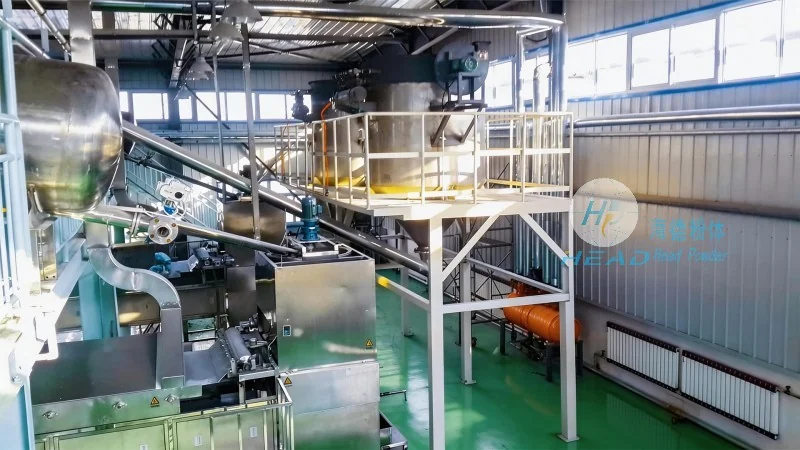
Pneumatic conveying systems offer several advantages when used for sodium hypochlorite powder handling. These include the ability to transport the material over long distances without the need for intermediate storage or handling points, which reduces the risk of contamination and product degradation. The systems are also flexible and can be easily integrated into existing industrial processes, allowing for seamless material flow from storage to processing units. Additionally, pneumatic conveying systems are relatively low maintenance, as they have fewer moving parts compared to mechanical conveying systems, reducing the risk of breakdowns and downtime. The systems also provide better control over the material flow, allowing for precise regulation of the powder feed rate and pressure, which is essential for maintaining product quality and operational safety.
Safety Considerations in Sodium Hypochlorite Pneumatic Conveying
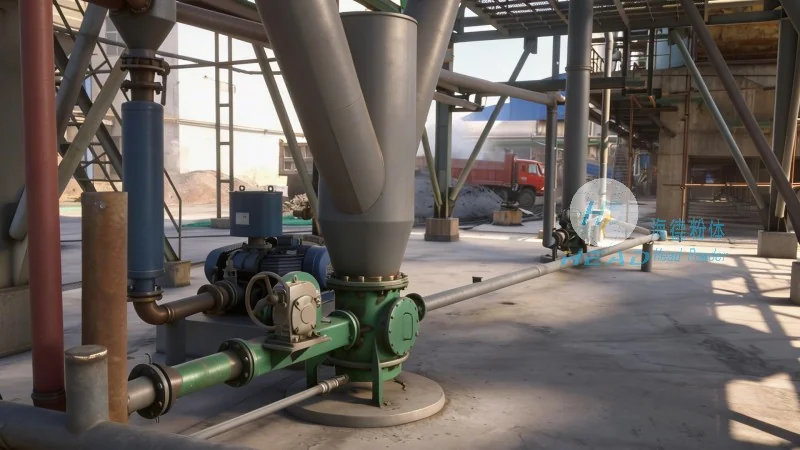
When handling sodium hypochlorite powder, safety is a top priority due to the material's reactivity and potential for dust generation. Pneumatic conveying systems are designed with safety features to mitigate these risks, including explosion-proof blower units, dust collection systems, and pressure relief valves. The systems are also equipped with sensors and controls that monitor the pressure and temperature within the pipeline, alerting operators to any potential issues that may arise. Additionally, the material is often stored in sealed containers or hoppers to prevent exposure to air and moisture, which can affect its stability and reactivity. Proper training and maintenance of the system are also critical to ensuring safe operation, as regular inspections and repairs can help prevent accidents and ensure the system operates at optimal performance levels.
Applications of Sodium Hypochlorite Pneumatic Conveying Systems
Sodium hypochlorite powder pneumatic conveying systems are used in a variety of industrial applications, including water treatment plants, where the material is used for disinfection and oxidation processes. The systems are also used in chemical manufacturing facilities, where the powder is used as a raw material in the production of other chemicals. Additionally, the systems are used in food processing and pharmaceutical industries, where the material is used for cleaning and disinfection purposes. The flexibility and efficiency of pneumatic conveying systems make them an ideal choice for these applications, as they can handle the specific requirements of each industry while maintaining product quality and operational safety.




