Pneumatic conveying systems are widely used in the processing of polyester fiber powders due to their efficiency and flexibility in handling fine powders. These systems are designed to transport materials like polyester fibers through a pipeline using air or other gases as the conveying medium. The technology offers several advantages over traditional mechanical conveying methods, including reduced material degradation, lower maintenance requirements, and the ability to handle materials in a closed system, minimizing dust and contamination.
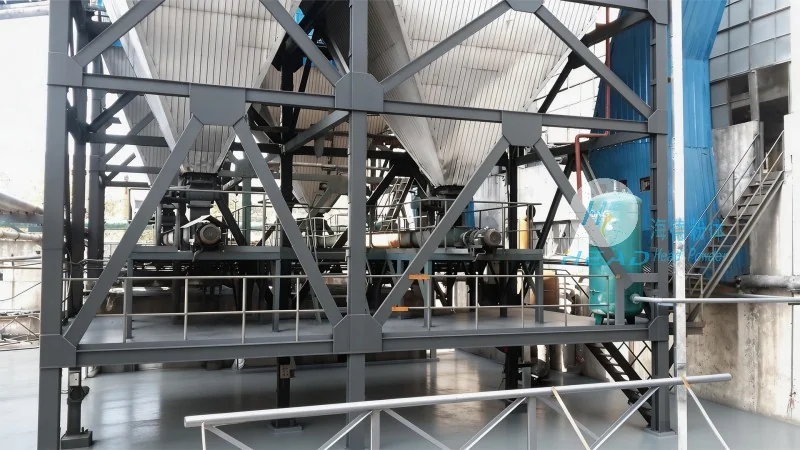
Key Components of Pneumatic Conveying Systems
The core components of a pneumatic conveying system for polyester fiber powders typically include a hopper for material storage, a feeder to control the flow rate, a conveying line (often with bends and filters), and a receiver for the discharged material. The system may also incorporate a blower or compressor to generate the necessary air pressure and flow. Each component plays a critical role in ensuring the smooth and efficient operation of the entire process.
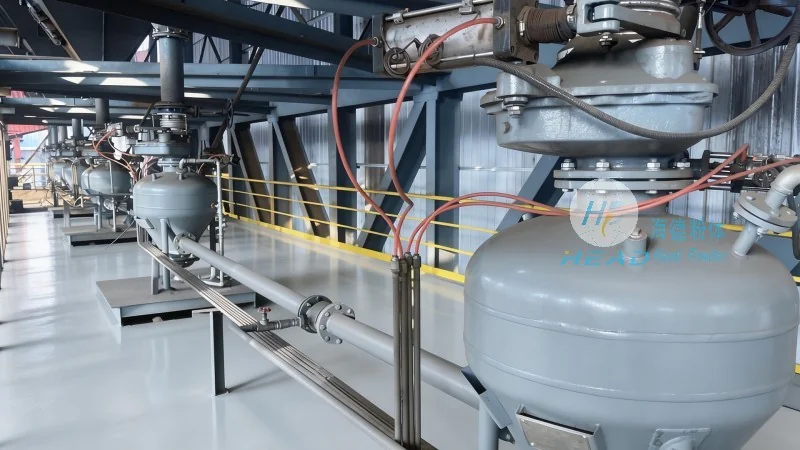
Operation Process of Polyester Fiber Powder Pneumatic Conveying
The operation process of a polyester fiber powder pneumatic conveying system involves several sequential steps. First, the polyester fibers are fed from the storage hopper into the feeder, which regulates the material flow into the conveying line. Simultaneously, the blower generates a high-pressure air stream that moves through the pipeline. As the material enters the conveying line, it is entrained by the air and transported to the receiver. The system may use different conveying modes, such as dilute-phase or dense-phase, depending on the material characteristics and required handling conditions. The dilute-phase mode is suitable for light materials like polyester fibers, where the material is suspended in the air stream, while the dense-phase mode is used for heavier or more abrasive materials.
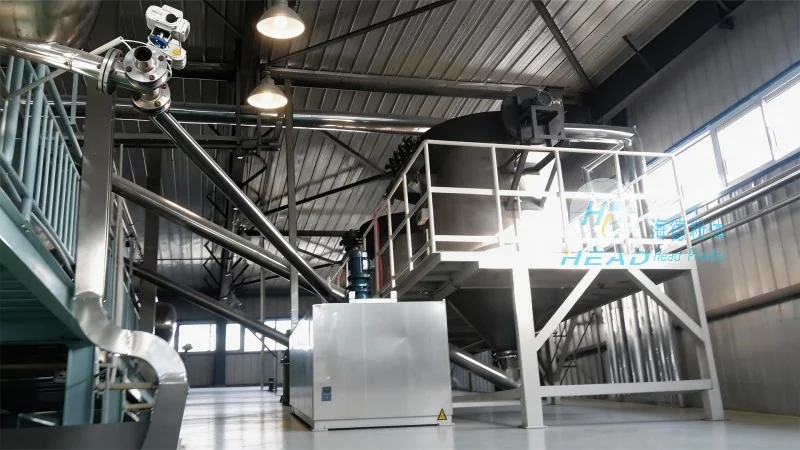
Working Principle of Pneumatic Conveying Systems
The working principle of pneumatic conveying systems is based on the physical principle of fluidization and particle transport. When air is introduced into the conveying line at a sufficient velocity, it creates a fluidized state within the pipeline, allowing the polyester fiber particles to be suspended and carried along with the air flow. The pressure difference between the inlet and outlet of the system drives the material movement. The system maintains a consistent air flow rate and pressure to ensure stable material transport. The receiver at the end of the line collects the conveyed material, and the air is typically filtered and recycled back to the blower to minimize energy consumption and environmental impact.
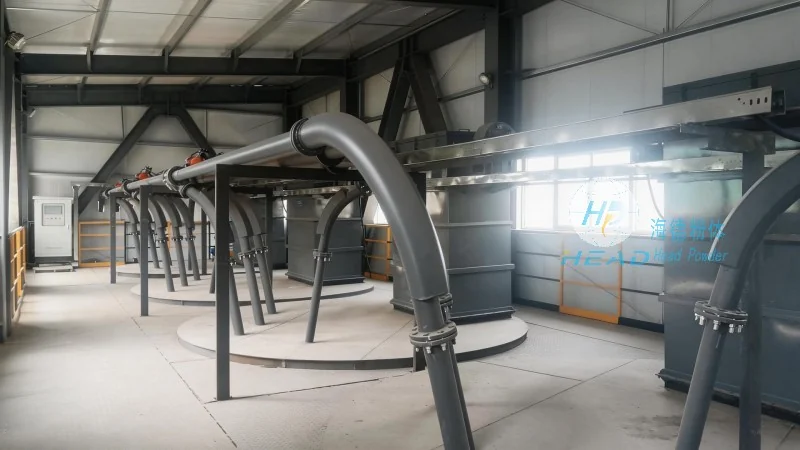
About Shandong HeadPowder Engineering Co., Ltd.
Shandong HeadPowder Engineering Co., Ltd., operating under the brand name headpowder, is a leading provider of advanced pneumatic conveying solutions for the polyester fiber industry. With a focus on innovation and customer satisfaction, the company specializes in designing, manufacturing, and installing customized pneumatic conveying systems tailored to the specific needs of polyester fiber processing facilities. HeadPowder's expertise lies in optimizing material handling processes, ensuring high efficiency, and maintaining product quality throughout the conveying operation. The company's facilities are located in Shandong, China, where it leverages local resources and industry knowledge to deliver reliable and cost-effective solutions to its clients.




