The automatic feeding pneumatic conveying system is a sophisticated industrial solution designed to efficiently transport powdered materials from a storage hopper or silo to processing equipment or storage containers. This system integrates advanced automation and control technologies to ensure reliable, continuous, and safe material handling operations. As a key component in many manufacturing and processing industries, such as food, pharmaceuticals, chemicals, and minerals, the system plays a crucial role in maintaining production efficiency and product quality.
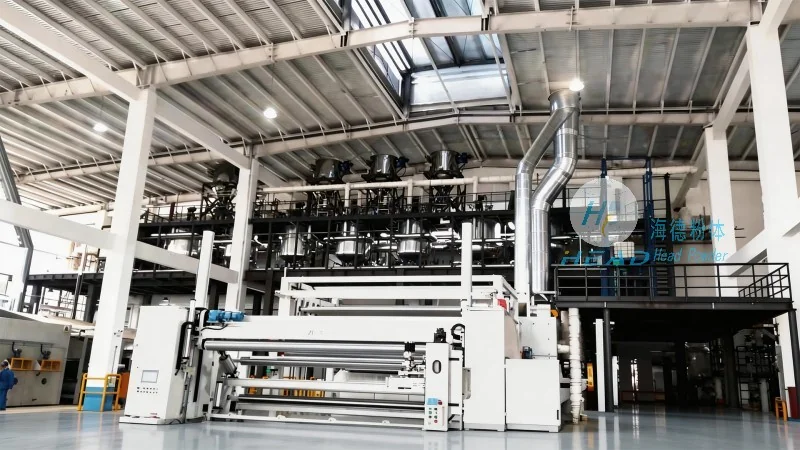
Key Components and Their Functions
The system comprises several essential components, each serving a specific function to ensure smooth operation. The primary components include the material hopper or silo, a feeding device (often a rotary valve or screw feeder), a pneumatic conveying pipeline, a pressure vessel or receiver, and a control system. The material hopper stores the bulk powder, while the feeding device regulates the flow rate of the material into the conveying line. The pneumatic conveying pipeline transports the material using compressed air or gas, which creates a flow that carries the powder particles through the system. The pressure vessel or receiver collects the material at the destination and may include a dust collection system to ensure environmental compliance. The control system monitors and adjusts the operation parameters, such as air pressure, flow rate, and material level, to maintain optimal performance.
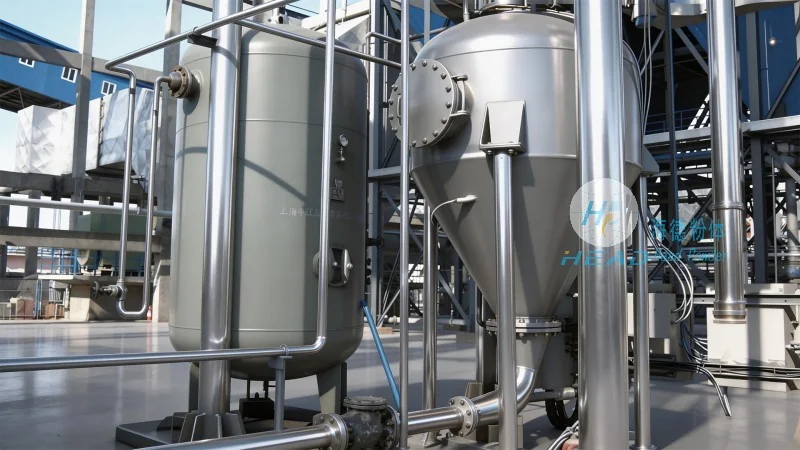
Operation Process of the System
The operation process of the automatic feeding pneumatic conveying system typically follows a sequence of steps to ensure efficient material transfer. First, the material is stored in the hopper or silo. The feeding device then starts to discharge the material at a controlled rate, which is determined by the production requirements and the system's design. The compressed air or gas is introduced into the conveying pipeline, creating a positive pressure that propels the powder particles forward. As the material travels through the pipeline, it may encounter various components like bends, filters, or expansion joints, which are designed to minimize pressure loss and prevent material blockages. The material is then delivered to the pressure vessel or receiver at the destination. The control system continuously monitors the system's performance, adjusting the air pressure or flow rate as needed to maintain a stable material flow. The entire process is automated, allowing for consistent and reliable operation without manual intervention, except for routine maintenance and system checks.
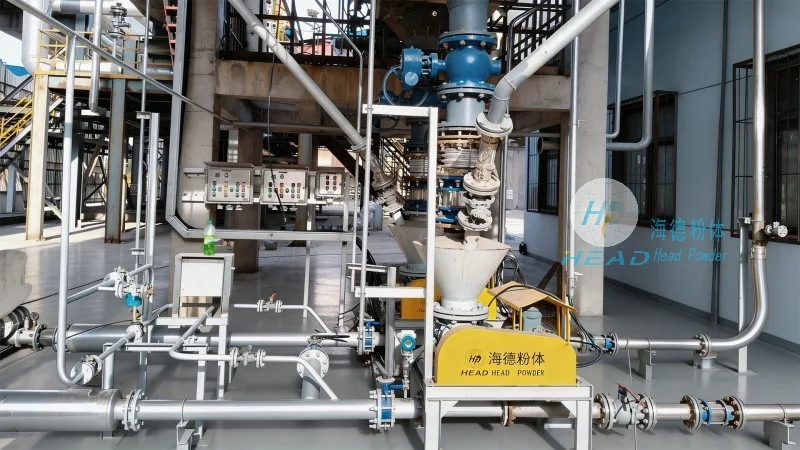
Working Principle of the Pneumatic Conveying Mechanism
The working principle of the automatic feeding pneumatic conveying system is based on the use of compressed air or gas to transport powdered materials. The system operates on the principle of fluidization, where the air flow creates a suspension of the powder particles, allowing them to be carried through the pipeline. The key to efficient conveying is maintaining a proper air-to-material ratio, which ensures that the powder particles are fully entrained by the air stream and do not settle or deposit in the pipeline. The system can operate in either positive pressure or negative pressure (vacuum) modes. In positive pressure systems, the conveying line is pressurized with air, pushing the material forward. In negative pressure systems, a vacuum is created at the receiver end, pulling the material through the pipeline. The choice of mode depends on the material characteristics, distance to be conveyed, and system design. The control system plays a critical role in maintaining the air pressure and flow rate, ensuring that the material is conveyed at the desired speed and without excessive pressure drops or material degradation.
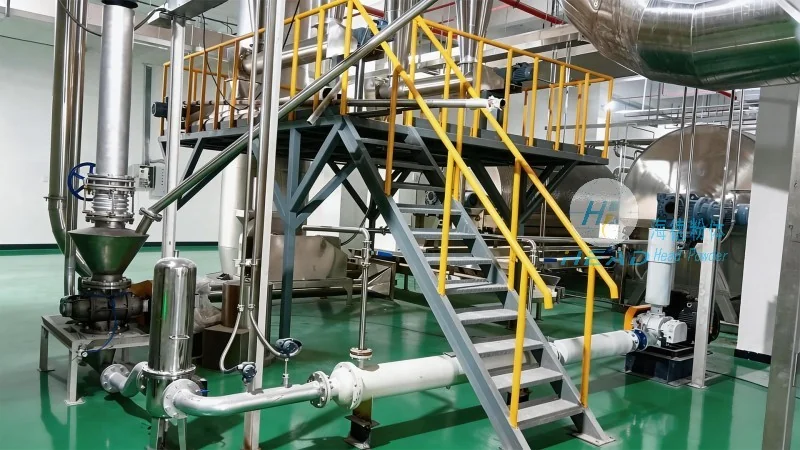
Advantages and Applications
The automatic feeding pneumatic conveying system offers several advantages over traditional material handling methods, such as belt conveyors or manual handling. These advantages include high efficiency, as the system can operate continuously and at high speeds, reducing production downtime. The system also provides a hygienic and dust-free environment, which is crucial in industries like food and pharmaceuticals where product contamination must be minimized. Additionally, the system is flexible and can be easily integrated with other processing equipment, allowing for seamless material transfer between different stages of production. The system is widely used in various applications, including the transportation of powders like flour, cement, and chemicals, as well as in the pharmaceutical industry for the handling of active ingredients and excipients. The system's ability to handle a wide range of materials, from fine powders to bulk materials, makes it a versatile solution for many industrial processes.




