HeadPowder, a leading manufacturer based in Shandong, China, specializes in the design and implementation of advanced pneumatic conveying systems tailored for lithium iron phosphate (LiFePO₄) powder applications. This article provides a detailed overview of the operational process and underlying principles of such systems, highlighting their efficiency, reliability, and suitability for handling fine powders like LiFePO₄.
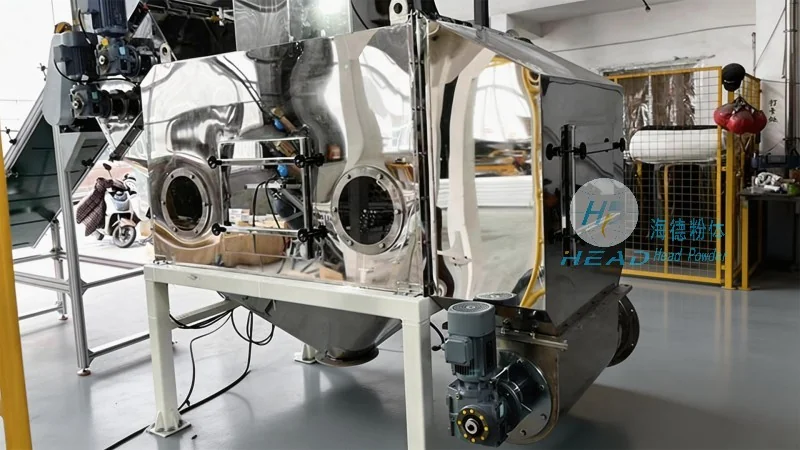
Understanding the Core Components and Functionality
The lithium iron phosphate powder pneumatic conveying system comprises several key components that work in concert to transport the material from a source to a destination. These components typically include a hopper for material storage, a rotary valve or feeder to control the flow rate, a conveying line (often equipped with pressure vessels or ducts), and a receiver for the material's final deposition. The system operates by using compressed air or gas to create a flow that entrains the powder particles, moving them through the pipeline under controlled pressure and velocity.
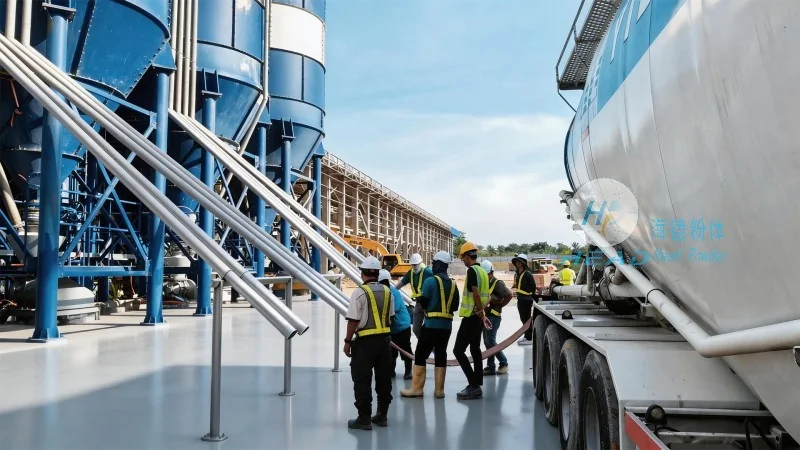
Step-by-Step Operational Process
The operation of the system begins with the loading of lithium iron phosphate powder into the hopper. The rotary valve or feeder then regulates the discharge of the powder, ensuring a consistent flow rate. As the powder enters the conveying line, the compressed air is introduced, creating a pneumatic stream that lifts and transports the particles. The conveying line may include bends, expansions, or other features designed to handle the specific characteristics of LiFePO₄ powder, such as its fine particle size and potential for static charge. The receiver at the end of the line collects the conveyed powder, completing the process. The entire operation is typically automated, with controls that monitor pressure, flow rate, and other parameters to maintain optimal performance.
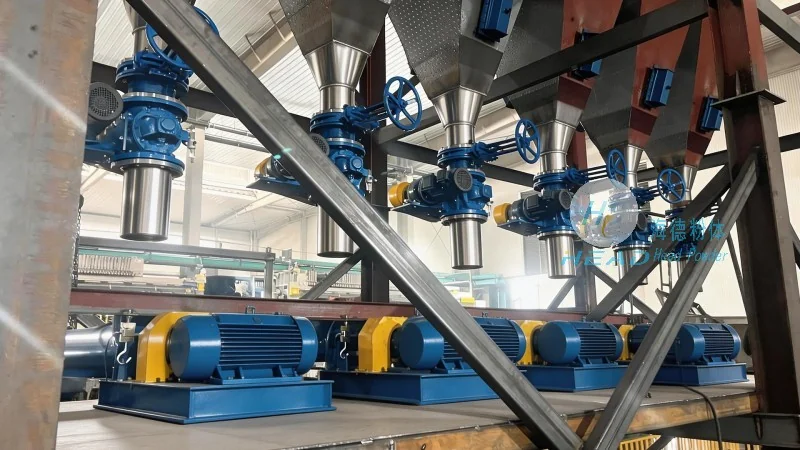
Working Principles: Fluidization and Particle Transport
The fundamental principle behind pneumatic conveying is the creation of a fluidized state where the powder particles are suspended in the air stream. This is achieved by adjusting the air velocity to match the terminal velocity of the powder particles, ensuring that they remain entrained and do not settle out of the conveying line. For lithium iron phosphate powder, which often has a relatively high density and fine particle size, the system must be designed to handle these characteristics effectively. The use of positive pressure systems (where air is blown into the line) is common for this application, as it provides better control over the flow and reduces the risk of dust accumulation or material degradation.
Advantages and Applications in Industrial Settings
Lithium iron phosphate powder pneumatic conveying systems offer several advantages for industrial applications, particularly in battery manufacturing and material processing. These systems provide a dust-free and enclosed method of transporting fine powders, reducing the risk of contamination and improving safety in the workplace. The ability to handle large volumes of material efficiently and with minimal downtime makes them ideal for high-throughput production lines. Additionally, the flexibility of pneumatic conveying allows for easy integration with existing production equipment, enabling seamless material transfer between processes.
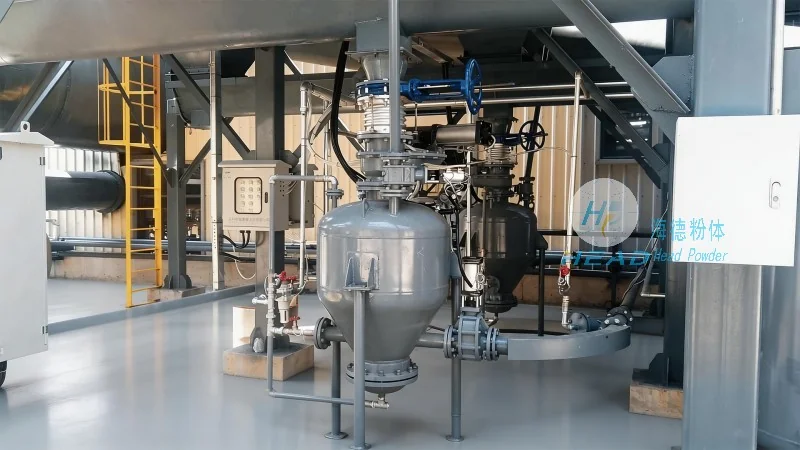
Conclusion and Company Overview
HeadPowder Engineering Co., Ltd., with its headquarters in Shandong, China, is dedicated to delivering high-quality pneumatic conveying solutions for lithium iron phosphate powder and other fine materials. By leveraging advanced engineering and manufacturing capabilities, the company ensures that its systems meet the stringent requirements of modern industrial applications. The operational process and working principles outlined above demonstrate the efficiency and reliability of these systems, making them a preferred choice for businesses seeking to optimize their material handling processes.




