Arising from the need for efficient and safe handling of arsenic trioxide powder, pneumatic conveying systems have become a critical solution in industrial applications. This article provides a detailed overview of the operation process and working principles of such systems, with a focus on the expertise of Shandong HeadPowder Engineering Co., Ltd., a leading provider in the field.
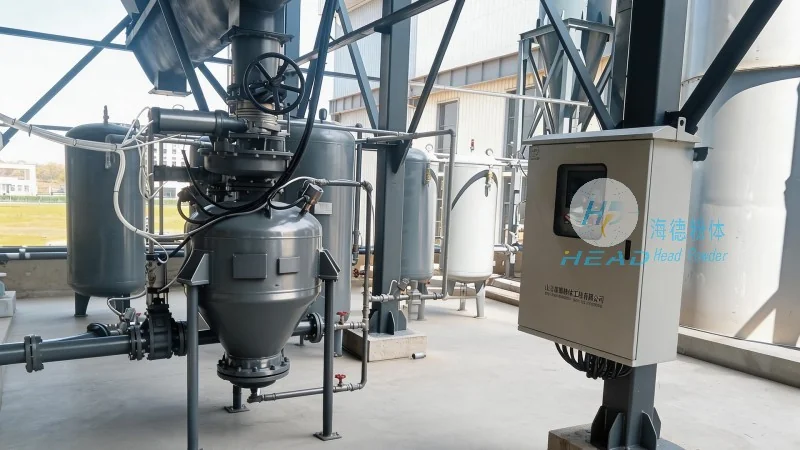
Working Principle of Pneumatic Conveying Systems
The core principle of pneumatic conveying involves transporting bulk materials through a pipeline using a gas stream, typically air. In the case of arsenic trioxide powder, the system utilizes a pressure or vacuum-driven mechanism to move the material from the source to the destination. The process begins with the material being fed into a hopper or feeder, where it is then introduced into the conveying line. A fan or blower generates the necessary airflow, which propels the powder particles through the pipeline. The design of the system, including the velocity and pressure of the air, is crucial to ensure stable and efficient transport without causing particle degradation or system blockages.
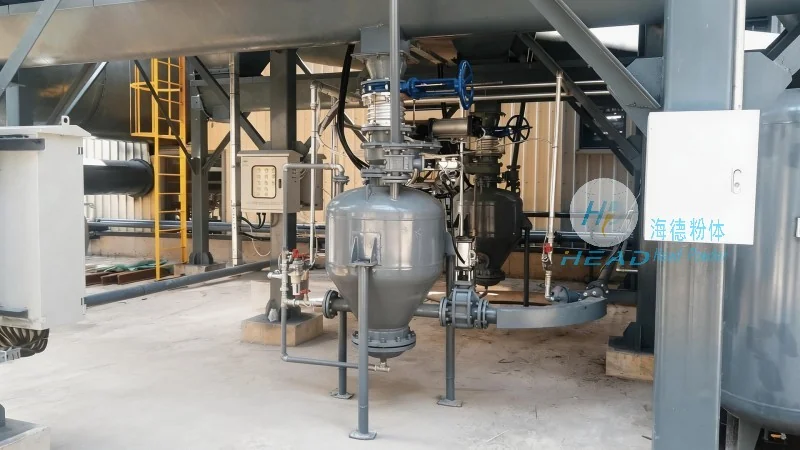
Operation Process of the System
The operation process of an arsenic trioxide powder pneumatic conveying system can be broken down into several key stages. First, the material preparation stage involves ensuring the powder is free from clumps or moisture, as these can affect the conveying efficiency. The feeder, often a rotary valve or a screw feeder, then meters the material at a controlled rate into the conveying line. Next, the material is transported through the pipeline under the pressure of the air stream. The system may include intermediate separation or mixing points to adjust the flow or to combine materials if required. Finally, the material is discharged at the destination, where it is collected in a storage vessel or processing unit. Throughout the process, the system is equipped with sensors and controls to monitor pressure, flow rate, and other parameters, ensuring optimal performance and safety.
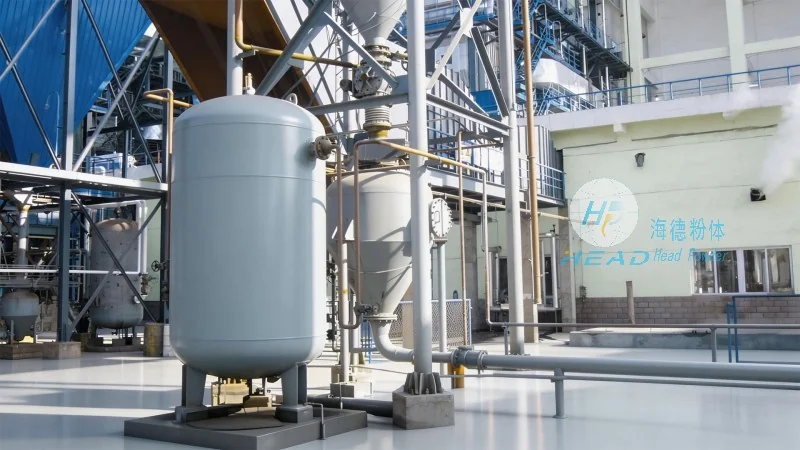
Key Components and Their Functions
Several critical components work in tandem to ensure the smooth operation of the pneumatic conveying system. The feeder is responsible for delivering the arsenic trioxide powder into the system at a consistent rate, preventing overloading or underloading. The air compressor or fan provides the necessary pressure or vacuum to move the material through the pipeline. The conveying pipeline, typically made of stainless steel or other corrosion-resistant materials, is designed to withstand the abrasive nature of the powder and the pressure of the air. The separation or cyclone unit is used to separate the powder from the air stream at the end of the line, ensuring that the material is collected efficiently and that the air is filtered before release. Additionally, control valves and sensors are integrated to regulate the flow and monitor system performance, providing real-time data for maintenance and operational adjustments.
Advantages of Using Pneumatic Conveying for Arsenic Trioxide
Implementing a pneumatic conveying system for arsenic trioxide offers several advantages over traditional methods such as bucket elevators or belt conveyors. One of the primary benefits is enhanced safety, as the material is contained within the pipeline, reducing exposure risks for operators. The system also provides a more hygienic and dust-free environment, which is crucial for handling toxic materials like arsenic trioxide. Additionally, pneumatic conveying allows for greater flexibility in system layout, as the pipeline can be routed around obstacles and in multiple directions. The process is also more energy-efficient compared to mechanical systems, as it eliminates the need for moving parts that can wear out or require frequent maintenance. Furthermore, the system can handle varying material flow rates and can be easily integrated with other processing equipment, making it a versatile solution for industrial applications.
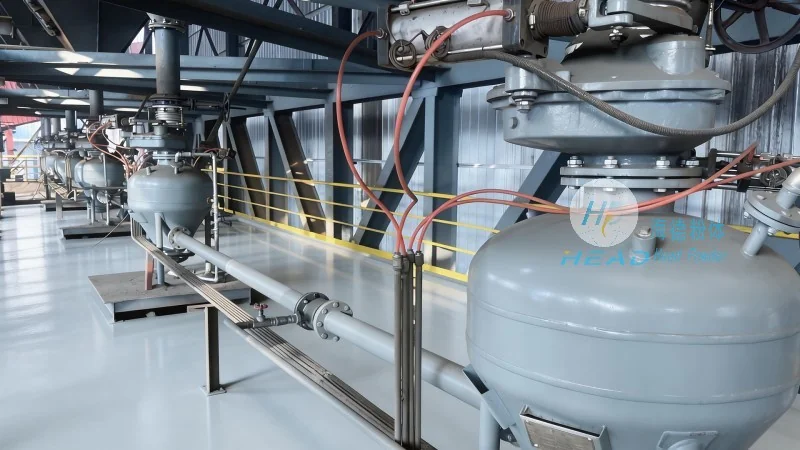
Company Profile: Shandong HeadPowder Engineering Co., Ltd.
Shandong HeadPowder Engineering Co., Ltd., commonly known as HeadPowder, is a reputable company based in Shandong, China, specializing in the design, manufacturing, and installation of pneumatic conveying systems for various industrial applications. With a strong focus on safety, efficiency, and reliability, HeadPowder has established itself as a trusted partner in the handling of hazardous materials such as arsenic trioxide. The company leverages advanced engineering and manufacturing capabilities to develop customized solutions that meet the specific needs of clients, ensuring optimal performance and compliance with industry standards. HeadPowder's commitment to quality and customer satisfaction has made it a leading provider in the field, serving clients across different industries with expertise and professionalism.




