Shandong HeadPowder Engineering Co., Ltd. specializes in the design, manufacturing, and supply of advanced pneumatic conveying systems tailored for high-alumina fly ash powder handling. The company, commonly known as headpowder, is headquartered in Shandong, China, and has established itself as a leading provider in the field of industrial powder transportation solutions. This article delves into the operational process and underlying working principles of their high-alumina fly ash powder pneumatic conveying equipment, offering a comprehensive understanding of how these systems efficiently transport bulk materials.
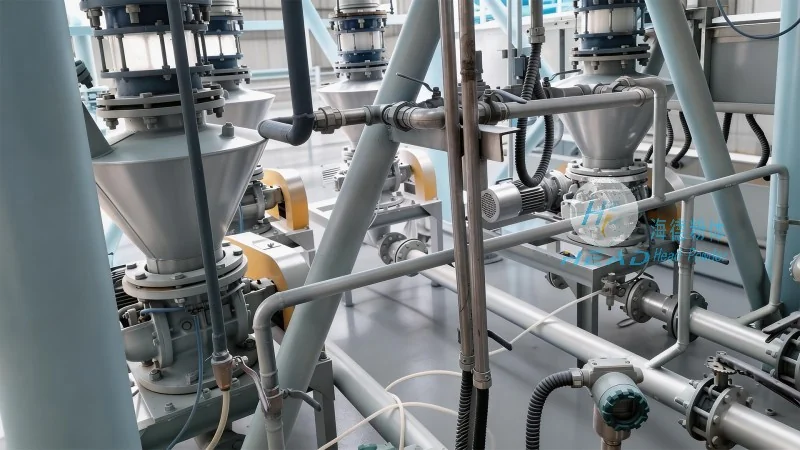
Key Components and System Architecture
The high-alumina fly ash powder pneumatic conveying system by headpowder typically comprises several critical components that work in tandem to ensure reliable and efficient material transport. These include the material hopper, air compressor, conveying pipeline, control valve, and dust collection unit. The material hopper is designed to store the high-alumina fly ash powder, providing a consistent feed to the system. The air compressor generates the necessary pressure and airflow to move the powder through the pipeline. The conveying pipeline, often made of stainless steel or other corrosion-resistant materials, is configured with appropriate bends and fittings to accommodate the material's flow characteristics. The control valve regulates the air flow and pressure, allowing for precise control over the conveying process. Finally, the dust collection unit ensures environmental compliance by capturing any airborne particles during operation.
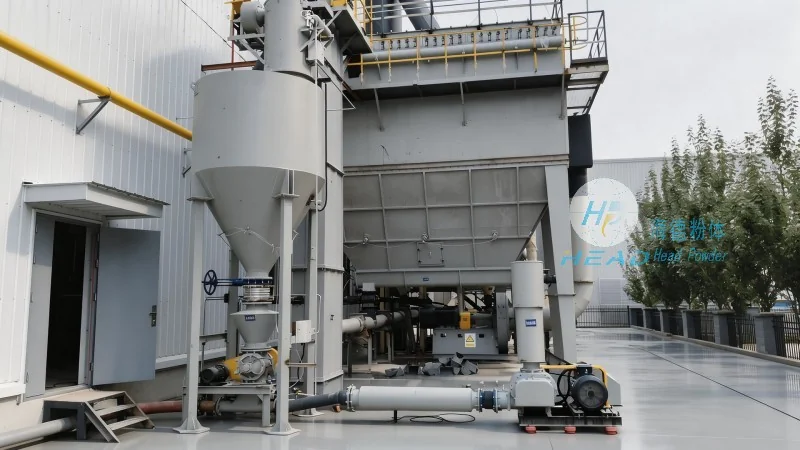
Operation Process of the Pneumatic Conveying System
The operation of the high-alumina fly ash powder pneumatic conveying equipment follows a systematic sequence that ensures smooth and continuous material transport. The process begins with the loading of high-alumina fly ash powder into the material hopper. Once the hopper is filled, the air compressor is activated, generating a high-pressure air stream. The control valve then opens, allowing the compressed air to enter the conveying pipeline and create a negative pressure zone at the hopper outlet. This pressure differential draws the fly ash powder into the pipeline, where it is suspended and carried by the air flow to the destination point. The material is then discharged from the pipeline into the receiving hopper or storage silo at the end of the conveying line. Throughout the process, the system continuously monitors pressure, flow rate, and other parameters to maintain optimal performance and prevent blockages or other operational issues.
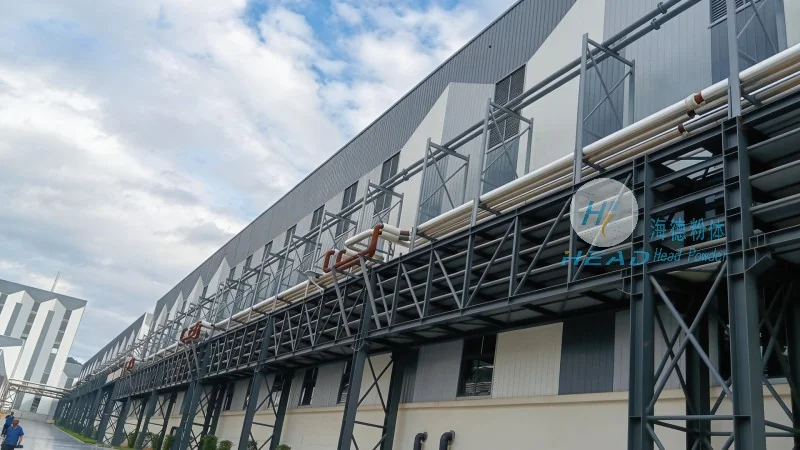
Working Principle of the Pneumatic Conveying Technology
The working principle of the high-alumina fly ash powder pneumatic conveying system is based on the fundamental concept of pneumatic transport, where solid particles are suspended and transported by a moving gas stream. In this system, the high-alumina fly ash powder is entrained by the high-pressure air generated by the compressor. The air flow velocity is maintained above the minimum fluidization velocity of the powder, ensuring that the particles remain suspended and do not settle out of the pipeline. The pressure differential created by the compressor and control valve provides the necessary force to move the powder through the system. The conveying pipeline's design, including its diameter, length, and bends, is optimized to minimize pressure drop and maintain consistent airflow. The dust collection unit operates by using cyclonic separation or filtration to capture any fine particles that may be carried along with the powder, ensuring that the system meets environmental regulations and maintains a clean operating environment.
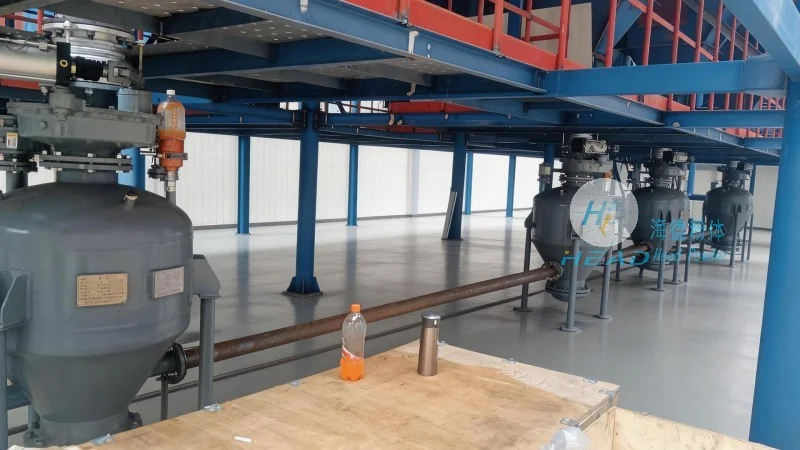
Advantages and Applications of the High-Alumina Fly Ash Powder Pneumatic Conveying Equipment
The high-alumina fly ash powder pneumatic conveying equipment offered by headpowder provides several advantages over traditional bulk material handling methods. These include the ability to transport materials over long distances, the elimination of mechanical wear and tear on equipment, and the reduction of dust exposure for operators. The system is particularly suitable for high-alumina fly ash, which is a byproduct of coal combustion and is commonly used in cement production, concrete manufacturing, and other construction applications. The equipment's design allows for the efficient and safe handling of this material, ensuring compliance with environmental and safety standards. Additionally, the system's modular design enables easy integration into existing industrial facilities and can be customized to meet specific customer requirements, such as varying material flow rates or conveying distances.




