Grass pellet powder pneumatic conveying equipment is a specialized system designed for the efficient transport of grass pellet powders in industrial settings. This equipment plays a crucial role in various applications, including agricultural processing, biomass energy production, and material handling in related industries. The system combines advanced engineering principles with practical design to ensure reliable and efficient material transport, meeting the demands of modern industrial operations.
Key Components and Their Functions
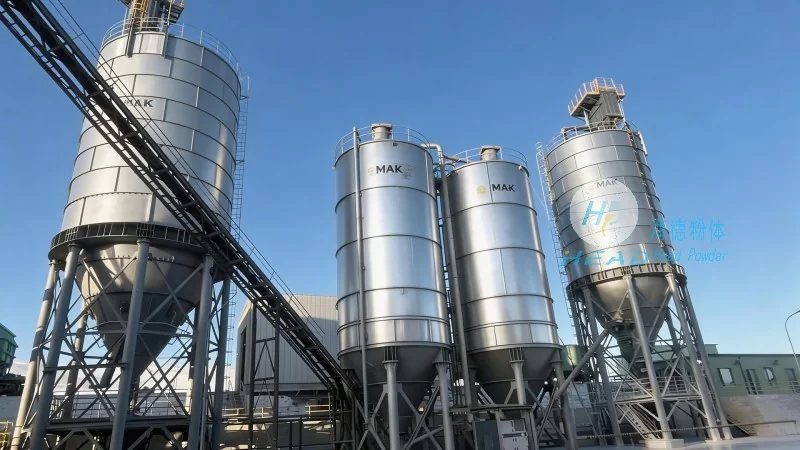
The operation of grass pellet powder pneumatic conveying equipment relies on several key components that work in harmony to achieve effective material transport. These components include the hopper for material storage, the air compressor or blower to generate the necessary air pressure, the pipeline system for conveying the material, and the control system to regulate the flow and pressure. Each component is carefully designed to handle the specific characteristics of grass pellet powders, such as their particle size, moisture content, and flowability. The hopper ensures a consistent feed of material, while the air compressor provides the driving force for the conveying process. The pipeline system, often made of durable materials like stainless steel or plastic, is engineered to minimize material degradation and pressure loss. The control system allows operators to monitor and adjust the conveying parameters in real-time, ensuring optimal performance and preventing system failures.
Operation Process of the Pneumatic Conveying System
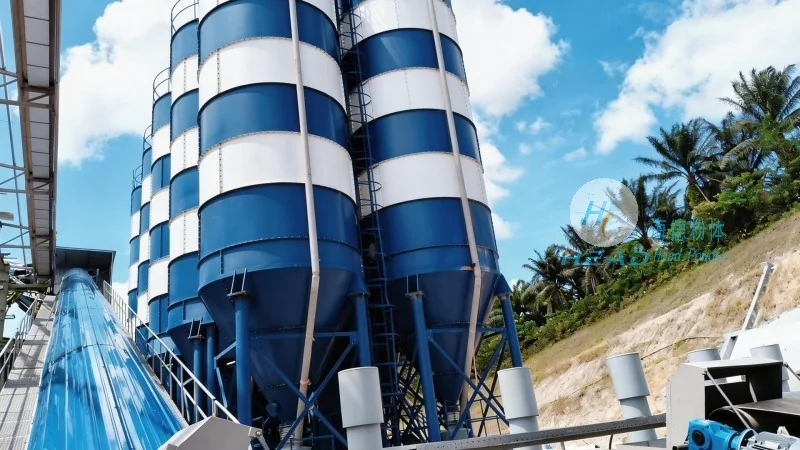
The operation process of grass pellet powder pneumatic conveying equipment typically involves several sequential steps. First, the grass pellets are fed into the hopper from a storage silo or raw material source. The material is then discharged from the hopper into the conveying pipeline through a feeder mechanism, such as a rotary valve or a screw feeder. Simultaneously, the air compressor generates high-pressure air, which is introduced into the pipeline. The air and material mixture travels through the pipeline at a controlled velocity, ensuring that the pellets are carried to the destination without clogging or degradation. At the receiving end, the material is separated from the air using a separator, such as a cyclone or a filter, and the air is either recirculated or discharged. The separated material is then collected in a receiving hopper or directly transferred to the next processing stage. This process is continuous and can be adjusted to handle varying material volumes and flow rates, making it suitable for both small-scale and large-scale industrial applications.
Working Principle of the Pneumatic Conveying Technology
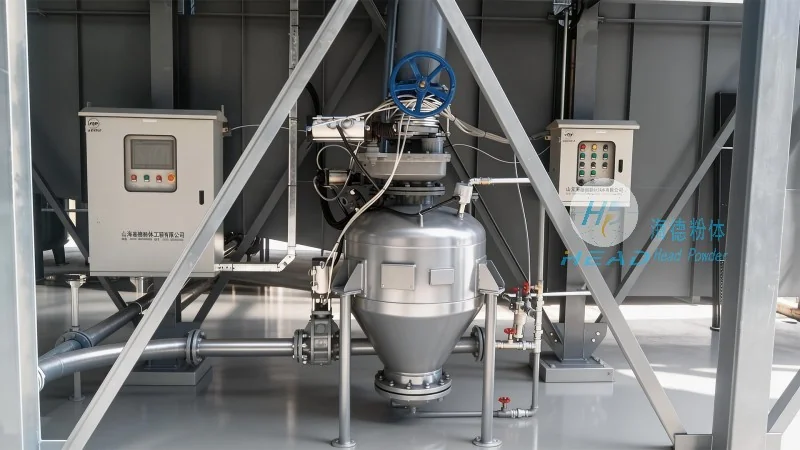
The working principle of grass pellet powder pneumatic conveying equipment is based on the fundamental concept of fluidization and suspension of solid particles in a gas stream. When air is introduced into the conveying pipeline at a sufficient velocity, the grass pellets are lifted and carried along with the air flow. This phenomenon is known as pneumatic conveying, which can be categorized into different types based on the air flow direction and pressure. In positive pressure systems, the air is forced through the pipeline, creating a positive pressure environment that pushes the material forward. In negative pressure systems, the air is drawn from the pipeline, creating a vacuum that pulls the material into the system. The choice of system depends on factors such as the distance of transport, the material characteristics, and the required flow rate. The key to efficient operation is maintaining the correct air-to-material ratio, which ensures that the pellets are fully suspended and transported without settling or clogging. The system also incorporates features like air filtration and moisture control to maintain the quality of the grass pellets during transport, preventing issues like clumping or degradation.
Advantages of Using Grass Pellet Powder Pneumatic Conveying Equipment
There are several advantages to using grass pellet powder pneumatic conveying equipment in industrial applications. One of the primary benefits is the ability to transport materials over long distances without the need for mechanical conveyors, which can be costly and space-consuming. The system is also highly flexible, allowing for changes in the conveying route or material volume without significant modifications. Additionally, pneumatic conveying systems are capable of handling materials with varying particle sizes and moisture content, making them suitable for diverse grass pellet products. The equipment is also relatively easy to install and maintain, with components that are designed for durability and low maintenance. Another advantage is the reduced risk of material contamination, as the system is enclosed and can be operated in a controlled environment. This is particularly important for grass pellets intended for animal feed or biomass energy production, where quality and purity are critical. Furthermore, the system can be integrated with other processing equipment, such as pellet mills or boilers, to create a seamless production line, improving overall efficiency and productivity.
Application Scenarios and Industrial Use Cases
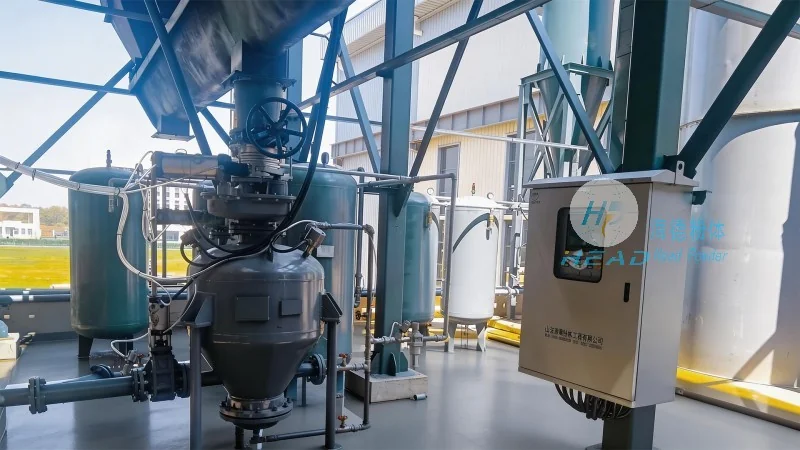
Grass pellet powder pneumatic conveying equipment is widely used in various industrial sectors, particularly in the agricultural and biomass energy industries. In agricultural processing, the equipment is used to transport grass pellets from storage facilities to processing plants, such as pellet mills or drying units. This ensures a continuous supply of raw material for production, reducing downtime and improving operational efficiency. In biomass energy production, the system is used to convey grass pellets from storage to boilers or combustion facilities, where they are burned to generate heat or electricity. The efficient transport of biomass materials is crucial for the viability of biomass energy projects, as it directly impacts the cost and reliability of energy production. Additionally, the equipment is used in feed manufacturing, where grass pellets are mixed with other ingredients to produce animal feed. The pneumatic conveying system ensures that the grass pellets are evenly distributed and mixed with other components, resulting in high-quality feed products. In addition to these applications, the equipment is also used in research and development facilities, where it is used to transport and test different grass pellet formulations and processing conditions. This allows researchers to evaluate the performance of new materials and optimize the processing parameters for improved efficiency and quality.




