HeadPowder, a leading manufacturer based in Shandong, China, specializes in the design, development, and implementation of advanced negative pressure dilute phase powder pneumatic conveying systems. These systems are engineered to efficiently transport bulk powders over long distances with minimal pressure differentials, making them ideal for industries such as food processing, pharmaceuticals, and chemical manufacturing. The following article provides a detailed overview of the operation process and working principles of these systems, highlighting their key components and operational efficiency.
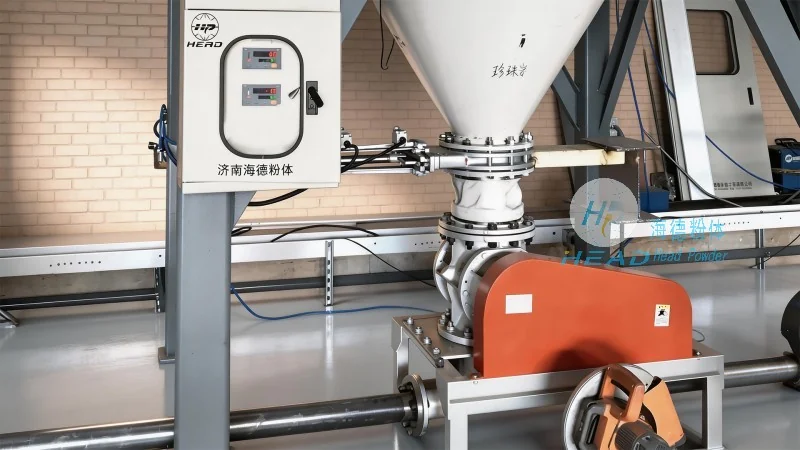
Key Components of Negative Pressure Dilute Phase Pneumatic Conveying Lines
The negative pressure dilute phase powder pneumatic conveying line consists of several critical components that work in tandem to ensure reliable and efficient powder transport. The primary components include the material feed hopper, the conveying line (typically a flexible or rigid pipe), the vacuum pump or fan, and the dust collection system. The feed hopper is responsible for storing and feeding the powder into the conveying line, while the vacuum pump creates a negative pressure environment that draws the powder particles into the system. The conveying line transports the powder mixture, and the dust collection system ensures that any airborne particles are captured and returned to the system, maintaining product purity and environmental compliance.
Operation Process of the System
The operation of a negative pressure dilute phase powder pneumatic conveying system involves several sequential steps. First, the powder is loaded into the feed hopper from the storage silo or bulk container. The feed hopper is equipped with a rotary valve or screw feeder that controls the flow rate of the powder into the conveying line. As the vacuum pump operates, it creates a negative pressure within the system, causing the powder to be drawn into the line along with the air. The mixture of powder and air travels through the conveying line at a high velocity, typically ranging from 20 to 30 meters per second, depending on the system design and the properties of the powder being conveyed. The system is designed to maintain a dilute phase condition, where the powder particles are suspended in the air stream rather than settling as a dense phase. This dilute phase operation minimizes the risk of blockages and ensures smooth, continuous transport. The powder mixture then reaches the receiving hopper or destination point, where the vacuum is reduced, allowing the powder to settle and be discharged. The air, now containing any residual dust, is passed through a dust collector, which separates the particles from the air and returns the clean air to the system or to the environment, depending on the system's design and regulatory requirements.
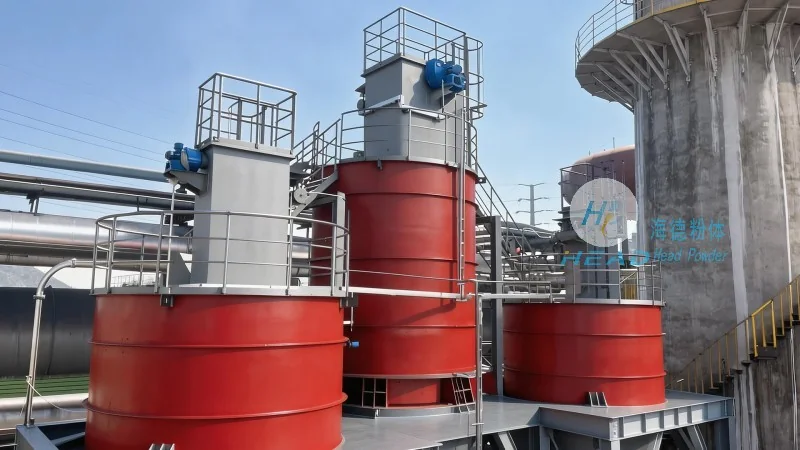
Working Principle of Negative Pressure Dilute Phase Conveying
The working principle of a negative pressure dilute phase powder pneumatic conveying system is based on the creation of a pressure differential between the source and the destination. The system operates by using a vacuum pump to reduce the pressure in the conveying line below the atmospheric pressure at the receiving end. This pressure difference causes the powder to be drawn into the line by the suction action of the vacuum pump. The air, which is also drawn into the system along with the powder, acts as a carrier medium, suspending the powder particles and transporting them through the line. The key to efficient operation is maintaining a dilute phase condition, where the powder concentration is low enough to prevent particle-to-particle contact and blockages. This is achieved by controlling the air flow rate and the feed rate of the powder, ensuring that the powder particles are adequately suspended in the air stream. The system's design, including the pipe diameter, length, and bends, is optimized to minimize pressure losses and maintain the required velocity for effective powder transport. The vacuum pump's capacity and the system's layout are carefully engineered to ensure that the pressure differential is sufficient to overcome the resistance to flow caused by the pipe friction, bends, and other components.
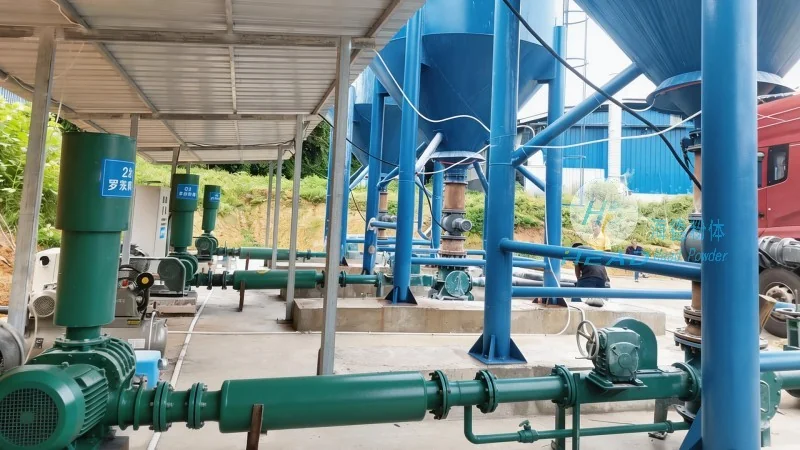
Advantages of Negative Pressure Dilute Phase Pneumatic Conveying
Negative pressure dilute phase powder pneumatic conveying systems offer several advantages over other powder transport methods. One of the primary advantages is the ability to transport powders over long distances with minimal pressure differentials, reducing the need for high-pressure pumps and reducing energy consumption. The system is also highly flexible, as it can be easily adapted to different powder types and process requirements. The negative pressure operation minimizes the risk of dust emissions and contamination, making it suitable for applications where product purity is critical, such as in the pharmaceutical and food industries. Additionally, the system is relatively simple to install and maintain, with fewer moving parts compared to dense phase systems, reducing the risk of mechanical failure and maintenance costs. The dilute phase operation also allows for the transport of a wide range of powder sizes and shapes, including fine powders and powders with high moisture content, without the risk of blockages or agglomeration.
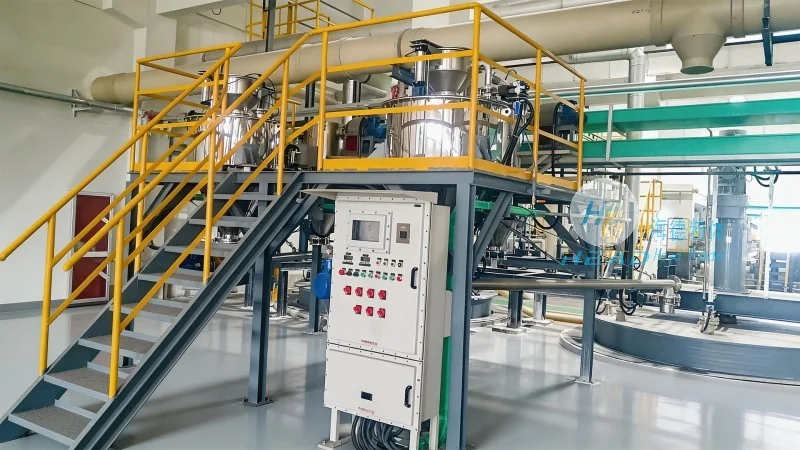
Applications and Industries
HeadPowder's negative pressure dilute phase powder pneumatic conveying systems are widely used in various industries that require the efficient and safe transport of bulk powders. Some of the key applications include the food and beverage industry, where the system is used to transport ingredients such as flour, sugar, and spices from storage to processing lines. In the pharmaceutical industry, the system is used to transport active pharmaceutical ingredients (APIs) and excipients with high purity requirements, ensuring that the powders are not contaminated during transport. The chemical industry also utilizes these systems to transport raw materials and intermediates, such as powders used in the production of plastics, paints, and coatings. Additionally, the system is used in the agricultural industry to transport fertilizers and other agricultural products, and in the mining industry to transport ore powders from processing plants to storage facilities.
Conclusion
HeadPowder's negative pressure dilute phase powder pneumatic conveying systems are a reliable and efficient solution for the transport of bulk powders in various industries. The system's design, based on the principles of negative pressure and dilute phase operation, ensures that powders are transported safely and effectively over long distances with minimal energy consumption. The key components, including the feed hopper, conveying line, vacuum pump, and dust collection system, work together to maintain a consistent flow of powder and air, ensuring that the system operates smoothly and reliably. With its advantages in flexibility, energy efficiency, and product purity, the negative pressure dilute phase powder pneumatic conveying system is an ideal choice for industries that require high-quality powder transport solutions. HeadPowder, with its expertise in engineering and manufacturing, provides customized solutions tailored to the specific needs of each client, ensuring that the system meets the highest standards of performance and reliability.




