

[Detailed Explanation of Dry Desulfurization Fly Ash Pneumatic Conveying System]
For industrial applications requiring efficient and reliable handling of dry desulfurization fly ash, the pneumatic conveying system offers a robust solution. This system is designed to transport fly ash from the desulfurization unit to storage or disposal sites with minimal loss and maximum operational efficiency.
Introduction to Dry Desulfurization Fly Ash and Pneumatic Conveying
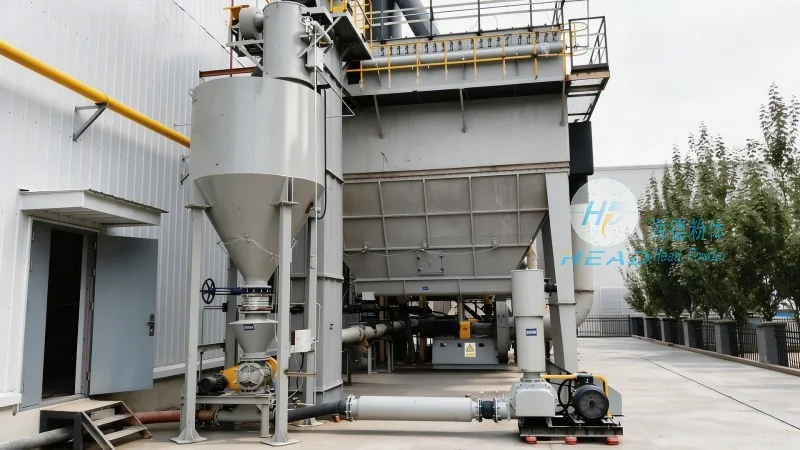
Dry desulfurization processes in power plants and industrial facilities produce fly ash, a byproduct that needs to be managed properly. The traditional methods of handling fly ash, such as belt conveyors or bucket elevators, often face challenges like material degradation, dust emissions, and high maintenance costs. Pneumatic conveying systems address these issues by utilizing air to transport the ash, ensuring a cleaner and more efficient operation.
Key Components of the Pneumatic Conveying System
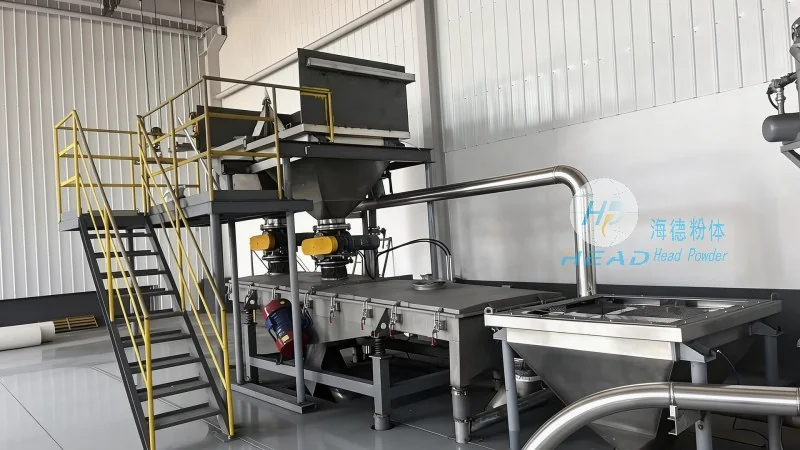
The pneumatic conveying system for dry desulfurization fly ash typically consists of several key components. These include the ash collection hopper, which collects the fly ash from the desulfurization unit; the air compressor or blower, which generates the air pressure needed for conveying; the conveying pipeline, which transports the ash from the source to the destination; and the discharge equipment, such as a rotary valve or a silo, which releases the ash into storage or for further use.
How the System Works: The Pneumatic Conveying Process
The operation of the pneumatic conveying system involves several steps. First, the fly ash is collected in the hopper. Then, the air compressor provides the necessary air pressure, which is introduced into the conveying pipeline. The air flows through the pipeline, carrying the fly ash particles in a suspended state. The mixture of air and ash travels through the pipeline to the discharge point, where the ash is separated from the air and collected. The air is then filtered and recycled back into the system to maintain efficiency.
Advantages of Using a Pneumatic Conveying System for Fly Ash
There are several advantages to implementing a pneumatic conveying system for dry desulfurization fly ash. One of the primary benefits is the reduction in dust emissions, as the system operates in a closed loop, minimizing environmental impact. Additionally, the system offers high efficiency in transporting large volumes of ash with minimal energy consumption compared to traditional methods. The enclosed design also reduces the risk of material spillage and contamination, ensuring a cleaner working environment. Furthermore, the system is highly adaptable, allowing for changes in the conveying distance or volume without significant modifications.
Application Scenarios and Industrial Use Cases
The pneumatic conveying system is widely used in various industrial settings, particularly in power plants and chemical facilities where dry desulfurization is employed. In these applications, the system is responsible for transporting fly ash from the flue gas desulfurization (FGD) unit to a dedicated storage silo or for disposal. The system's ability to handle abrasive and fine particles makes it suitable for long-distance conveying, often covering distances of several hundred meters or more. This makes it an ideal solution for facilities where the ash needs to be transported from the plant to off-site disposal sites or for recycling purposes.
Operational Considerations and Maintenance
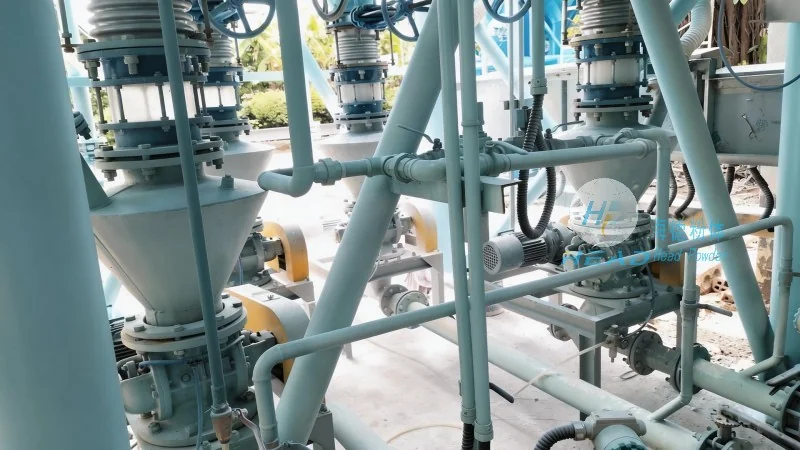
While the pneumatic conveying system offers numerous benefits, proper operation and maintenance are crucial for optimal performance. Regular maintenance of the air compressor, pipeline, and discharge equipment is essential to prevent blockages and ensure consistent airflow. The system should also be equipped with filters to remove any fine particles from the air before recycling, which helps maintain the efficiency of the conveying process. Additionally, monitoring the pressure and flow rates within the system can help identify any issues early, allowing for timely repairs and minimizing downtime.
Conclusion: The Role of Pneumatic Conveying in Modern Industrial Processes
In conclusion, the pneumatic conveying system for dry desulfurization fly ash is a critical component in modern industrial operations. It provides an efficient, reliable, and environmentally friendly method for handling fly ash, addressing the challenges associated with traditional handling methods. By utilizing the expertise of companies like Shandong HeadPowder Engineering Co., Ltd., industries can implement such systems to enhance their operational efficiency and meet environmental regulations. The system's adaptability and cost-effectiveness make it a preferred choice for facilities looking to optimize their fly ash management processes.