Cellulose powder pneumatic conveying equipment is a specialized system designed for the efficient and safe transportation of cellulose powder materials. This equipment is widely used in various industrial applications where the handling of fine powders is essential. The operation process and working principle of such equipment are crucial for understanding its functionality and ensuring optimal performance in industrial settings.
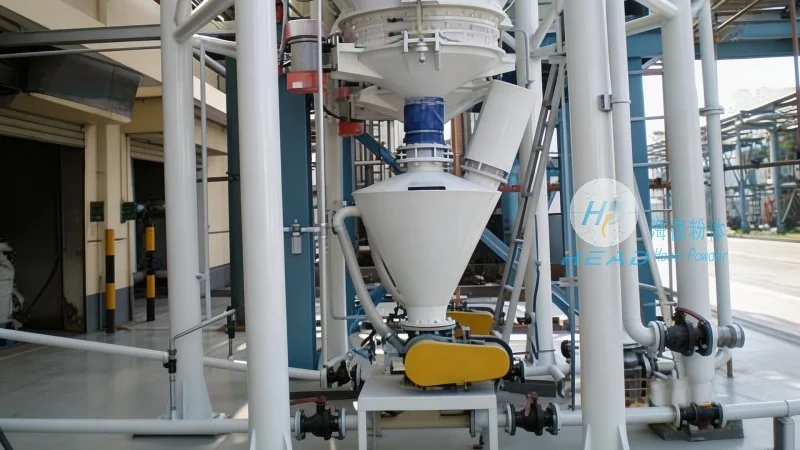
HeadPowder, a leading manufacturer based in Shandong, China, specializes in the design, development, and production of advanced pneumatic conveying systems. With a strong commitment to quality and innovation, the company has established itself as a trusted partner for industries requiring reliable powder handling solutions. The company's headquarters is located in Shandong, providing a strategic base for serving clients both domestically and internationally.
Operation Process of Cellulose Powder Pneumatic Conveying Equipment
The operation process of cellulose powder pneumatic conveying equipment involves several key steps that ensure the smooth and efficient transfer of powder from the source to the destination. The first step typically involves the preparation of the powder material, where the cellulose powder is loaded into the hopper or storage silo. This hopper is equipped with a feeding mechanism, such as a rotary valve or a screw feeder, which controls the flow rate of the powder into the conveying line.
Once the powder is fed into the conveying line, the second step involves the generation of air flow. This is achieved through a blower or a fan that creates a pressure differential within the system. The air flow is directed through the pipeline, creating a stream that can carry the powder particles. The velocity of the air is critical, as it must be sufficient to overcome the gravitational force and the drag forces acting on the powder particles.
In the third step, the powder particles are entrained by the air stream and transported through the pipeline. The conveying line may include various components such as elbows, bends, and expansion joints to accommodate changes in direction and elevation. These components are designed to minimize pressure loss and ensure the continuous flow of the powder-air mixture.
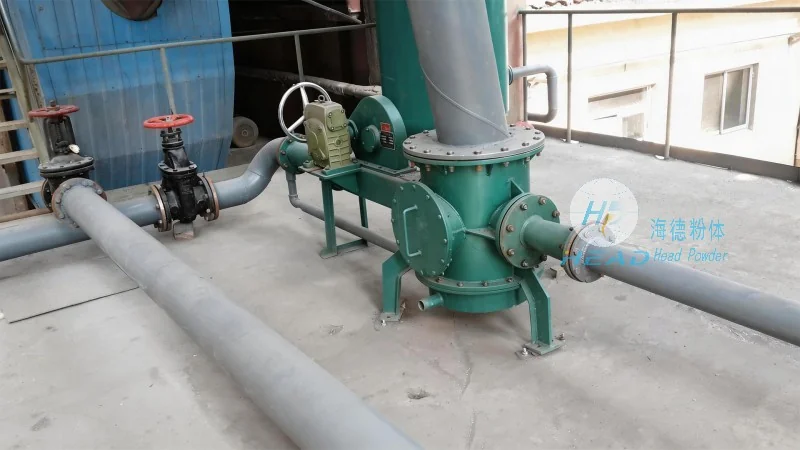
The fourth step involves the discharge of the powder at the receiving end. The receiving hopper or silo is equipped with a discharge valve or a rotary valve to control the release of the powder. The air flow is then directed to a filter or a cyclone separator to remove any residual powder particles from the air stream, ensuring that the exhaust air is clean and compliant with environmental regulations.
Working Principle of Cellulose Powder Pneumatic Conveying Equipment
The working principle of cellulose powder pneumatic conveying equipment is based on the principles of fluid dynamics and particle mechanics. The system operates by creating a high-velocity air stream that entrains the powder particles and transports them through the pipeline. The key components of the system include the feeding unit, the air mover, the conveying line, and the receiving unit.
The feeding unit is responsible for controlling the flow rate of the cellulose powder into the conveying line. This unit typically consists of a hopper with a feeding mechanism, such as a rotary valve or a screw feeder, which ensures a consistent and controlled feed of the powder. The feeding mechanism is designed to prevent the formation of bridging or rat-holing, which can occur in fine powders like cellulose.
The air mover, usually a blower or a fan, provides the necessary pressure and flow rate to create the air stream. The air mover is selected based on the specific requirements of the application, such as the volume of powder to be conveyed, the distance of the conveying line, and the characteristics of the powder (e.g., particle size, density, and moisture content).
The conveying line is a network of pipes that connects the feeding unit to the receiving unit. The diameter and length of the pipeline are determined based on the flow rate and the pressure drop considerations. The pipeline may include various fittings and components to ensure the smooth flow of the powder-air mixture and to minimize energy losses.
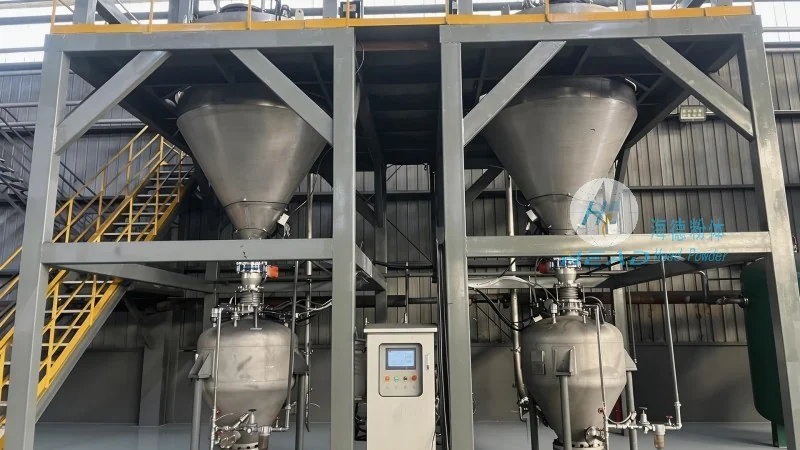
The receiving unit is responsible for collecting the conveyed powder and separating it from the air stream. This unit typically consists of a hopper or a silo with a discharge mechanism, such as a rotary valve or a gate valve. The air stream is then directed to a filter or a cyclone separator to remove any residual powder particles. The clean air is then discharged to the atmosphere, while the collected powder is stored or processed further.
Applications and Benefits of Cellulose Powder Pneumatic Conveying Equipment
Cellulose powder pneumatic conveying equipment is widely used in various industries due to its advantages over traditional conveying methods. Some of the key applications include the food and beverage industry, where the handling of fine powders like cellulose is essential for product formulation. The equipment is also used in the pharmaceutical industry, where the need for clean and hygienic handling of powders is critical. Additionally, the equipment is used in the chemical and agricultural industries for the transportation of various powder materials.
The benefits of using pneumatic conveying systems for cellulose powder include improved efficiency, reduced labor costs, and enhanced safety. The equipment allows for the continuous and automated transfer of powder, reducing the need for manual handling and minimizing the risk of dust exposure. The system also provides better control over the flow rate and the pressure, ensuring consistent and reliable performance. Furthermore, the equipment is designed to minimize the risk of product contamination, which is crucial in industries where product quality is paramount.
Conclusion
Cellulose powder pneumatic conveying equipment is a critical component in the industrial handling of fine powders. The operation process and working principle of such equipment are essential for understanding its functionality and ensuring optimal performance. With advanced design and manufacturing capabilities, companies like Shandong HeadPowder Engineering Co., Ltd. provide reliable and efficient solutions for industries requiring pneumatic conveying systems. By understanding the operation process and working principle, users can ensure the proper maintenance and operation of the equipment, maximizing its lifespan and performance.




