For industries dealing with polyethylene resin powders, efficient and reliable material handling is crucial. This article focuses on the design calculations and equipment selection for pneumatic conveying systems, providing a comprehensive guide to ensure optimal performance and operational efficiency. The content is tailored to help engineers and facility managers select the right components and design parameters for their specific polyethylene resin powder handling needs.
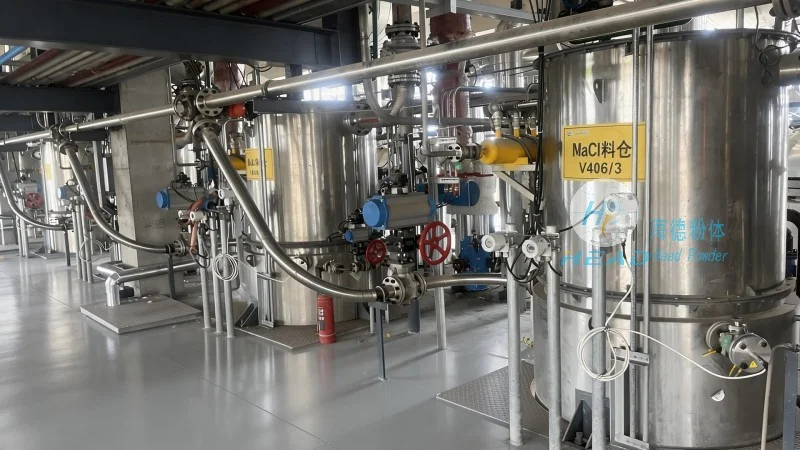
Company Overview: HeadPowder Engineering
HeadPowder, or Shandong HeadPowder Engineering Co., Ltd., is a leading provider of engineering solutions for material handling systems. With a strong presence in China, particularly in Shandong, the company specializes in designing and manufacturing pneumatic conveying equipment tailored to the unique requirements of polyethylene resin powder applications. Their expertise in material flow dynamics, system integration, and equipment optimization ensures that clients receive customized solutions that enhance productivity and reduce operational costs.
Key Design Considerations for Polyethylene Resin Powder Pneumatic Conveying
When designing a pneumatic conveying system for polyethylene resin powder, several critical factors must be considered to ensure system efficiency and longevity. The first step is to assess the physical properties of the resin powder, such as particle size distribution, bulk density, and flowability. These characteristics directly impact the selection of conveying velocity, pressure, and system configuration. For example, fine polyethylene powders may require higher conveying velocities to prevent particle segregation and blockages, while larger particles might benefit from lower velocities to maintain system stability.
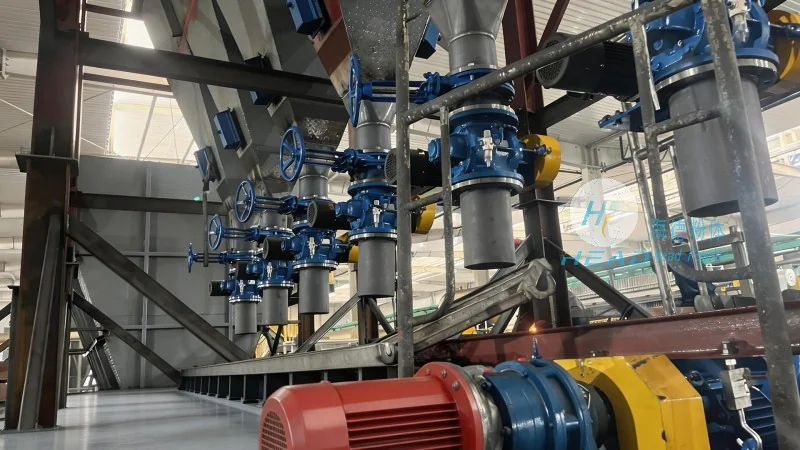
Equipment Selection for Polyethylene Resin Powder Handling
The choice of equipment for polyethylene resin powder pneumatic conveying depends on the specific application requirements, including the distance of material transport, the required flow rate, and the environmental conditions. Key components include the feeding system, conveying line, separation and collection equipment, and control systems. For instance, rotary valves or star feeders are commonly used to provide a consistent and controlled feed of polyethylene resin powder into the conveying line. The conveying line itself can be either positive pressure or negative pressure, with positive pressure systems typically used for long-distance or high-capacity applications. Separation equipment, such as cyclones or bag filters, is essential to collect the powder and prevent dust emissions, ensuring compliance with environmental regulations.
Design Calculations for Pneumatic Conveying Systems
Accurate design calculations are essential to determine the appropriate air velocity, pressure drop, and power requirements for the polyethylene resin powder pneumatic conveying system. The calculation process involves several steps, starting with determining the required conveying velocity based on the powder's physical properties and the system's configuration. The air velocity must be high enough to overcome the gravitational forces and frictional losses in the conveying line but low enough to prevent excessive wear and energy consumption. The pressure drop across the system is calculated by considering the losses in the feeding device, conveying line, bends, and separation equipment. This calculation helps in selecting the appropriate blower or compressor capacity to maintain the required pressure and flow rate. Additionally, the power consumption of the system is estimated to ensure that the selected equipment meets the operational and energy efficiency goals.
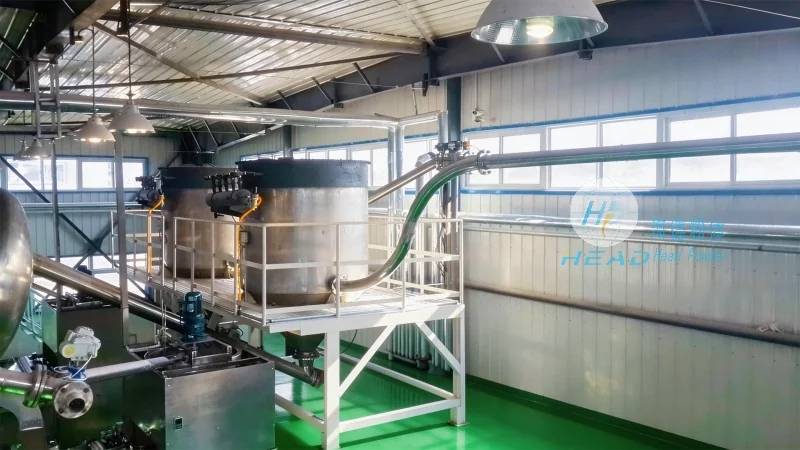
Customization and Integration Services
HeadPowder Engineering offers comprehensive customization and integration services to meet the unique needs of each client. Their team of experienced engineers works closely with clients to understand their specific requirements, from material characteristics to operational constraints. The company provides tailored solutions that integrate the selected equipment with existing facilities or new plant designs. This approach ensures that the pneumatic conveying system is seamlessly integrated into the overall production process, maximizing efficiency and minimizing downtime. Furthermore, HeadPowder offers ongoing support and maintenance services to ensure the long-term performance and reliability of the system.
Conclusion
Designing and selecting the right pneumatic conveying system for polyethylene resin powder is a complex process that requires careful consideration of material properties, system configuration, and operational requirements. By leveraging the expertise of companies like Shandong HeadPowder Engineering Co., Ltd., industries can achieve efficient, reliable, and cost-effective material handling solutions. The combination of accurate design calculations and appropriate equipment selection ensures that polyethylene resin powder is transported safely and efficiently, supporting the overall productivity and success of the operation.




