HeadPowder, a leading engineering firm based in Shandong, China, specializes in the design and implementation of advanced air-driven transport systems tailored for handling sponge sand materials. These systems represent a sophisticated solution for material handling, offering efficient, dust-free, and flexible transportation of bulk materials like sponge sand. The following content provides a detailed overview of the operational process and underlying principles of such air-driven transport systems.
Understanding the Working Principle of Air-Driven Transport
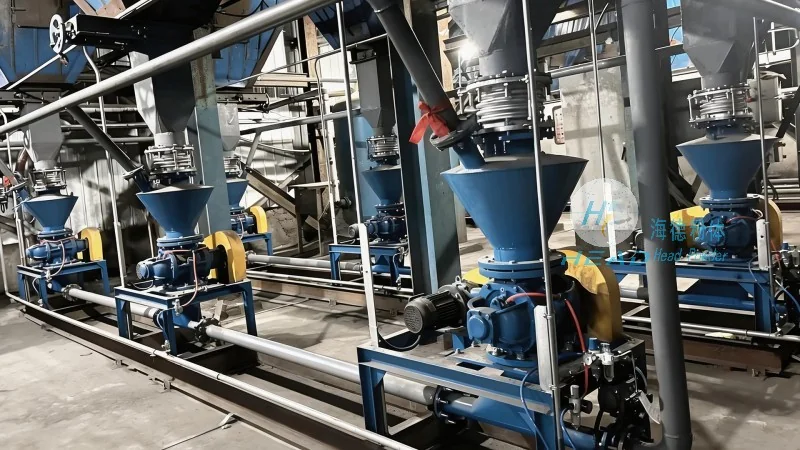
The core principle of air-driven transport, also known as pneumatic conveying, is the use of compressed air to move particulate materials through a pipeline. In the context of sponge sand, this technology leverages the pressure differential created by the air flow to propel the material from the source to the destination. The system typically consists of a hopper, a feeder, a pipeline network, and a receiver. The sponge sand is first fed into the hopper, where it is then introduced into the pipeline by a feeder mechanism. Compressed air, often supplied by a blower or compressor, is introduced at a specific pressure and flow rate, creating a flow that carries the sand particles along the pipeline. The design of the pipeline, including bends, valves, and filters, is critical to maintaining the efficiency and stability of the transport process. The receiver at the end of the pipeline collects the transported sand, completing the cycle.
Step-by-Step Operation Process of the Air-Driven Transport System
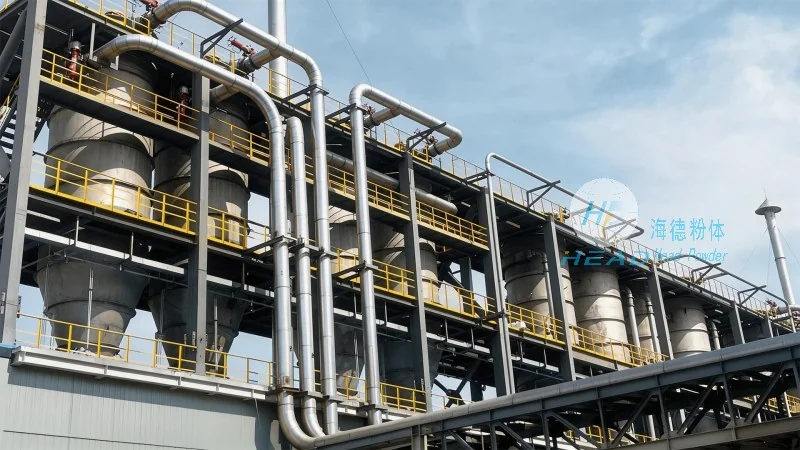
The operation of an air-driven transport system for sponge sand involves several key steps that ensure smooth and continuous material movement. First, the sponge sand is stored in a hopper, which serves as the initial storage and feeding point. The hopper is equipped with a feeder, such as a rotary valve or a screw feeder, that regulates the flow of sand into the pipeline. The feeder is designed to maintain a consistent feed rate, preventing overloading or underfeeding that could disrupt the transport process. Next, compressed air is supplied to the system, typically at a pressure ranging from 0.5 to 1.5 bar, depending on the material characteristics and pipeline length. The air flow is controlled to create a sufficient velocity to carry the sand particles, which is crucial for preventing material deposition or blockages in the pipeline. As the sand enters the pipeline, it is carried by the air stream, moving through the network of pipes to the receiving hopper. The receiver is designed to separate the sand from the air, often using a cyclone separator or a filter, ensuring that the material is collected efficiently and the air is discharged or recirculated. The entire process is automated, with sensors and control systems monitoring the pressure, flow rate, and material level to maintain optimal operation. This automated control ensures that the system operates continuously, minimizing downtime and maximizing productivity.
Key Components and Their Roles in the System
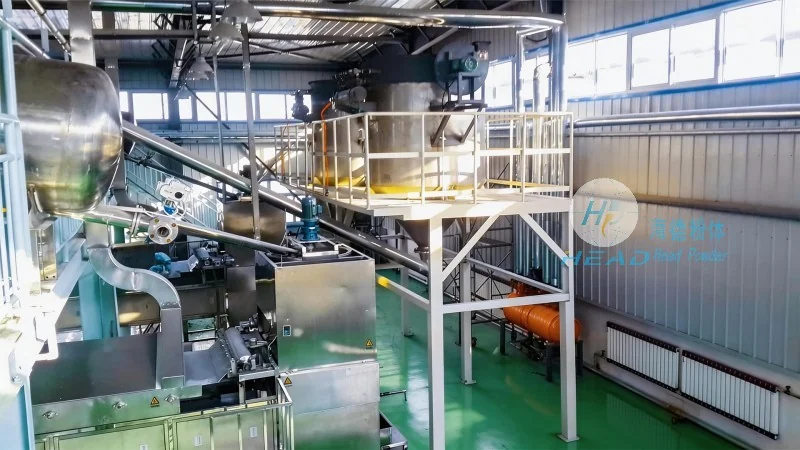
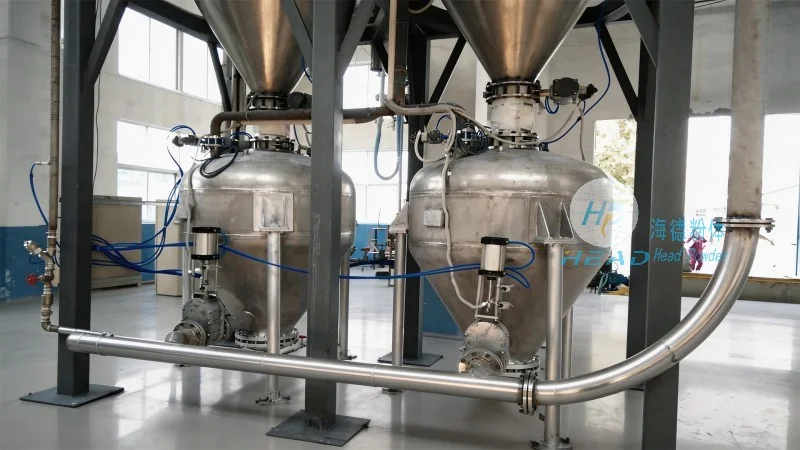
Several critical components are integral to the effective operation of an air-driven transport system for sponge sand. The hopper is the primary storage vessel, providing a large capacity to accommodate the bulk material. It is typically made of durable materials like steel or stainless steel to withstand the abrasive nature of the sand. The feeder, often a rotary valve or a screw feeder, is responsible for controlling the discharge rate of the sand into the pipeline. This component is crucial for maintaining a steady flow, as fluctuations in feed rate can lead to uneven transport or system instability. The blower or compressor is the power source, supplying the compressed air needed to drive the material. The choice of equipment depends on the system's capacity and the required pressure. The pipeline network connects the hopper, feeder, and receiver, and is designed with appropriate diameters and bends to minimize pressure loss and ensure smooth material flow. The receiver, equipped with a separator, collects the sand and separates it from the air. The separator may be a cyclone, which uses centrifugal force to separate the sand from the air, or a filter, which captures fine particles to prevent contamination. The control system, which includes sensors for pressure, flow, and level, monitors the operation and adjusts the system parameters as needed to maintain optimal performance. This integrated approach ensures that all components work in harmony to achieve efficient and reliable transport of sponge sand.
Advantages of Air-Driven Transport for Sponge Sand Applications
Implementing an air-driven transport system for sponge sand offers several advantages over traditional material handling methods. One of the primary benefits is the ability to transport materials in a dust-free environment, which is particularly important for sponge sand, as it can generate significant dust during handling. This reduces the risk of respiratory issues for workers and minimizes the need for dust control measures. Additionally, the system provides flexibility in terms of layout, as the pipeline can be routed in various directions to connect different locations within a facility. This allows for the integration of the transport system with existing infrastructure, reducing installation costs and complexity. The system also offers high efficiency, with minimal material loss and low maintenance requirements compared to other methods like belt conveyors or bucket elevators. Furthermore, the automated control system ensures consistent performance, reducing the need for manual intervention and improving overall productivity. These advantages make air-driven transport an ideal solution for industries that handle sponge sand, such as foundries, construction material manufacturers, and sand processing facilities.
Conclusion and Company Overview
HeadPowder Engineering Co., Ltd., based in Shandong, China, is a trusted provider of air-driven transport systems for sponge sand materials. With a focus on innovation and customer satisfaction, the company designs and manufactures customized solutions that meet the specific needs of its clients. The company's expertise in material handling technology ensures that its systems are efficient, reliable, and cost-effective. By leveraging advanced engineering principles and high-quality components, HeadPowder delivers solutions that enhance productivity and improve operational safety. For businesses looking to optimize their sponge sand handling processes, HeadPowder offers comprehensive services, including system design, installation, and maintenance, ensuring that clients achieve their material transport goals effectively and efficiently.




