Shandong HeadPowder Engineering Co., Ltd., based in Shandong, China, specializes in providing comprehensive solutions for perlite processing and conveying systems. This article focuses on the technical parameters of perlite and the associated conveying system processes, offering insights into the material's characteristics and the engineering approaches for efficient handling and transportation.
Key Technical Parameters of Perlite
Perlite is a natural volcanic glass that expands when heated, making it a lightweight, insulating material widely used in construction, horticulture, and industrial applications. The technical parameters of perlite are critical for ensuring its performance in various end-uses. Key parameters include: density, which typically ranges from 30 to 100 kg/m³ depending on the expansion level; particle size distribution, with common grades ranging from 0.5 to 5 mm for bulk handling; and chemical composition, primarily consisting of silicon dioxide (SiO₂) with trace amounts of aluminum oxide (Al₂O₃), iron oxide (Fe₂O₃), and other minerals. These parameters directly influence the material's bulk density, flowability, and compatibility with downstream processing equipment.
Conveying System Design for Perlite
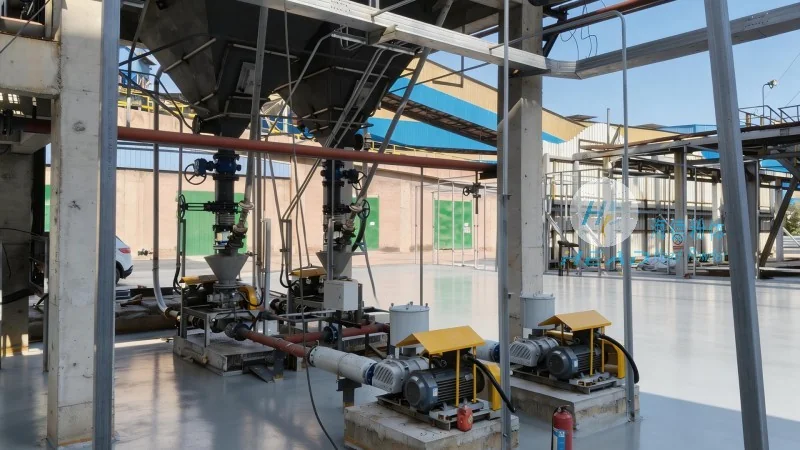
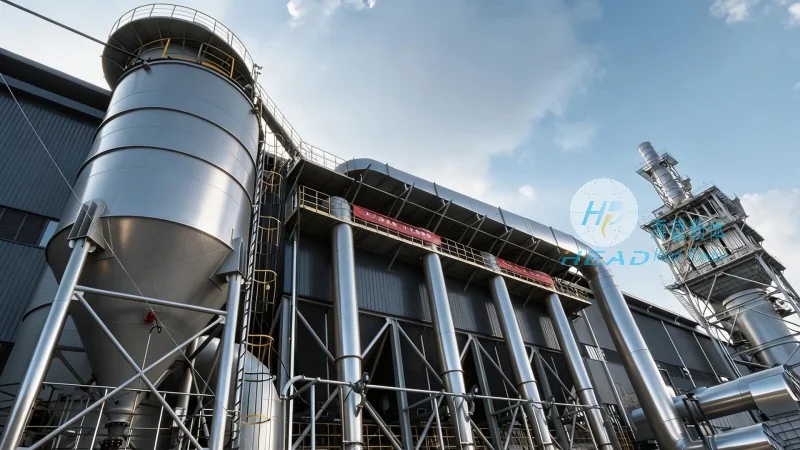
The efficient transportation of perlite requires specialized equipment and system design to maintain the material's integrity and minimize degradation. Shandong HeadPowder Engineering Co., Ltd. employs advanced engineering principles to develop tailored conveying solutions. The system typically includes components such as hopper feeders, rotary valves, and pneumatic or mechanical conveyors. For bulk handling, screw conveyors or belt conveyors are often used, with considerations for the material's low density and tendency to flow freely. Pneumatic conveying systems are also utilized for long-distance transport, where air pressure is used to move the perlite through pipelines. The design process involves analyzing the material's flow characteristics, considering factors like angle of repose and cohesion, to select the most appropriate equipment and system configuration.
Process Flow and Equipment Integration
The conveying system process for perlite involves a sequential flow of operations to ensure smooth material transfer from storage to processing or packaging. The typical process flow includes: material storage in silos or bulk bags, feeding via a hopper and rotary valve to control the flow rate, transport through a conveyor system (either mechanical or pneumatic), and final discharge into processing equipment or packaging units. Each step is optimized to minimize material degradation, such as breakage or segregation, which can affect the final product quality. The integration of equipment is critical, as the performance of one component directly impacts the efficiency of the entire system. For example, the speed of the conveyor and the pressure in the pneumatic system must be carefully calibrated to maintain consistent material flow and prevent blockages.
Quality Assurance and System Performance
Shandong HeadPowder Engineering Co., Ltd. places a strong emphasis on quality assurance throughout the perlite conveying system process. Regular maintenance of equipment, such as cleaning of conveyor belts and pipelines to prevent material buildup, is essential for maintaining system efficiency. Additionally, monitoring parameters like flow rate, pressure, and temperature helps in identifying potential issues early, ensuring the system operates within optimal conditions. The goal is to achieve consistent material handling with minimal downtime, which is crucial for meeting production demands and maintaining product quality standards. By adhering to rigorous engineering practices and continuous monitoring, the company ensures that its conveying systems deliver reliable and efficient performance for perlite transportation.




