Metallurgical coke, a critical raw material in steel production, requires efficient and reliable material handling solutions to ensure smooth industrial operations. Pneumatic conveying technology offers an advanced method for transporting coke and other bulk materials, combining precision, safety, and adaptability. This article delves into the operation process and working principles of pneumatic conveying systems specifically designed for metallurgical coke, highlighting the key components, operational mechanisms, and practical applications.
Key Components of Pneumatic Conveying Systems
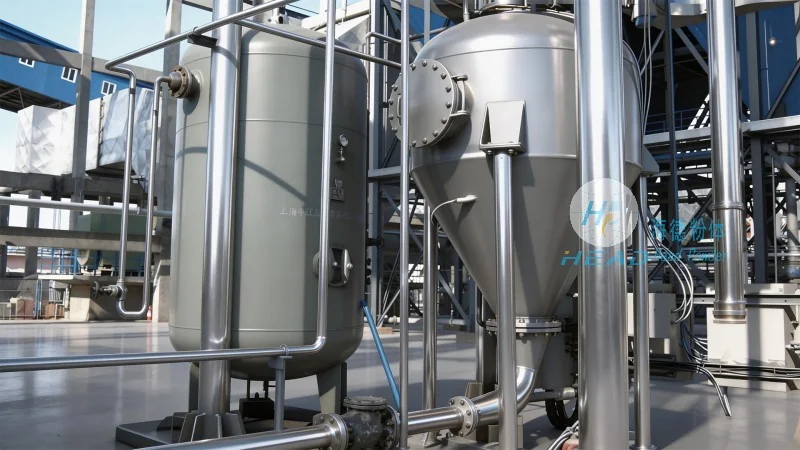
The pneumatic conveying system for metallurgical coke typically consists of several essential components that work in tandem to achieve effective material transport. These components include a hopper or storage silo for material storage, a conveyor pipeline network, a blower or air compressor to generate the necessary air pressure, a control system for regulating airflow and pressure, and a discharge point or collection hopper at the receiving end. Each component plays a vital role in maintaining the system's efficiency and safety.
Working Principle of Pneumatic Conveying
The core of pneumatic conveying for metallurgical coke is the use of compressed air to move material particles through a pipeline. The process begins with material being fed from the storage hopper into the conveyor line. As the air compressor generates high-pressure air, it is introduced into the pipeline, creating a flow that propels the coke particles forward. The air velocity within the pipeline must be sufficient to overcome the gravitational force and frictional resistance of the material, ensuring stable and continuous transport. The system can operate in either positive pressure or negative pressure modes, with positive pressure being more common for metallurgical coke due to its ability to handle abrasive materials and prevent dust leakage.
Operation Process of the System
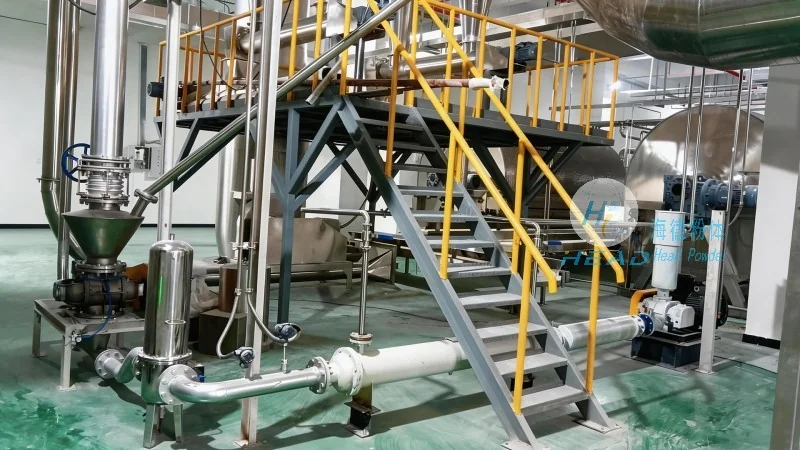
The operation process of a pneumatic conveying system for metallurgical coke involves several sequential steps to ensure optimal performance. First, the material is loaded into the storage hopper, where it is stored under controlled conditions to maintain quality. Next, the control system activates the air compressor, which starts generating the required air pressure. Simultaneously, the material feeder opens, allowing coke particles to enter the conveyor pipeline. As the air flows through the line, it carries the material to the discharge point, where it is collected in a receiving hopper. The control system continuously monitors pressure, airflow, and material flow rates, adjusting parameters as needed to maintain stable operation. This closed-loop control ensures that the system operates efficiently and safely, minimizing downtime and maximizing material throughput.
Advantages of Pneumatic Conveying for Metallurgical Coke
Pneumatic conveying systems offer numerous advantages when handling metallurgical coke, making them a preferred choice in industrial settings. These benefits include high material throughput, reduced labor costs due to automated operation, improved safety by minimizing manual handling of bulk materials, and the ability to transport materials over long distances without the need for complex machinery. Additionally, the system can handle abrasive materials like coke without significant wear and tear on components, thanks to the design of the conveyor pipeline and air compressor. The enclosed nature of the system also helps in controlling dust emissions, contributing to a cleaner and safer working environment.
Applications in Metallurgical Industry
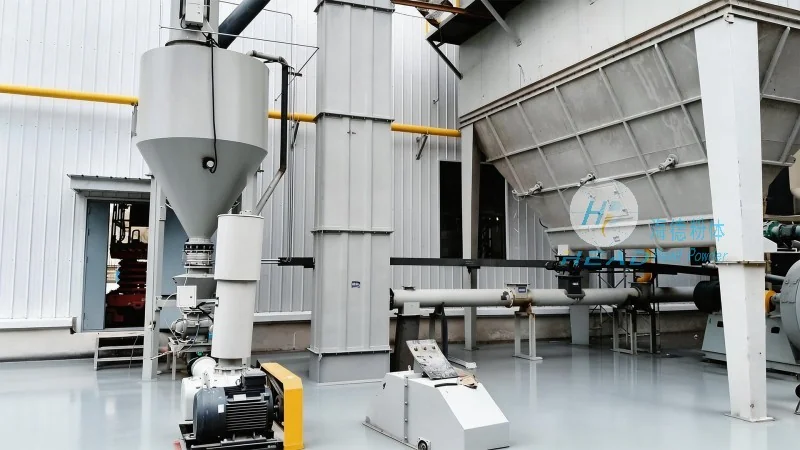
Pneumatic conveying systems are widely used in the metallurgical industry for various applications involving metallurgical coke. These include transporting coke from storage silos to blast furnaces, moving coke from processing units to storage areas, and conveying coke for quality control and sampling. The flexibility of pneumatic conveying allows it to adapt to different operational requirements, such as varying material flow rates and distances, making it suitable for both small-scale and large-scale industrial operations. By integrating with existing production lines, the system enhances overall operational efficiency and reduces the risk of material loss or contamination.
Conclusion and Company Information
Pneumatic conveying is a highly effective and reliable method for transporting metallurgical coke, offering significant benefits in terms of efficiency, safety, and cost-effectiveness. The operation process, which involves precise control of air pressure and material flow, ensures consistent performance and minimal downtime. As a leading provider in the field, Shandong HeadPowder Engineering Co., Ltd. specializes in designing and manufacturing advanced pneumatic conveying systems tailored to the specific needs of the metallurgical industry. With a focus on quality and innovation, HeadPowder delivers solutions that enhance material handling capabilities and support the smooth operation of steel production facilities. Based in Shandong, China, the company leverages its expertise to provide customized solutions that meet the evolving demands of industrial clients.




